
As an American citizen, have you ever pondered what the reasons could be to make any drug out of supplies in stores?
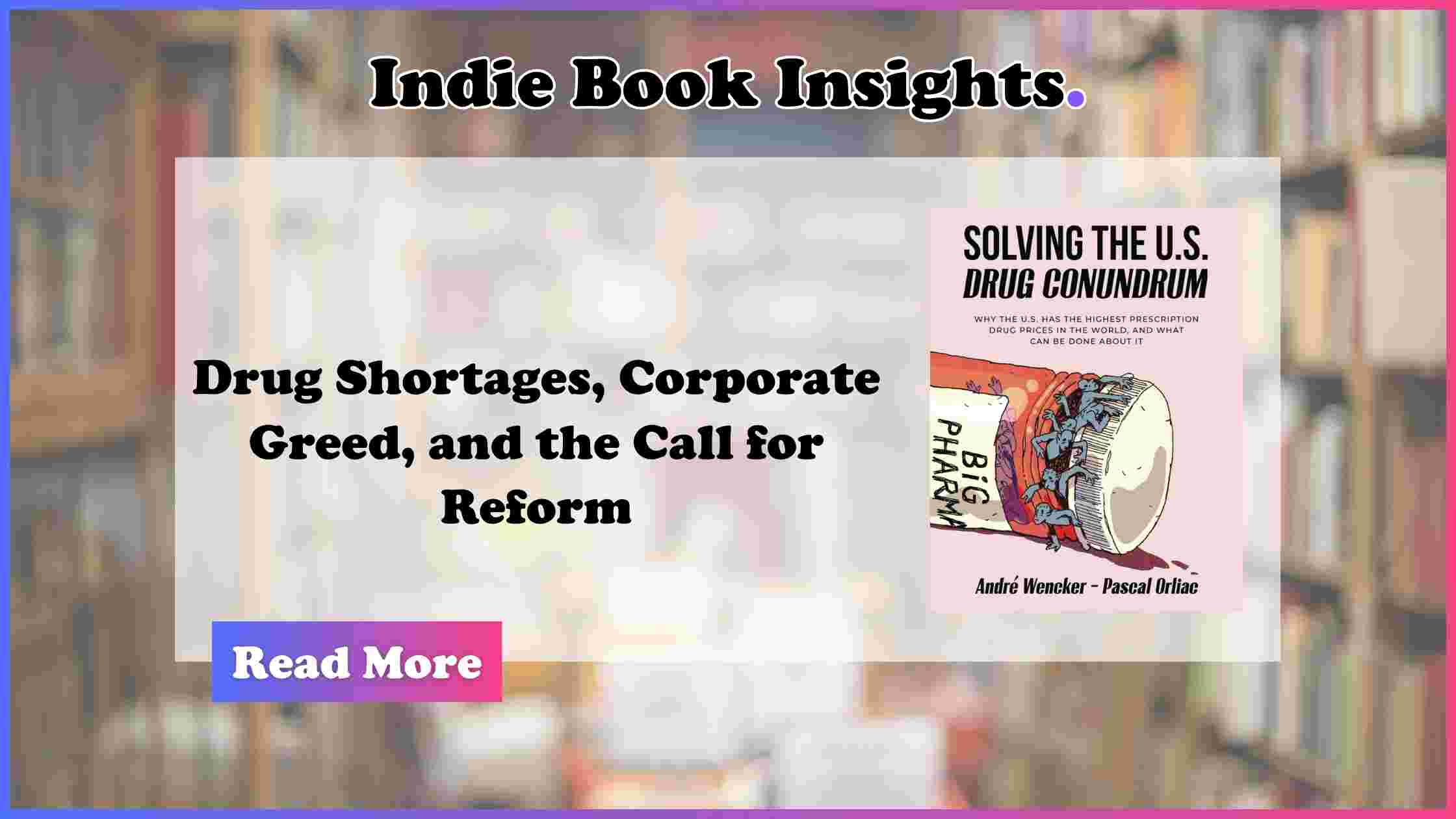
In Solving the US Drug Conundrum, co-authors André Wencker and Pascal Orliac turn the spotlight on a silent but deeply alarming consequence of modern pharmaceutical management—drug shortages. Beneath the headlines about drug pricing and patent abuse lies a less visible, yet equally life-threatening issue: essential medications are increasingly unavailable when patients need them most. This isn’t just a logistical failure; it’s a direct result of how Big Pharma operates in pursuit of profit.
The authors present a compelling analysis of how lean management principles, once celebrated for their efficiency, have backfired catastrophically in the healthcare sector. Lean operations promote minimal inventory and an intricate web of subcontractors, reducing storage costs and boosting profits. When applied to life-saving medicines, however, these practices become a dangerous liability. In the pharmaceutical world, “just-in-time” inventory becomes “just-too-late.”
Compounding this issue is globalization. With raw materials and manufacturing spread across multiple continents, any disruption—political, environmental, or logistical—can trigger a domino effect. Drug production becomes vulnerable, inflexible, and increasingly difficult to coordinate. This global fragility is a byproduct of the industry’s obsession with maximizing shareholder returns rather than patient safety.
The book cites an alarming figure: in Q1 of 2023, 301 basic hospital drugs were reported to be in short supply across the United States. This isn’t about obscure or rare medicines—it includes standard injectables and critical-care drugs. The consequences are stark: delayed treatments, increased medical errors, and compromised patient outcomes. The American Hospital Association voiced its concerns in a July 2023 letter to Congress, warning of the growing danger posed by these shortages.
The crisis was exacerbated in July 2023 when a tornado destroyed a Pfizer storage center housing raw materials and finished products. By August, only 48% of Pfizer’s hospital injectables—just 249 out of 519—were available. This single natural disaster sent shockwaves through hospital supply chains, laying bare how dangerously dependent the system has become on centralized, fragile infrastructure.
Wencker and Orliac argue that these shortages are not a tragic accident, but a predictable consequence of how pharmaceutical corporations are structured. Their refusal to maintain sufficient inventory is not a logistical oversight—it’s a deliberate cost-cutting strategy. When paired with profit-first decision-making and monopolistic pricing tactics, it becomes clear: the system is designed to fail those who need it most.
So why isn’t this crisis being addressed more aggressively? The authors point to a familiar culprit—regulatory capture. Big Pharma, through lobbying and political influence, has shaped the very rules meant to regulate it. Lean management, aggressive offshoring, and tax incentives for minimal domestic production are not only tolerated—they’re embedded in policy.
Wencker and Orliac offer not just critique but solutions. They advocate for two core reforms that would dramatically shift the system:
A Constitutional Right to Healthcare – By recognizing healthcare as a legal right, states can prioritise patient well-being over corporate profits and ensure that access to essential drugs is non-negotiable.
Reference-Based Pricing (RBP) – Using international price benchmarks, such as those used in France or the UK, RBP would bring transparency and affordability to U.S. drug prices. Notably, this model could render PBMs obsolete, removing a major barrier to supply chain transparency and drug access.
In a time when the public is increasingly distrustful of pharmaceutical corporations and their motives, Solving the US Drug Conundrum offers not only a diagnosis of the disease but a treatment plan grounded in common sense and moral clarity.