
When the caravan site that housed my sailing school closed due to nearby oil rig development, I found myself at a crossroads. With no place to run the school, I sold off the boats and equipment and began searching for a proper cruising boat. My budget was limited, but after following up on a few leads, I came across a possible yacht for sale on the River Clyde near Glasgow.
She was called Ulva. A thirty-two-foot ex-racing vessel, heavy in the water and showing her age. She seeped water, the engine lacked power, and her deck leaked like a sieve. Yet she was solid, affordable, and something about her stirred that old itch inside me—the one whispering about distant coastlines and sleeping under the stars.
Sue and I rowed out to her in a tiny inflatable dinghy, rain falling steadily. We climbed aboard, soaked but smiling. That first night on Ulva was anything but glamorous. Rain dripped on our bunks, and the electric bilge pump switched on like clockwork every thirty minutes to deal with the leaks. We slept damp and cold, trying to keep our spirits dry with humour.
Lyf, the quiet voice in my head, wasn’t silent either. “You sure believe in doing things the hard way,” she said. “I know,” I replied. “But I believe in what this could be.”
We sailed Ulva down the Clyde and into the Caledonian Canal. The engine wheezed along at three knots, barely enough to keep us moving. A generous herring boat captain gave us a tow, speeding us through at nine knots with our nerves rattling all the way. In Inverness, we tied up for the winter while I patched what I could and attended night school to learn navigation. The dream was taking shape: sailing to Norway and seeing the apple blossoms in the Hardanger Fjord.
I spent the winter learning how to chart positions, use a sextant, and plot bearings. By spring, Ulva was patched, the engine barely passable, and our spirits more hopeful than prepared. We set off across the Moray Firth, dodged tides, and tried—unsuccessfully—to improve the motor by shaving down the oversized propeller. Eventually, I stripped the engine, cleaned years of carbon from the pistons, reground the valves, and got her running with new life.
And then we were off. Just the two of us, a compass heading, and a deep sense of “let’s see what happens.” It was May. Cold. Wet. Rough. We battled the North Sea for three days, taking shifts at the helm, eyes stinging from salt and wind. We navigated with beacons and bearings, hoping we wouldn’t miss the coast—or worse, find it too suddenly in the night.
When Norway finally emerged from the mist, it didn’t feel like victory. It felt like quiet relief. We had made it. Not gracefully, not easily, but with heart. The fjords were everything the postcard had promised—majestic, calm, ancient. In Hardanger, the apple blossoms bloomed exactly as I had pictured them.
We explored Norway for three months. The locals welcomed us. We helped them carry timber, joined their midsummer celebrations, and tied up to rocky shores with steel rings made just for passing sailors like us. It felt like we belonged to something. Not a country, but a way of living. A way of moving forward, even when everything says turn back.
I realize now that Ulva was never just a boat. She was a test that asked me: How far are you willing to go for something you’ve only seen in your mind? What will you risk for a moment of beauty?
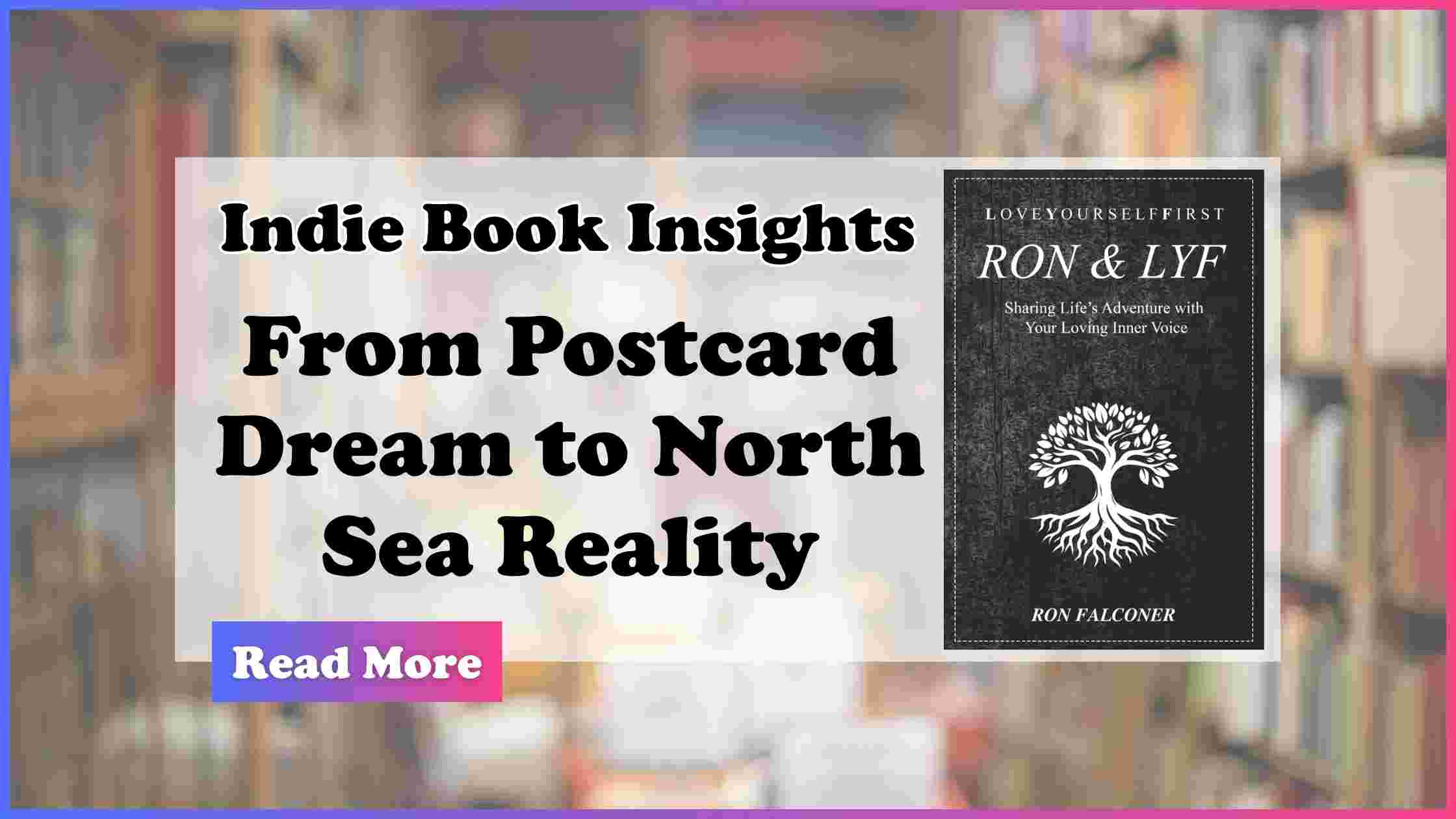
We had left behind Glasgow’s rain for the stunning fjord scenery of Norway. It taught me that dreams don’t have to be perfect; they simply need patience, a leaky deck, a bit of perseverance, and that inner voice that encourages us to “Keep going.For the full story of this voyage and others like it, I invite you to read my memoir, Ron & Lyf. It’s filled with quiet adventures, hard-earned lessons, and the kind of company that speaks when no one else is around.
Head to Amazon to purcahse your copy: https://www.amazon.com/dp/1968966285.