
The virgin birth stands as one of the most distinctive elements in the story of Jesus. For many, it is a cornerstone of belief. For others, it raises questions that have never been fully addressed. The issue is not simply whether it happened, but whether it was necessary for the narrative and its meaning.
The idea of a miraculous conception sets Jesus apart from ordinary human experience. It signals that his life carries a unique significance. Within traditional belief, this event establishes divine involvement from the very beginning. It becomes a marker of identity, reinforcing the claim that his role is not merely human but divinely appointed.
Yet when the narrative is examined closely, the necessity of this event is not always clearly explained. The story presents the conception as a fact, but offers limited reasoning for why it had to occur in this way. This opens the door to a deeper question. Could the same purpose have been achieved through a different means?
Looking at earlier traditions, there are examples of extraordinary births that do not involve a departure from natural process. Figures are born under unusual circumstances, often after periods of barrenness or divine promise. In these cases, the emphasis is on timing and purpose rather than method. The birth is significant because of what the individual becomes, not how conception occurs.
This comparison raises an important point. If divine intention can be expressed through ordinary human birth, then the necessity of a virgin conception becomes less obvious. It suggests that the meaning of the story may lie more in interpretation than in requirement.
Another aspect to consider is how the concept developed. The idea of a virgin birth is not equally emphasized across all accounts. Some narratives present it clearly, while others focus on different elements of the story. This variation suggests that the concept may have gained prominence over time as part of a broader effort to define identity and belief.
There is also the question of symbolism. A virgin birth can be understood as a statement about purity, origin, and divine intervention. In this sense, it functions not only as an event but as a message. It communicates that something extraordinary is taking place. Whether taken literally or symbolically, its role is to highlight significance.
The role of Joseph further complicates the discussion. His position within the narrative suggests a connection to lineage and continuity, yet the concept of a virgin birth introduces a tension between biological and legal identity. This tension has been addressed in different ways, but it remains a point of debate.
Ultimately, the question of fundamental needs depends on perspective. From within tradition, the virgin birth reinforces key aspects of belief. From a critical standpoint, it appears as one possible way of expressing significance rather than the only way.
The discussion is not about diminishing the story, but about understanding its structure. It is about asking why certain elements are included and what role they play in shaping meaning.
In exploring this question, it becomes clear that the narrative is layered. It carries both historical claims and interpretive meaning. The challenge lies in distinguishing between what is presented as essential and what may have been shaped over time.
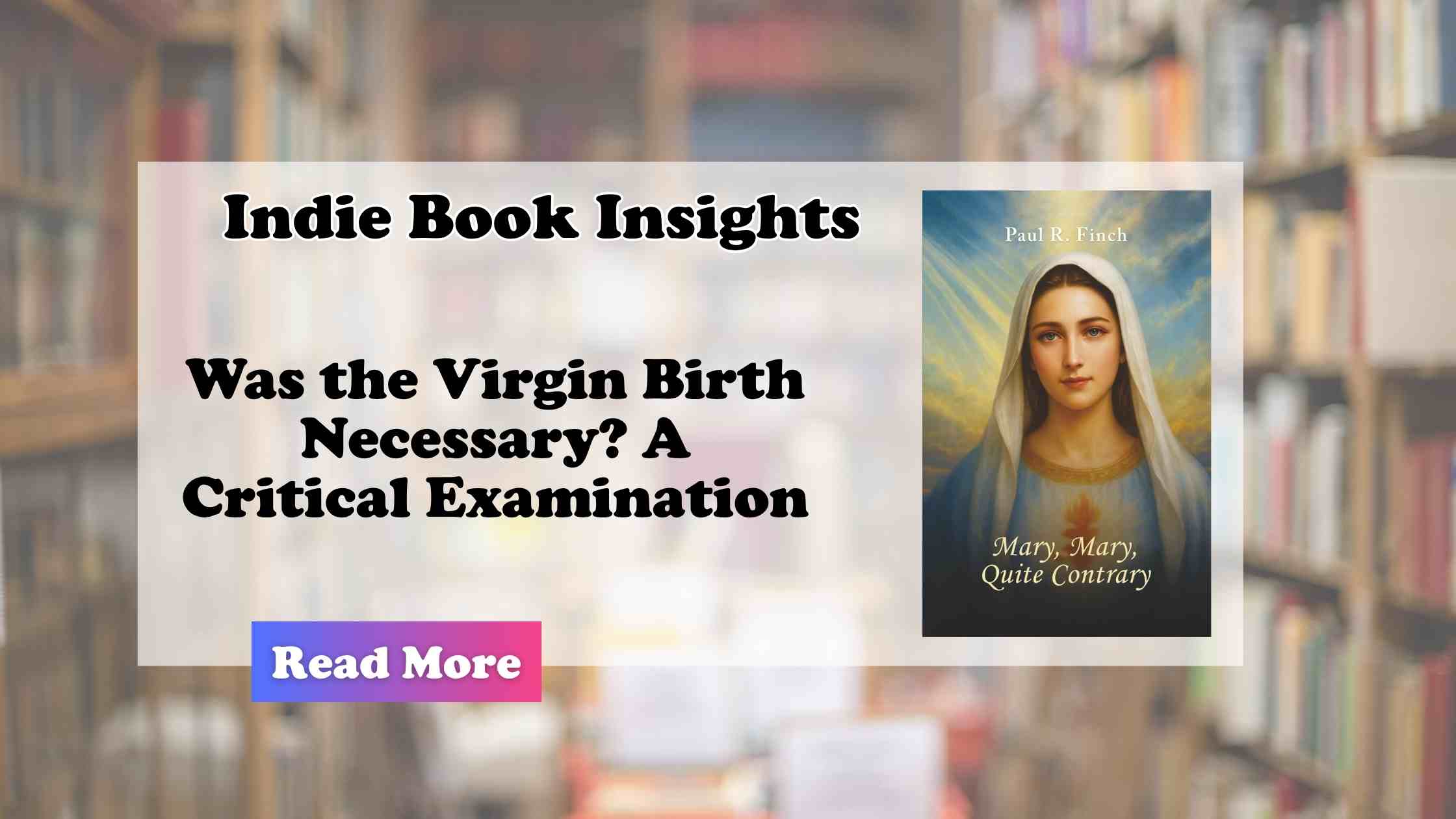
Mary, Mary, Quite Contrary: New Insights into the Mother of Jesus by Paul R. Finch invites readers to explore questions like this with depth and clarity. By bringing together multiple perspectives and examining overlooked details, the book offers a thoughtful and engaging look at one of the most debated elements of the story of Jesus.
Get Your Copy On Amazon: https://www.amazon.com/dp/1971002372/