

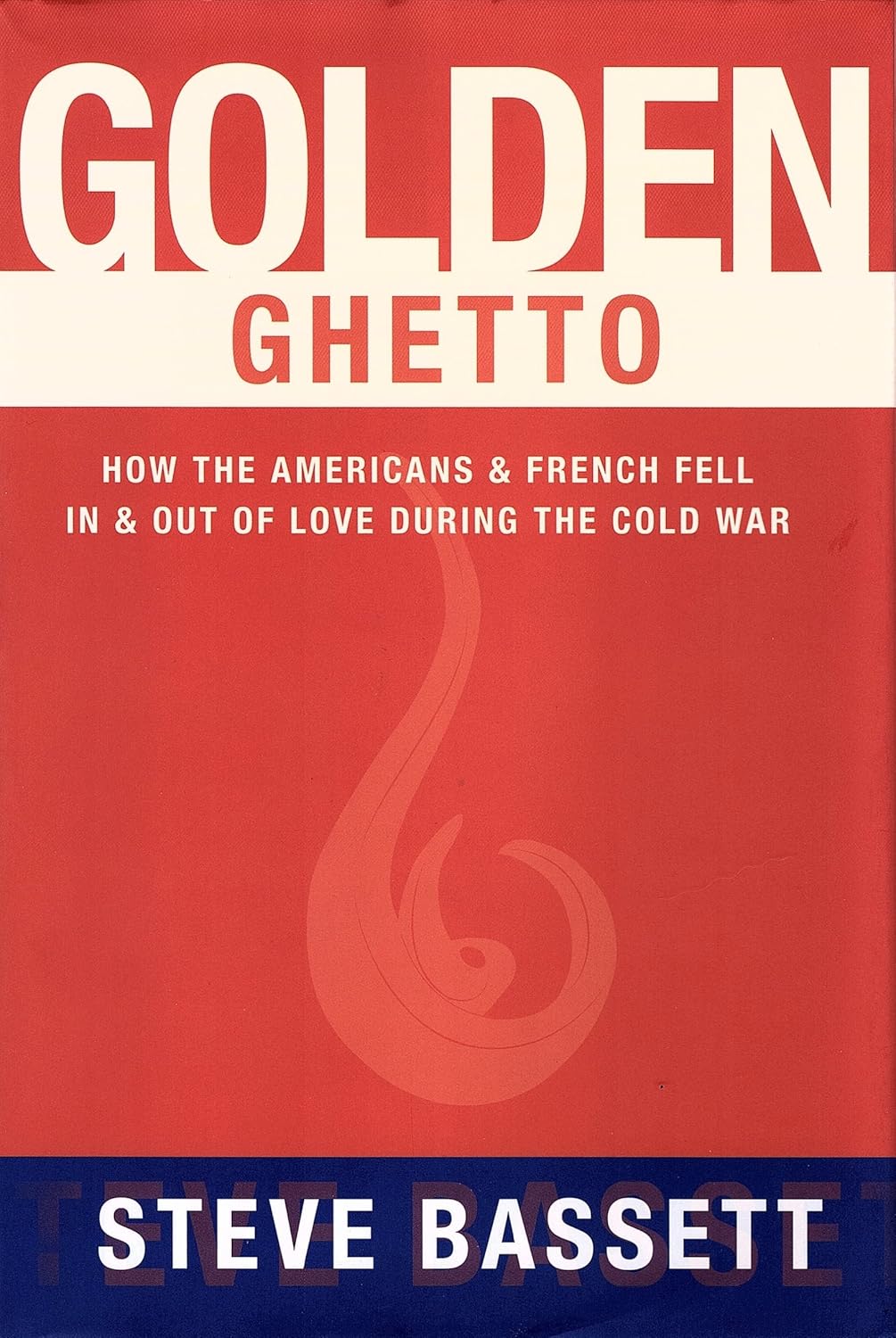
Have you ever imagined what have been the experiences of French and American locals in the cold war? In the small, tranquil Berry region of Central France, an extraordinary story unfolded during the Cold War. Steve Bassett’s non-fiction novel, “Golden Ghetto”, has the tendency to capture the transformation brought about by the Déols-Châteauroux Air Station (CHAS). This U.S. Air Force base was not just a strategic military post; it became the epicenter of cultural exchange and deep human connection.
A Clash of Cultures
When American military personnel first arrived in the region, their presence was met with skepticism. The French, still recovering from the war, viewed the Americans as an occupying force. Suspicion and jealousy were inevitable, as the Americans represented both opportunity and intrusion. The initial distrust was fueled by Cold War paranoia, with Communist influences further heightening tensions.
However, as Bassett explains through meticulously gathered accounts, these barriers began to erode over time. The Americans, with their warm smiles, openness, and generosity, began to win over the locals. The base became a meeting point for two cultures that initially seemed worlds apart.
Economic and Social Impact
The CHAS did not just bring soldiers; it brought an economic boom to the region. Local businesses thrived as they catered to the needs of the Americans. The base provided jobs, introduced new goods, and created a bustling atmosphere in a previously quiet part of France.
More importantly, it became a stage for social exchange. The Americans introduced their way of life, from jazz music to fast food, while the French shared their rich culinary traditions and cultural heritage. These interactions led to mutual admiration and respect, proving that even amid political tension, people can find common ground.
Personal Stories That Bridge the Divide
The strength of Golden Ghetto lies in its personal stories. Through interviews with former American servicemen and French locals, Bassett captures the essence of this unique period. Readers are transported to a time when American children played in French villages, and local farmers delivered fresh produce to the base.
One memorable story involves a French boy who learned English by befriending American servicemen, eventually using his language skills to pursue opportunities abroad. Another tale recounts how an American officer fell in love with a French baker’s daughter, their romance symbolizing the cultural blending that defined this era.
The End of the “Golden Ghetto”
The closure of CHAS in 1967 marked the end of an extraordinary era. When Charles de Gaulle ordered the removal of NATO forces from French soil, the Berry region lost more than just an airbase; it lost a vibrant cultural exchange that had brought joy, prosperity, and understanding. However, the legacy of those years continues to live on in the memories of those who experienced it.
Why You Should Read This Book
Steve Bassett’s Golden Ghetto is a deeply human story set against the backdrop of Cold War politics. It offers a rare look at the lives of ordinary people navigating extraordinary circumstances. Readers will gain insight into how mutual respect and shared experiences can overcome even the most entrenched divisions. Whether you’re a history enthusiast or simply curious about the power of cultural exchange, this book is a must-read. It reminds us that, in the end, it is our connections with one another that shape the course of history.
Additionally, if you are an enthusiast who is into the history of cultural studies through audio, you can grab this masterpiece, “Golden Ghetto,” as an audiobook.