While World War II brought widespread displacement and separation, it also inspired remarkable efforts to maintain connections and camaraderie.
In the days before instant communication, people relied on traditional mediums like letters, creativity, and communal relationships to overcome wartime obstacles. Kevin Parker’s The Tides of Love and War beautifully depicts this through the story of Sam and Christine, whose love endured despite the physical and mental distances imposed by the conflict.
For soldiers like Sam, these letters were lifelines, carrying messages of love and hope from home that offered glimpses of life in the Women’s Land Army, anecdotes about village dances, and reassurances about her safety. Though heavily censored and often delayed, these letters amid the war provided comfort and a sense of normalcy amid the chaos of war.
Postal services played a crucial role. Despite bombings and blockades, letters managed to traverse continents, carrying the weight of emotions between separated families and loved ones. For Sam and Christine, every letter was a precious reminder of their bond, keeping their love alive even when the odds seemed insurmountable.
The community also became a vital source of connection. For those on the home front, their shared experiences fostered solidarity. For example, people found comfort in neighbors and coworkers who understood their fears and challenges. Women like Christine, working in the Land Army, formed bonds with fellow Land Girls. This created a support system that eased the loneliness of being far from home.
To feel more connected, families exchanged small tokens such as photographs, keepsakes, or mementos. Some soldiers carried lucky charms or cherished items from loved ones into battle, drawing strength from these physical connections. Songs, poems, and stories were also shared, and radios provided news and entertainment, creating a shared experience for both families and soldiers. Music and wartime broadcasts also became a source of comfort, uniting listeners through a sense of collective resilience.
Religious faith and spiritual practices also helped many maintain a sense of connection, as churches and community gatherings provided spaces for people to pray for loved ones and find solace and also provided emotional support during difficult times.
In light of this, Parker’s The Tides of Love and War emphasizes the critical importance of these connections. Be it Sam’s letters to Christine, filled with love and longing, become a testament to the power of human resilience, or Christine’s determination to support the war effort while keeping Sam in her thoughts, these aspects of war reflect the strength required to endure separation.
While World War II may have created physical distances, the efforts people made to stay connected reveal the depth of their bonds and determination to stay hopeful, which “The Tides of Love and War” beautifully illustrates.
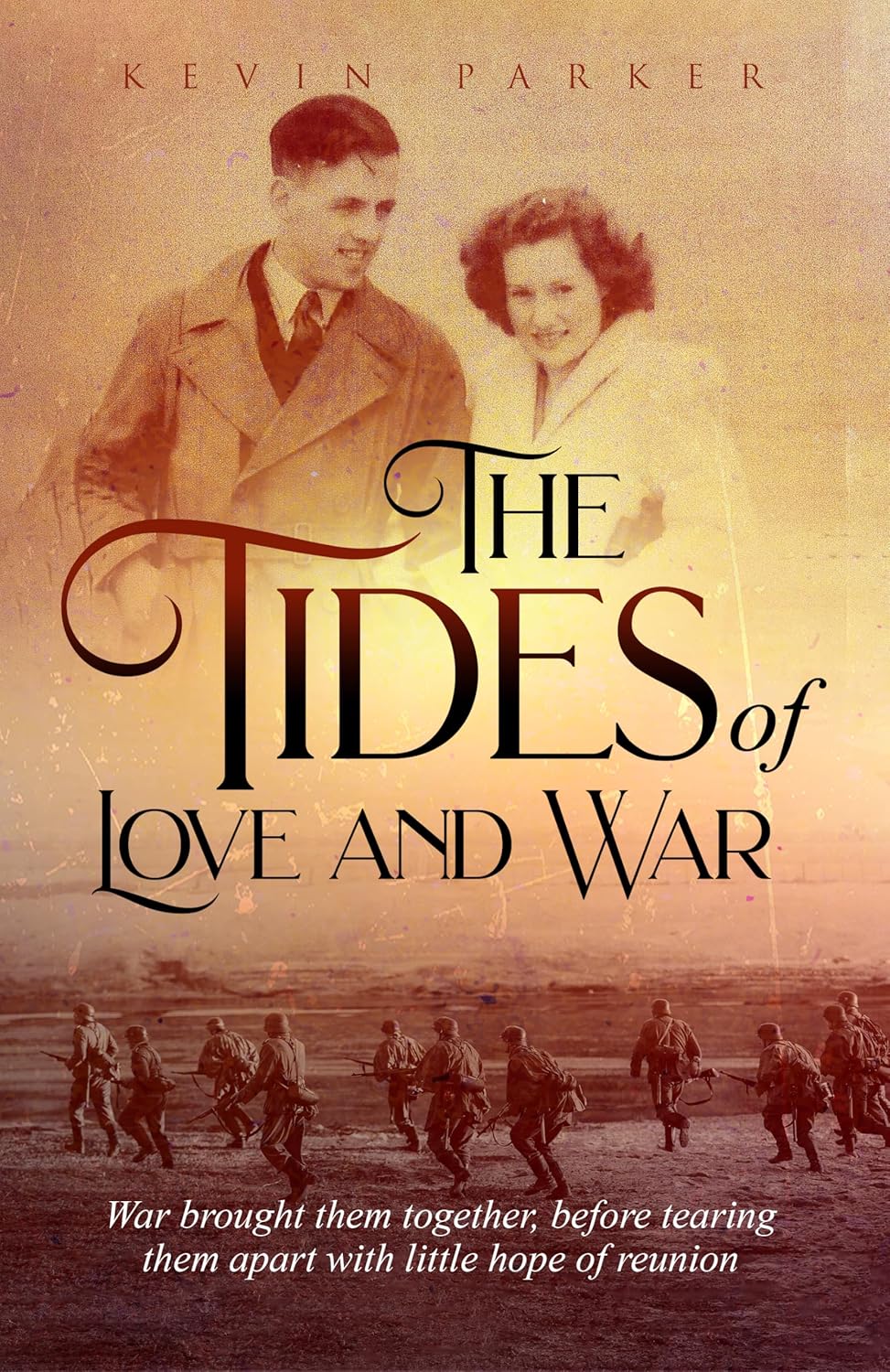
“The Tides of Love and War” explores love’s resilience amidst World War II’s chaos. The story follows Sam Blackstone, a country boy turned soldier, and Christine, a courageous Londoner working with the Women’s Land Army. Fate brings them together, creating an unlikely bond that blossoms into love. But just as quickly, war tears them apart, leaving their connection tested by separation, danger, and the harsh realities of global conflict.
As Sam navigates life on the frontlines in North Africa, Sicily, and Italy, Christine faces her battles on the home front, learning to farm, adapting to rural life, and enduring the terror of German bombing raids. Parker captures their journey of hope and survival through vivid prose and heartfelt letters exchanged across continents. The Tides of Love and War is a compelling tribute to the strength of the human spirit, exploring themes of courage, sacrifice, and the enduring power of love — amidst the horror of war. Get your copy on Amazon: www.amazon.com/dp/1917613105/.