When most people think of workplace exposure, they imagine chemicals, noise, or physical hazards. Rarely do they think about algorithms. Yet artificial intelligence is quietly creating new forms of exposure that influence how work is performed and how workers experience their jobs. These exposures are real, measurable, and increasingly widespread.
Algorithmic exposure occurs when AI systems shape work demands, decision speed, or behavioral expectations. Examples include automated task assignment, real-time performance scoring, and predictive scheduling tools.
In fact, a 2023 study published in Nature Human Behaviour found that algorithmically managed workers reported significantly higher levels of cognitive strain compared to traditionally managed peers. These effects mirror known occupational stressors, yet they are rarely treated as such.
AI systems often operate continuously, delivering instructions, alerts, and evaluations without pause. This constant interaction increases vigilance demands and reduces recovery time. Over time, workers may experience fatigue, anxiety, and reduced job control.
The American Psychological Association reports that perceived loss of autonomy is a major contributor to workplace burnout. AI driven management, when poorly designed, amplifies this risk by replacing human judgment with opaque logic.
AI relies on data, often collected through cameras, wearables, or software monitoring. While such smart and intelligent tools can improve safety, they also introduce privacy and trust concerns.
According to a Pew Research Center survey, over 60 percent of workers expressed discomfort with continuous digital monitoring. When monitoring systems lack transparency, they create stress responses similar to those caused by physical surveillance.
In short, we can say that AI does not eliminate physical risk. In some cases, it redistributes it. For example, efficiency-driven scheduling may compress workloads, increasing repetitive motion or heat exposure. AI exposures often interact with physical conditions, creating compounded risk.
Why These Exposures Are Often Missed?
Many organizations view AI as an administrative or information technology issue rather than a safety concern. As a result, algorithmic exposures are not inventoried, measured, or controlled.
ArtificIonomics reframes these risks using familiar tools. Task analysis, exposure assessment, and workload measurement can all be applied to AI driven environments.
We cannot manage what we do not measure. Even though AI is opening up new avenues for exposure, it should be treated with the same consideration as any other occupational hazard because, despite advancements in technology, there is always a chance that it will malfunction. Therefore, the first step in creating safer, healthier workplaces where technology helps people rather than overwhelms them is identifying algorithmic exposure.
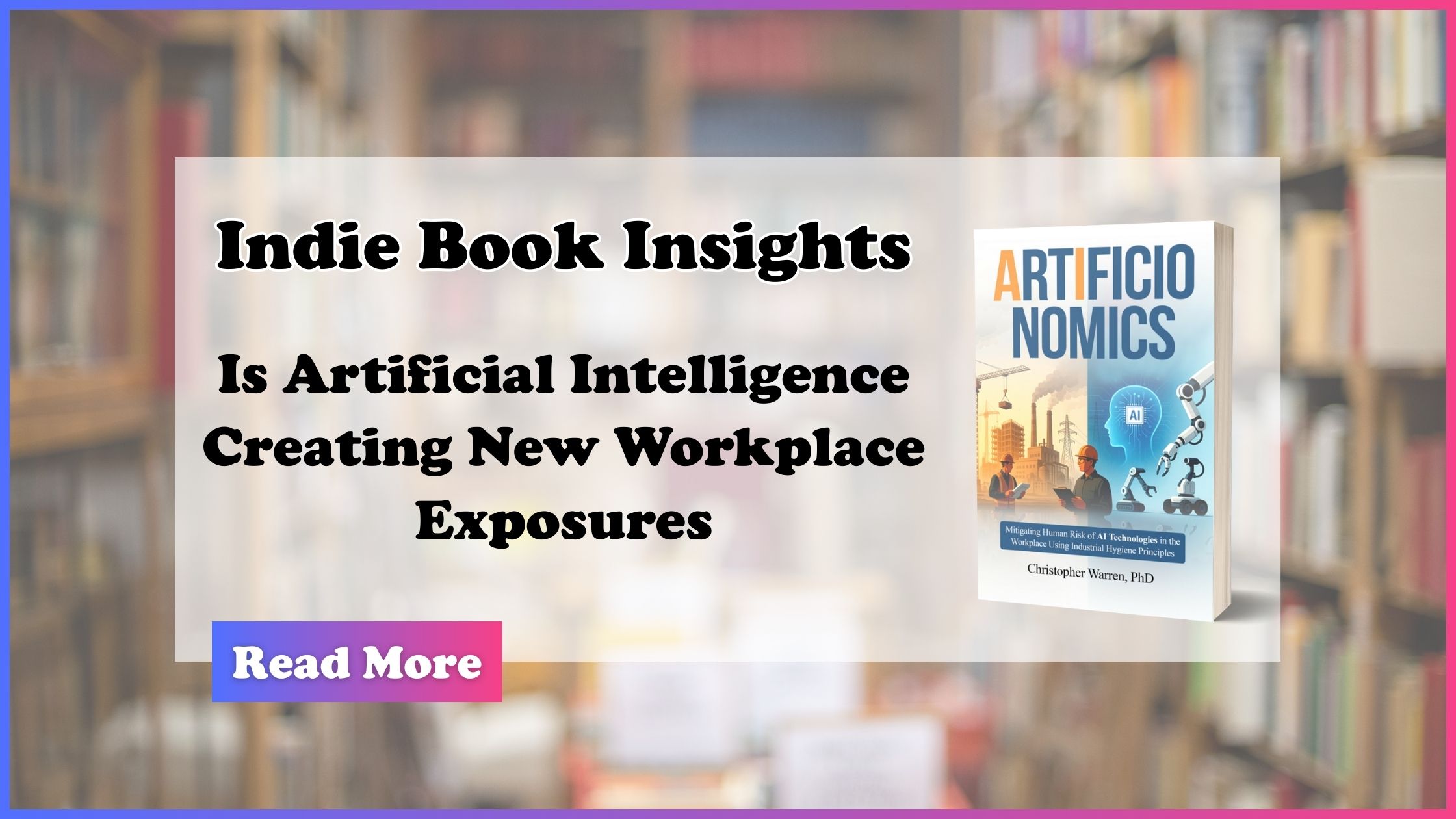
These questions and challenges are explored in depth in Artificionomics: Mitigating Human Risk of AI Technologies In The Workplace Using Industrial Hygiene Principles. The book introduces a practical framework for managing artificial intelligence as a workplace exposure, applying proven industrial hygiene and safety principles to algorithmic systems that influence physical risk, cognitive load, and worker well-being.
Through real world examples, regulatory insight, and actionable tools, ArtificIonomics equips safety professionals, leaders, and organizations to integrate AI responsibly while protecting the people at the center of work.
For more details visit our website: https://artificionomics.com