
Conversations about gangs, drugs, and risky behavior are often difficult to start and even harder to maintain. Teenagers may shut down, deflect, or respond with defensiveness when approached directly. The more serious the topic, the more resistance it can create. This is where fiction becomes a powerful tool. It opens the door to discussion without placing the spotlight directly on the individual.
Stories create distance. Instead of asking a teenager to explain their own thoughts or experiences, fiction invites them to explore someone else’s. This shift lowers defenses. It allows difficult subjects to be examined through characters, situations, and consequences that feel real but are not personally threatening.
When a story is grounded in authenticity, it reflects the emotional and social realities that teens face every day. Issues like peer pressure, identity confusion, family conflict, and the lure of belonging are not abstract ideas. They are lived experiences. Fiction captures these experiences in a way that feels immediate and relatable.
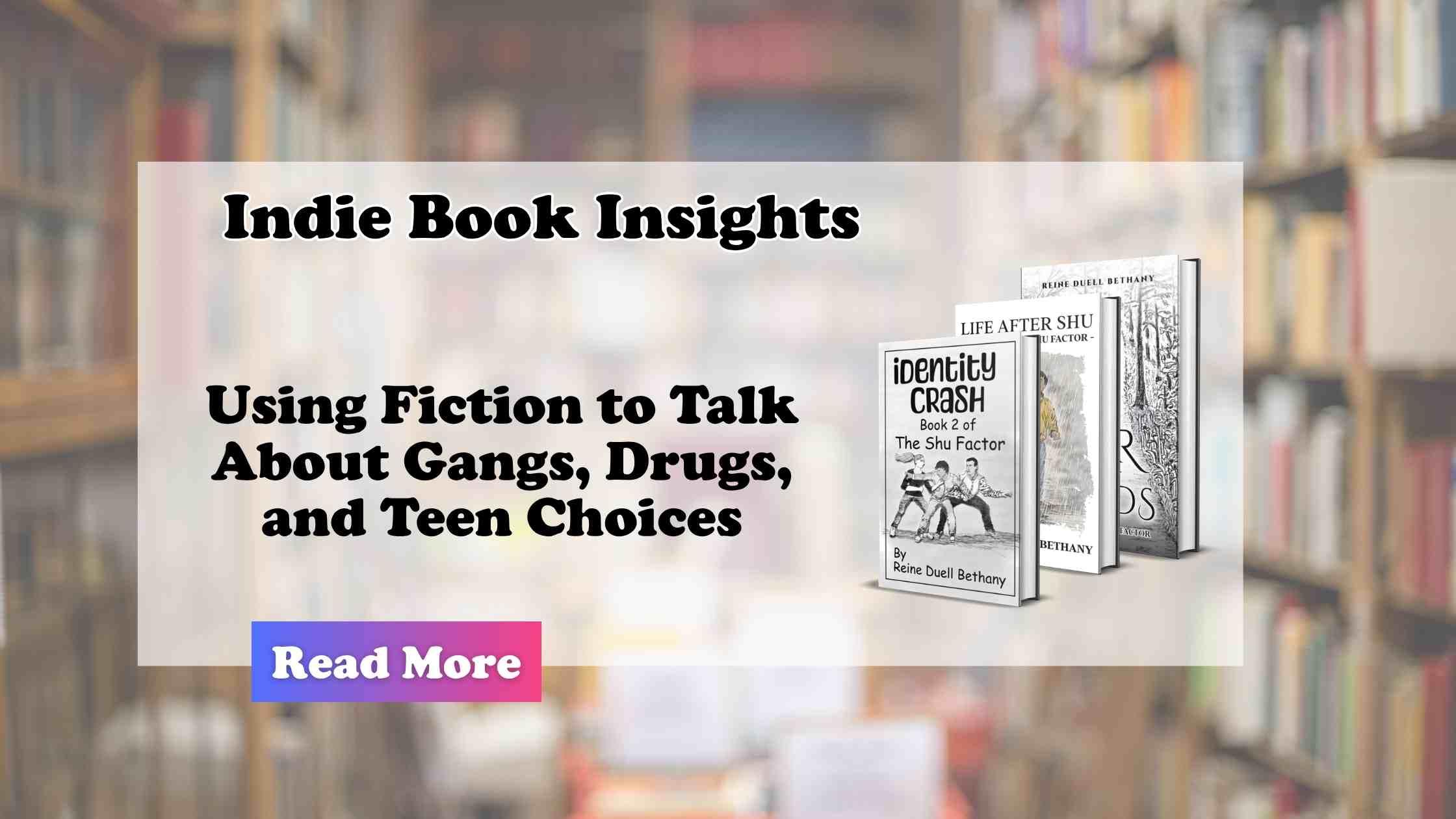
The Shu Factor trilogy by Reine Duell Bethany provides a strong example of how fiction can be used to explore these themes. Through characters navigating gang influence, drug exposure, and personal conflict, the series presents situations that mirror real life challenges. It does not simplify these issues or present easy solutions. Instead, it shows the complexity behind each choice.
One of the most effective aspects of using fiction in these conversations is the ability to ask questions indirectly. Rather than asking, “Why would someone join a gang?” a reader can be asked, “Why do you think this character made that decision?” This subtle shift encourages critical thinking without triggering defensiveness. Teens are more willing to engage when they feel they are analyzing a story rather than being judged.
Fiction also highlights consequences in a way that feels organic. Characters face the results of their actions over time. Relationships are affected. Trust is broken or rebuilt. Opportunities are lost or regained. These outcomes are not presented as lectures. They are woven into the narrative, allowing readers to witness cause and effect without feeling instructed.
In The Shu Factor trilogy by Reine Duell Bethany, the presence of Shu introduces another dimension to these discussions. He represents an alternative path that challenges destructive choices without dismissing the struggles behind them. His interactions with others create moments where characters are forced to confront themselves. These moments can serve as starting points for meaningful dialogue.
Another advantage of fiction is its ability to address emotional undercurrents. Many risky behaviors stem from feelings such as anger, isolation, fear, or the need for validation. These emotions are often difficult to express directly. Through storytelling, they become visible. Readers can recognize them in characters and begin to understand their influence on behavior.
For parents, educators, and mentors, using fiction as a discussion tool requires a shift in approach. The goal is not to teach a lesson immediately. It is to create space for conversation. Open ended questions, active listening, and patience are essential. The story becomes a shared reference point, making it easier to return to the topic over time.
It is also important to allow teens to form their own interpretations. Fiction works best when it encourages thought rather than dictates conclusions. A teenager who arrives at their own understanding is more likely to internalize it than one who is told what to think.
Stories like The Shu Factor trilogy by Reine Duell Bethany offer more than entertainment. They provide a framework for exploring difficult realities in a way that feels accessible and engaging. By stepping into the lives of characters, readers can examine choices, consequences, and possibilities from a safe distance.
In the end, fiction does not replace real conversation. It strengthens it. It gives both sides a language to discuss what is often left unsaid. Through story, difficult topics become approachable, and meaningful dialogue becomes possible.
Stay Tuned. This Book Will Shortly Be Available On Amazon!