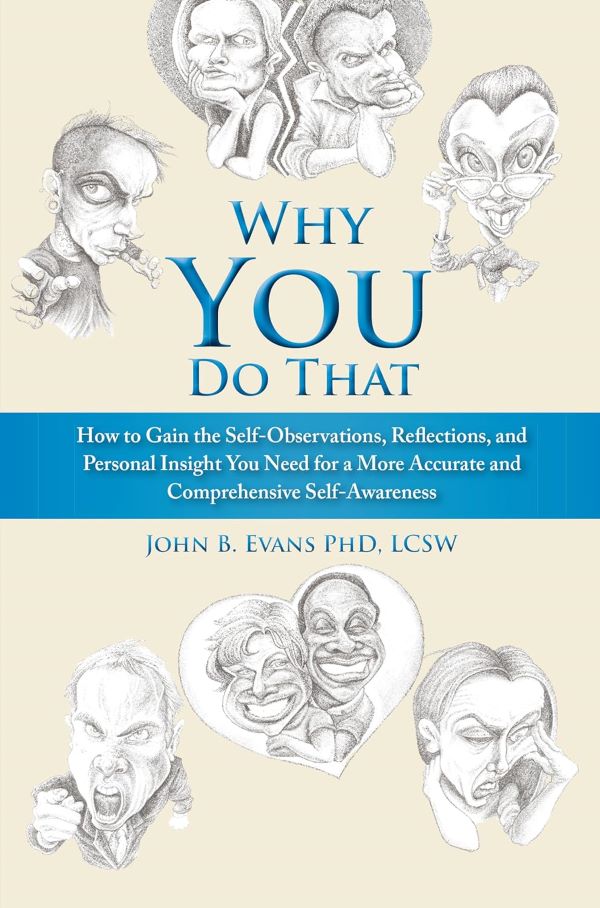
Abuse, whether experienced as a survivor or perpetrated, often creates a devastating cycle that can perpetuate harm across generations. Therapy plays a crucial role in addressing these cycles, offering survivors and perpetrators alike the opportunity to understand, heal, and change. Drawing insights from John B. Evans PhD, LCSW’s WHY YOU DO THAT: How to Gain the Self–Observations, Reflections, and Personal Insight You Need for a More Accurate and Comprehensive Self–Awareness, this article explores how professional help is essential in breaking the cycle of abuse and fostering lasting change.
Understanding the Cycle of Abuse
The cycle of abuse often involves a pattern of behavior where individuals who have been abused may either perpetuate abusive behavior or suffer long-lasting effects from their experiences. This cycle can include:
- Tension Building: An escalating phase where minor conflicts or stressors contribute to growing tension.
- Incident: The occurrence of abuse, whether physical, emotional, or psychological.
- Reconciliation: The abuser may apologize or promise change, leading to a temporary calm.
- Calm: A period of apparent peace, which eventually gives way to the cycle starting anew.
Breaking this cycle requires a deep understanding of its dynamics and a commitment to change, which therapy can help facilitate.
Therapy for Survivors of Abuse
For survivors, therapy provides a safe space to process their experiences, gain insights, and develop strategies for healing. Key therapeutic benefits include:
- Processing Trauma: Survivors often carry unresolved trauma from their experiences. Therapy, including approaches like Cognitive Behavioral Therapy (CBT) and Trauma-Informed Care, helps individuals process these traumatic events, understand their impact, and work through the associated emotions.
- Building Self-Awareness: Evans’s book emphasizes the role of self-awareness in understanding how past abuse affects present behavior and relationships. Therapy helps survivors gain insights into their emotional responses and behavioral patterns, enabling them to break free from the influence of past abuse.
- Developing Coping Skills: Therapy equips survivors with coping strategies to manage symptoms of trauma, such as anxiety, depression, or PTSD. Skills such as mindfulness, stress management, and emotional regulation can aid in achieving stability and well-being.
- Fostering Healthy Relationships: Survivors may struggle with trust and intimacy due to their experiences. Therapy helps individuals work on building healthy relationships by addressing trust issues, improving communication skills, and setting appropriate boundaries.
- Enhancing Self-Esteem: Abuse often undermines self-esteem. Therapy focuses on rebuilding a positive self-image and self-worth, helping survivors reclaim their sense of identity and confidence.
Therapy as a Pathway to Breaking the Cycle
- Creating Safe Spaces: Therapy provides a non-judgmental, supportive environment where both survivors and perpetrators can explore their experiences and behaviors. This safe space is crucial for honest self-reflection and meaningful change.
- Building Support Networks: Therapy often involves creating a network of support, including family members, friends, or support groups. These networks can provide additional layers of accountability and encouragement for individuals committed to breaking the cycle.
- Promoting Personal Growth: Through self-awareness and reflection, therapy encourages personal growth and development. Evans’s emphasis on self-observation helps individuals understand and address the factors that contribute to abusive behavior or the effects of being abused.
- Encouraging Lasting Change: Therapy focuses on long-term solutions and sustainable change. By addressing the root causes of abusive behavior and providing tools for healthy living, therapy helps individuals create lasting positive change in their lives and relationships.
Therapy plays a pivotal role in breaking the cycle of abuse, offering survivors and perpetrators the tools and support needed to heal and change. John B. Evans PhD, LCSW’s WHY YOU DO THAT provides valuable insights into the importance of self-awareness in this process. For survivors, therapy helps in processing trauma, building self-esteem, and fostering healthy relationships. For perpetrators, therapy offers a path to understanding and changing harmful behaviors, developing empathy, and addressing underlying issues. By embracing therapy, individuals can break free from the cycle of abuse and work towards healthier, more fulfilling lives.