
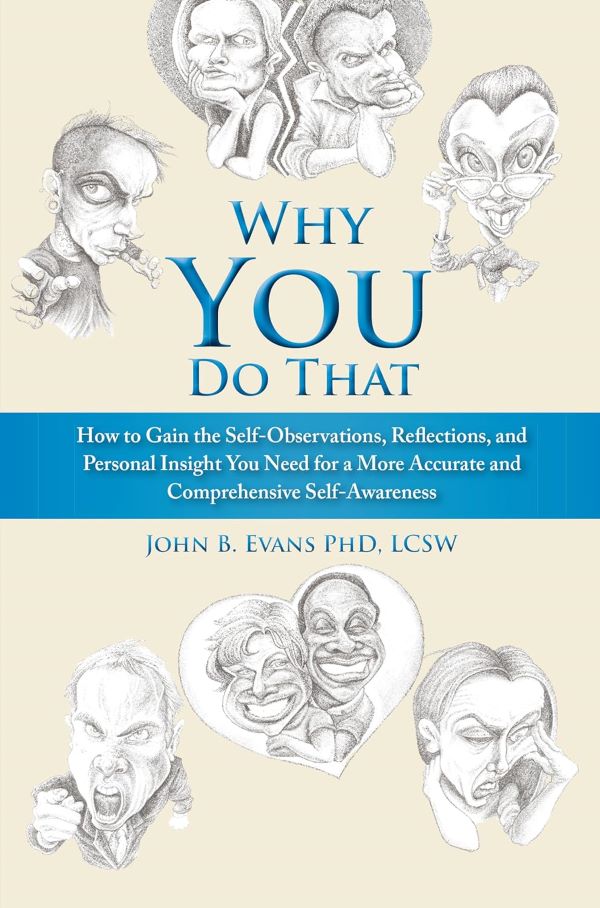
Emotional manipulation is a subtle yet powerful tactic used by abusers to control and dominate their partners. It often involves sophisticated psychological strategies designed to undermine an individual’s self-esteem, self-awareness, and sense of reality. John B. Evans PhD, LCSW’s book WHY YOU DO THAT: How to Gain the Self–Observations, Reflections, and Personal Insight You Need for a More Accurate and Comprehensive Self–Awareness provides valuable insights into understanding and addressing these manipulative behaviors. This article explores how to recognize emotional manipulation in relationships and offers strategies for addressing and countering these tactics.
Understanding Emotional Manipulation
Emotional manipulation involves behaviors and tactics used by one partner to gain power and control over the other. Manipulators often exploit vulnerabilities, sow doubt, and erode self-confidence. Some common manipulation tactics include:
- Gaslighting: This involves making someone doubt their own perceptions, memories, or sanity. The manipulator might deny past events or trivialize the victim’s feelings to create confusion and dependency.
- Guilt-Tripping: Manipulators use guilt as a weapon to control their partners. They might blame their partner for things beyond their control or exaggerate their own suffering to evoke sympathy and compliance.
- Silent Treatment: Withholding communication or affection as a form of punishment. This tactic is used to exert control and force the partner to seek reconciliation on the manipulator’s terms.
- Victim Playing: Manipulators often portray themselves as victims to deflect blame and elicit sympathy. By presenting themselves as the one who is wronged, they avoid accountability and manipulate their partner into feeling responsible.
- Isolation: Manipulators may attempt to isolate their partner from friends and family to increase dependency and control. They might criticize or undermine relationships to make their partner more reliant on them for support and validation.
- Love Bombing: This involves overwhelming a partner with affection and attention at the beginning of a relationship to gain their trust and compliance. Once the partner is emotionally invested, the manipulator’s control tactics become more pronounced.
Recognizing the Signs of Emotional Manipulation
To effectively address emotional manipulation, it is crucial to recognize its signs. Evans’s book emphasizes the importance of self-awareness and reflection in identifying these behaviors. Key signs include:
- Constant Doubt: If you frequently question your own perceptions or feel confused about your own experiences due to your partner’s comments or behavior, you may be experiencing gaslighting.
- Feeling Overwhelmed by Guilt: If you find yourself constantly apologizing or feeling guilty for things you didn’t do or can’t control, this may indicate guilt-tripping.
- Emotional Withdrawal: Notice if your partner frequently uses the silent treatment to punish you or manipulate your behavior. This can be a sign of emotional manipulation.
- Unwarranted Blame: If your partner consistently blames you for their problems or portrays themselves as a victim in every conflict, they may be employing victim playing to manipulate you.
- Isolation from Support Networks: Pay attention if your partner discourages or criticizes your relationships with friends and family, aiming to keep you isolated and dependent.
- Inconsistent Behavior: If you experience a cycle of intense affection followed by manipulation or control, this might be indicative of love bombing followed by control tactics.
Emotional manipulation is a harmful tactic that can profoundly affect an individual’s well-being and sense of reality. Recognizing the signs of manipulation and addressing them with self-awareness and assertiveness is crucial for maintaining a healthy relationship. John B. Evans PhD, LCSW’s WHY YOU DO THAT provides valuable insights into the importance of self-observation and reflection in understanding and countering emotional manipulation. By enhancing self-awareness, setting boundaries, and seeking professional support, individuals can effectively address emotional manipulation and work towards healthier, more fulfilling relationships.