
Throughout history, friendship and collaboration have been vital to the development of the arts, sparking creativity and pushing boundaries. Whether in music, literature, or visual arts, these bonds allow artists to inspire and challenge each other, often achieving something far beyond what one individual could accomplish alone.
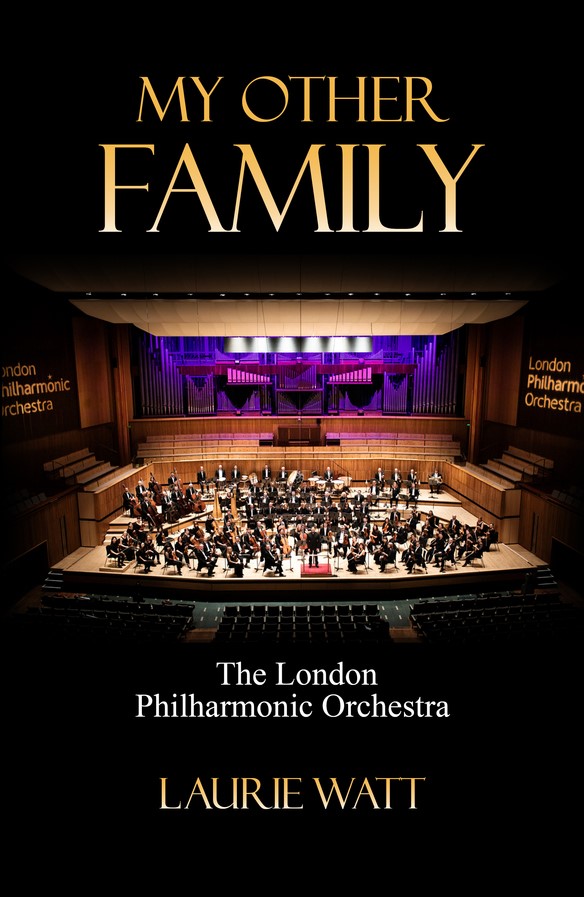
Laurie Watt’s memoir, My Other Family, offers a captivating glimpse into this dynamic, focusing on his experiences with the London Philharmonic Orchestra (LPO). As both their legal advisor and close associate, Watt’s relationship with the LPO demonstrates how deep collaborative relationships shape not only individual careers but also entire cultural movements. The memoir is laced with humour, adding a light-hearted touch to even the most serious moments, making Watt’s journey with the LPO both engaging and entertaining.
Creative Synergy: How Collaboration Fuels Artistic Expression
Collaboration allows for a unique synergy where the combination of talents creates something greater than the sum of its parts. Watt’s involvement with the LPO, first as their lawyer and later as a key figure behind the scenes, shows how collaboration transcends traditional roles and drives creative projects forward. By working closely with musicians, conductors, and management, Watt facilitated tours, helped resolve legal issues, and played a crucial role in the orchestra’s future.
His recollections are rich in artistic detail but also peppered with moments of humour, bringing a sense of levity to the narrative. From the amusing backstage antics to the light-hearted banter between musicians, Watt’s anecdotes show how collaboration in the arts thrives on camaraderie. This balance between professionalism and wit reflects the natural connections that develop in close-knit artistic communities.
Friendship as Inspiration: Emotional Support in the Arts
Friendships often provide the emotional foundation that artists need to pursue their creative passions. In My Other Family, Watt reflects on his bond with Patrick Garvey, who introduced him to the LPO—a relationship that would go on to shape Watt’s personal and professional life. These friendships, like those in other creative fields, offer encouragement, feedback, and a shared sense of purpose.
A charming element of Watt’s storytelling is the subtle humour that accompanies these friendships. Anecdotes about quirky habits, such as musicians prioritising a cricket match over a Verdi Requiem, give readers a humorous glimpse into the behind-the-scenes world of classical music. These moments of lightness underscore how humour is integral to maintaining relationships in any artistic community, and how it helps navigate the inevitable challenges that arise.
Building Artistic Communities: The Role of Collaboration in Cultural Movements
Many cultural movements have been born from strong artistic communities where collaboration is the driving force. Watt describes the LPO as his “other family,” emphasising how artistic communities work together toward shared goals. The LPO’s long-standing relationships with conductors and musicians over the decades are a testament to the importance of collaboration in shaping not just personal careers, but the broader musical landscape.
Communities of artists often become incubators for new ideas, where their collective efforts lead to the development of groundbreaking styles and techniques. Whether it’s musicians uniting to form a legendary orchestra or artists inspiring each other in workshops, these collaborations provide the foundation for cultural shifts and innovations that reverberate far beyond the immediate community. Watt’s stories, told with wit and warmth, give a humorous edge to the serious business of building these artistic communities, making the sometimes intimidating world of classical music feel more accessible and relatable.
The Lasting Impact: How Friendships and Collaborations Shape Artistic Legacies
Friendships and collaborations often leave an indelible mark on an artist’s body of work and legacy. Watt’s memoir highlights this as he recounts his decades-long connection with the LPO, a relationship that not only shaped his legal career but also contributed to the orchestra’s evolution. The legal battles he helped navigate are remembered for their significance in advancing the rights of freelance musicians across the UK. These collaborations, rooted in mutual respect and shared vision, become defining elements in the lives of those involved.
What makes Watt’s narrative particularly memorable is the way he intertwines serious reflections with moments of delightful humour. Even in the midst of legal battles, Watt manages to bring levity to the situation, whether through an amusing miscommunication or a light-hearted observation about the orchestra’s inner workings. These anecdotes not only entertain but also underline the human side of artistic collaboration.
As these artistic partnerships continue to be celebrated, the stories behind their creation remind us of the enduring power of human connection in the arts. The bonds forged between artists can inspire future generations, ensuring that their work lives on, just as the legacy of the LPO and Watt’s contribution to it remain vital chapters in the history of classical music.
Laurie Watt’s My Other Family goes beyond a simple memoir, offering readers a deep dive into the world of classical music through personal anecdotes, reflections, and a good dose of humour. It’s an inspiring story about the intersection of law and music, showing the transformative power of collaboration, friendship, and shared passion. Pre-order your copy today and embark on a journey that reveals the beauty of both classical music and the connections—and occasional laughs—that sustain it.