

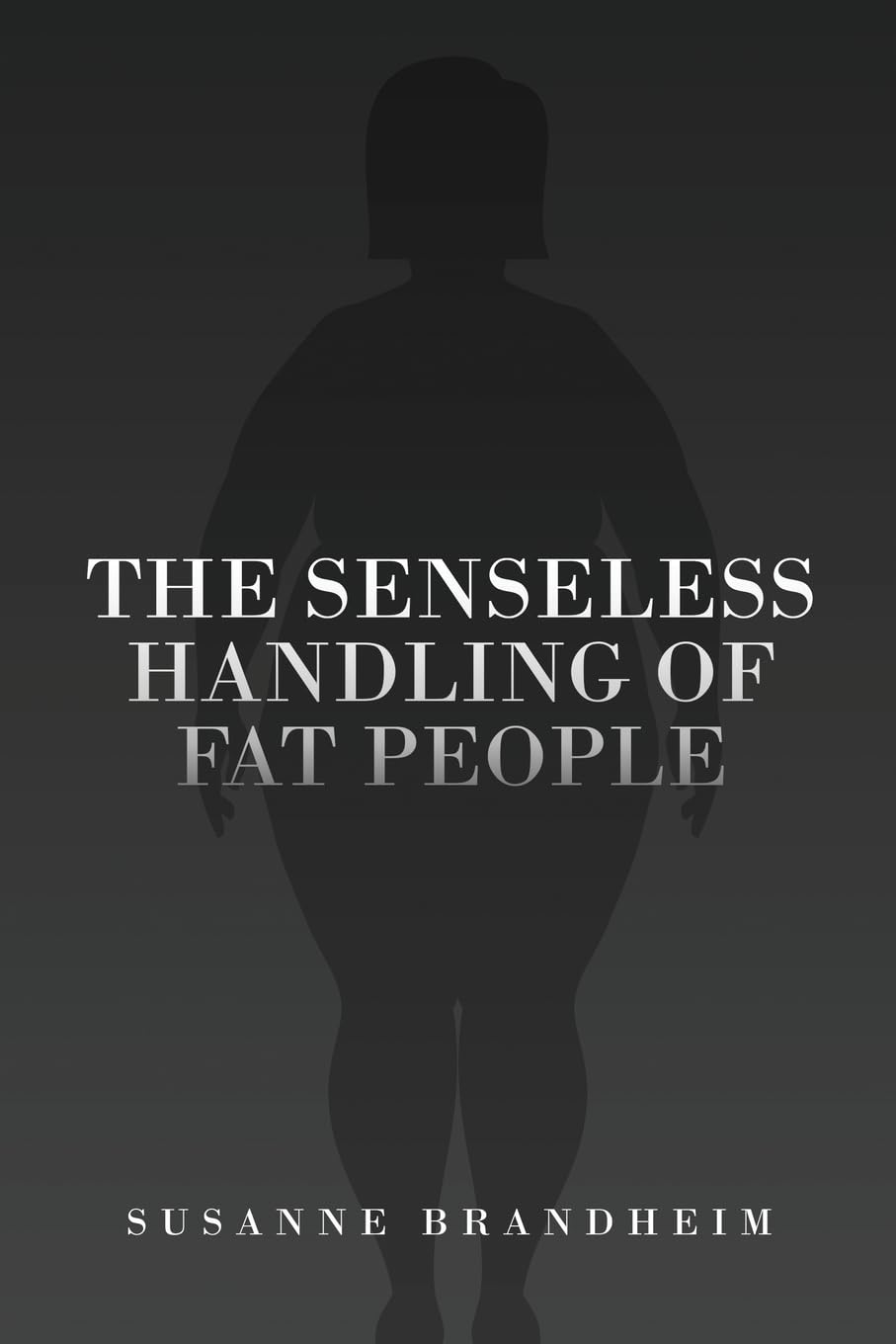
Public health narratives have evolved significantly over the past few decades, reflecting broader changes in societal attitudes and ideologies. One notable shift is the movement from emphasizing individual responsibility for health to focusing on structural and systemic factors. This transformation has had profound implications for the way fat people are perceived and treated, particularly in light of the critique presented in The Senseless Handling of Fat People by Susanne Brandheim. This article explores the trajectory of this shift, the role of neoliberal ideologies, and its impact on fat individuals.
The Shift from Personal Responsibility to Structural Blame
- Early Narratives: Emphasis on Individual Responsibility
In earlier public health discourses, the focus was primarily on individual responsibility. The prevailing narrative suggested that personal choices and behaviors were the main determinants of health outcomes. For example, issues related to obesity were often attributed to personal failings, such as poor diet and lack of exercise. This approach reinforced the idea that individuals were solely responsible for their health and well-being.
This individualistic perspective led to policies and interventions aimed at encouraging personal behavior change, such as promoting exercise and dieting. While these efforts aimed to address health issues, they often overlooked the broader context in which individuals make choices, including socioeconomic and environmental factors.
- Emergence of Structural and Systemic Factors
Over time, there has been a growing recognition of the impact of structural and systemic factors on health. This shift reflects a broader understanding that individual behavior cannot be separated from the larger context in which it occurs. Structural factors such as economic inequality, access to healthcare, and the built environment have increasingly been acknowledged as significant determinants of health.
For fat people, this shift in narrative has meant a greater emphasis on understanding how societal structures and policies contribute to health outcomes. The realization that factors such as food deserts, lack of access to safe spaces for physical activity, and systemic discrimination play a role in health has led to a more nuanced understanding of obesity and related health issues.
Impact on Fat People
- Stigmatization and Blame
The emphasis on personal responsibility has contributed to the stigmatization of fat people, framing them as lazy or lacking willpower. This stigmatization has led to negative health outcomes, including increased stress and reduced access to healthcare. Fat individuals are often blamed for their health issues, rather than acknowledging the role of structural factors.
- Challenges in Addressing Structural Factors
While there has been progress in recognizing the importance of structural factors, challenges remain in effectively addressing these issues. Public health policies often continue to focus on individual behavior change, neglecting the need for systemic reforms. This can lead to a disconnect between public health initiatives and the realities faced by fat individuals.
- The Need for Systemic Change
To address the impact of structural factors on fat people’s health, it is essential to advocate for systemic change. This includes policies that address socioeconomic disparities, improve access to healthy food and safe spaces for physical activity, and combat discrimination. By shifting the focus from individual blame to structural reform, we can create a more equitable and inclusive approach to public health.
Moving Forward
The shift in public health narratives from personal responsibility to structural blame represents a significant evolution in understanding health determinants. However, the influence of neoliberal ideologies has complicated this shift, often perpetuating individualistic approaches and stigmatizing fat people.
Addressing the complex interplay of personal, structural, and systemic factors is crucial for developing effective and equitable public health policies. Susanne Brandheim’s The Senseless Handling of Fat People underscores the need to move beyond simplistic and stigmatizing narratives, advocating for a more nuanced and compassionate approach to health and well-being.
By acknowledging the role of structural factors and challenging neoliberal perspectives, we can work towards creating a public health framework that recognizes the diverse experiences of fat people and promotes systemic change. This approach not only addresses health disparities but also fosters a more inclusive and equitable society.