

Throughout history, sacred plants and substances have served as gateways to the divine. From ancient shamans to modern spiritual seekers, people have long used psychedelic compounds to reach beyond the veil of ordinary perception. But can a mystical experience be engineered? According to Dr. Olga Chernoloz in Psychedelics A to Z, the answer is both yes and no.
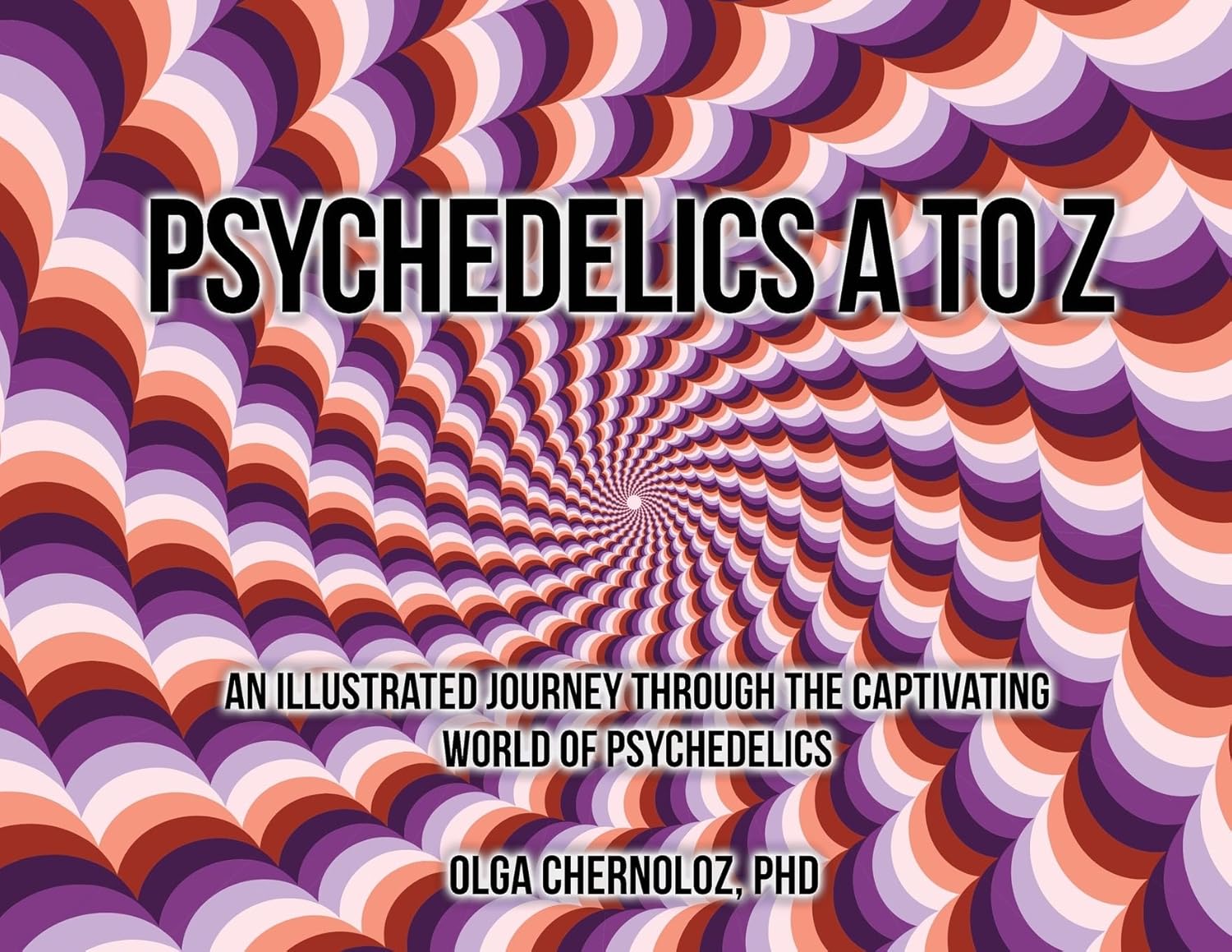
The chapter “Z: Zen to Zion” explores the rich relationship between psychedelics and spirituality. In many indigenous cultures, substances like ayahuasca, peyote, and psilocybin were (and still are) used in ritual settings to connect with gods, ancestors, or nature spirits. These weren’t recreational experiences. They were sacred, often involving days of preparation, fasting, chanting, and guidance from an elder or healer. The goal was communion, not escape.
Fast forward to today, and many people are still searching for that same connection, but often in very different settings. Instead of a shaman’s hut, the journey might take place in a therapy room, a retreat center, or even alone at home. Can the sacred still happen under fluorescent lights or behind closed doors?
Dr. Chernoloz argues that the potential for spiritual experience lies not in the setting itself, but in how we prepare and respond. Psychedelics are, as she writes, “nonspecific amplifiers.” They don’t force a particular vision or insight. Instead, they open the doors. What we encounter depends on the mind that walks through.
That said, the likelihood of encountering something “divine” can be increased. The book cites research like the Good Friday Experiment, where theology students given psilocybin during a church service were far more likely to report mystical experiences than those who received a placebo. Similar findings have emerged in modern clinical trials: participants who take psychedelics in a supportive, reverent context are more likely to describe feelings of oneness, timelessness, and contact with a higher power.
So yes, the divine can be “engineered”—not in the mechanical sense, but in the sense that we can create the right conditions for it. Set and setting matter. So does intention. Entering a psychedelic state with curiosity, openness, and humility often invites something bigger to show up.
But this comes with responsibility. The book warns against spiritual elitism and the trap of ego inflation. Just because someone has a powerful experience doesn’t mean they’re enlightened—or qualified to guide others. True integration of the sacred, Dr. Chernoloz reminds us, happens in the weeks and months afterward. It shows up not in visions but in how we live.
In the end, psychedelics may not give us God. But they may give us a glimpse—a spark of connection that reminds us there’s more to this life than what meets the eye. Whether in a jungle ceremony or a quiet bedroom, that glimpse can be just as real.
And in that moment, the sacred is not engineered. It’s remembered.