


Some novels announce themselves with noise. Others speak softly and stay with you longer. John N by Richard Totino belongs firmly in the second category. From its opening pages, the book draws the reader into a world where identity is not explained or declared, but rather slowly revealed through reflection, restraint, and internal tension. It is a novel that trusts the reader to notice what is left unsaid.
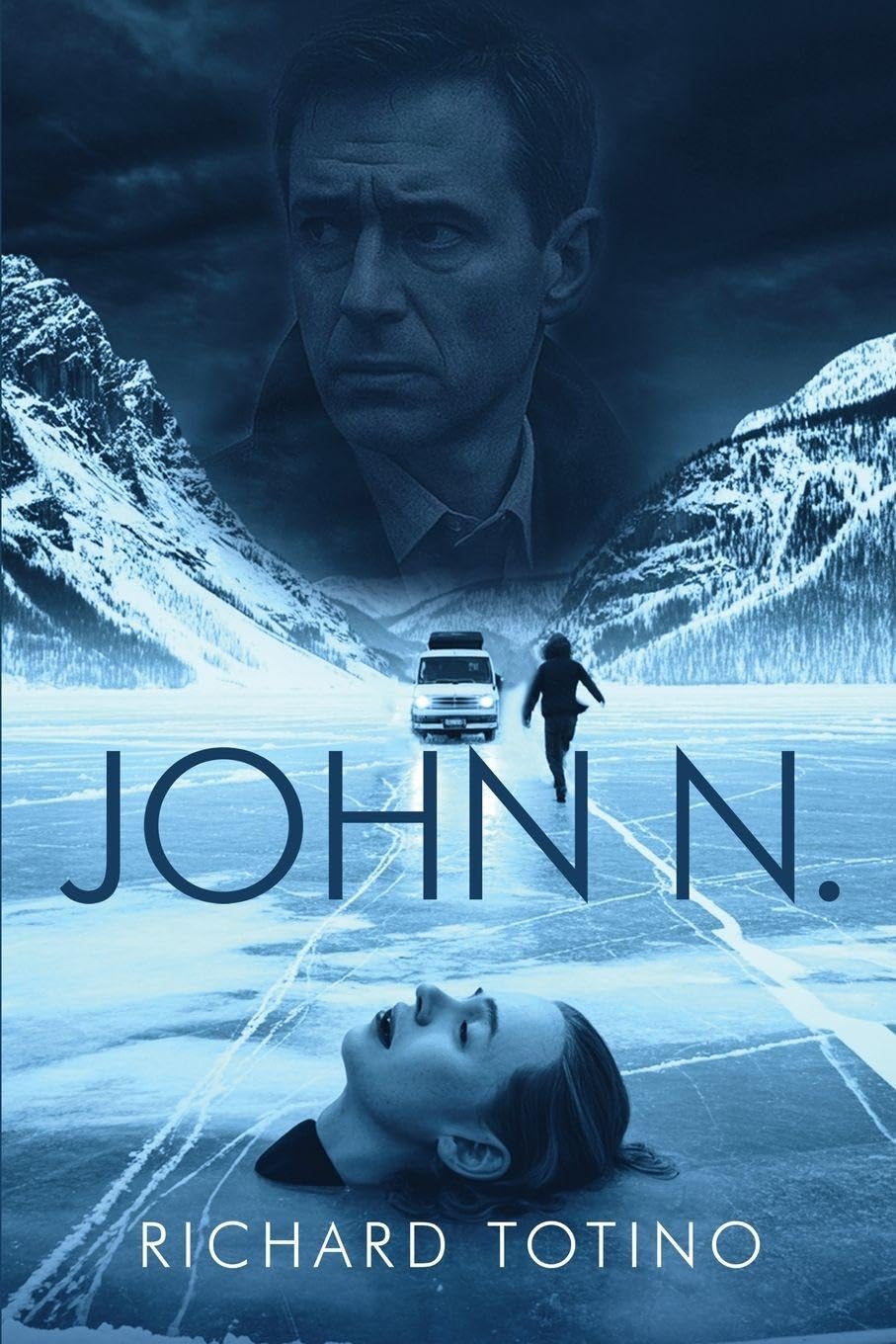
At its core, John N is not driven by spectacle or constant action. Instead, Richard Totino focuses on the inner life of his protagonist. The story explores how identity is shaped when a person is compelled to confront their true self beneath the roles they have played and the choices they have made. The result is a psychological narrative that feels grounded, realistic, and quietly unsettling.
One of the most effective elements of the book, John N is Totino’s use of restraint. Rather than relying on dramatic scenes to explain the character, the novel allows meaning to emerge through silence and the character’s memories. John’s past is revealed gradually, often through brief recollections or moments of hesitation. These fragments do not arrive with an explanation. They surface naturally, mirroring how real people process their own histories. In this way, the reader experiences John’s identity not as a fixed idea, but as something unstable and in the process of formation.
Totino also uses internal conflict as the main source of tension. John is not constantly reacting to external threats. Instead, he is engaged in a private struggle between who he was, who he has become, and who he might still be. This conflict is evident in small decisions, moments of doubt, and the way John relates to others. For example, when he hesitates before sharing parts of his past, the silence itself becomes a meaningful part of the narrative. It signals fracture rather than certainty.
Memory plays a similar role throughout the novel. Rather than offering long explanations, Totino lets memories interrupt the present. These moments are often brief and emotionally restrained, yet they carry weight. They show how the past continues to shape John’s sense of self, even when he attempts to live quietly and without attention. The reader is left to connect these moments, building an understanding of identity that feels earned rather than delivered.
What makes John N especially effective is how ordinary its emotional landscape feels. John is not presented as a symbol or a larger-than-life figure. He is flawed, guarded, and often uncertain. This ordinariness is intentional. It reinforces Totino’s larger theme that the most significant struggles are often internal and invisible. Identity, in this novel, is not something discovered through dramatic transformation, but through patient self-confrontation.
This book offers a thoughtful exploration of identity shaped by silence, memory, and inner conflict. It is a novel that values realism over spectacle and reflection over explanation.
For readers who appreciate psychological literary fiction that respects their intelligence and emotional awareness, John N is well worth reading, available on Amazon: https://www.amazon.com/dp/1970440376/.