
We wake up to screens, speak through devices, and often measure our lives in notifications and data. Technology no longer sits at the edges of daily life. It shapes how we work, communicate, and even understand ourselves. In this environment, a simple but powerful question emerges. What does it mean to be human in a world increasingly shaped by digital systems?
This question sits at the heart of many modern stories and real experiences alike. As our lives move further online, the line between human presence and digital existence grows thinner. The challenge is no longer whether technology changes us, but how deeply it influences our sense of identity.
Identity in a Screen-Driven Life
Being human has traditionally meant connection through physical presence, shared environments, and direct interaction. In a digital world, those markers shift. Relationships are formed through text, voice notes, and avatars. Work happens across platforms. Even emotions are expressed through symbols and algorithms.
This shift can create distance from the self. People may feel constantly connected but emotionally detached. They may perform versions of themselves online that do not fully reflect who they are. Over time, this can lead to confusion about identity. Are we defined by what we feel, what we share, or what we are seen doing online?
Emotional Detachment and Modern Loneliness
One of the most striking effects of digital life is emotional detachment. Constant stimulation leaves little space for reflection. Quick interactions replace deeper conversations. This environment can make it harder to process emotions or form lasting bonds.
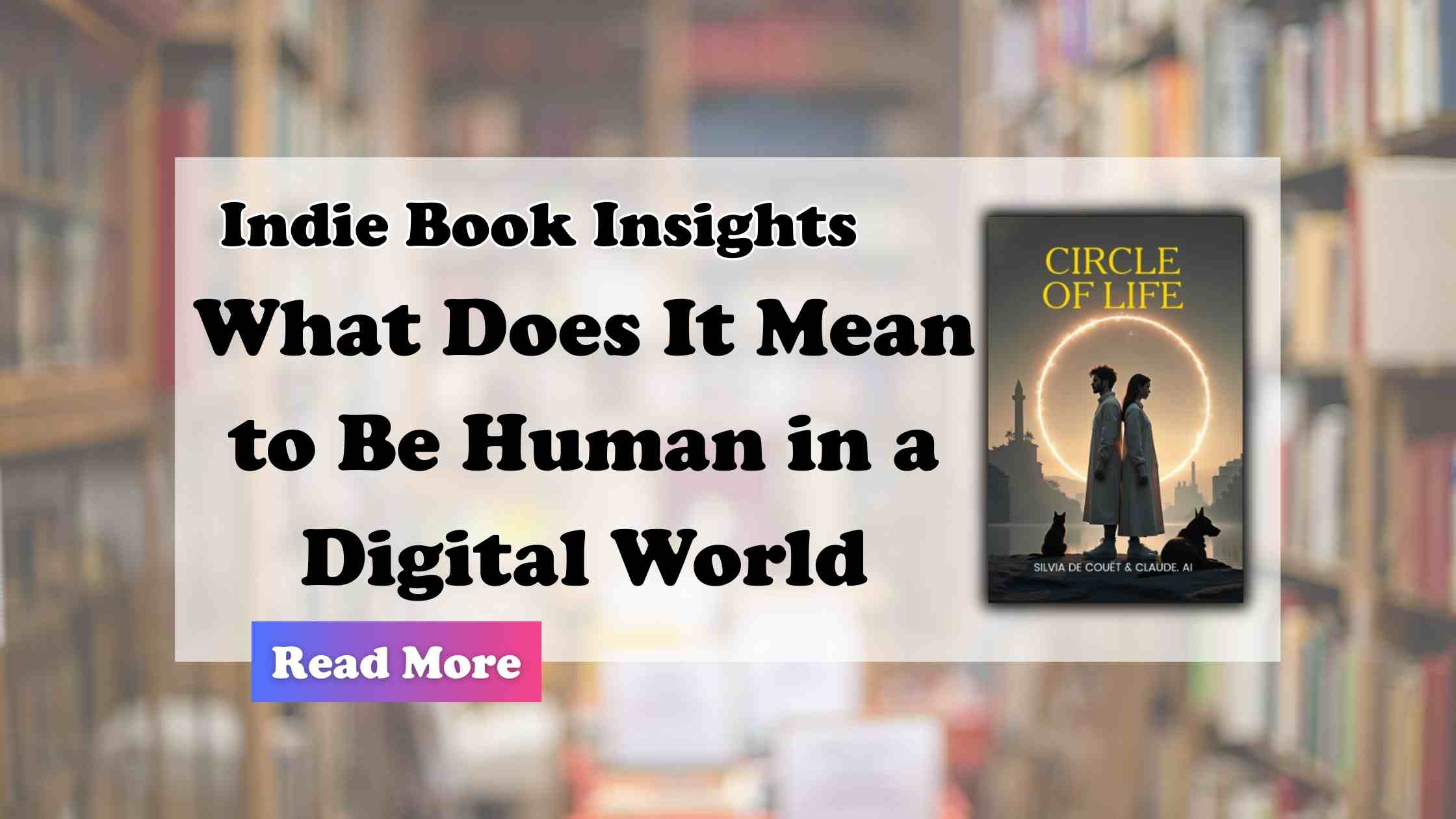
This struggle is reflected in the character of Ronny in Circle of Life by Silvia de Couët and Claude AI. This book explores Ronny’s emotional detachment and his struggle with identity, and invites readers to question how technology shapes their own sense of self. Advanced systems and virtual environments surround Ronny, but he struggles to understand his own feelings. His experience mirrors a common modern tension. Being efficient and connected does not always mean being emotionally present.
Technology as a Mirror, Not the Cause
It is easy to blame technology for this shift, but digital tools often reflect existing human tendencies. The desire for control, comfort, and validation did not begin with screens. Technology simply amplifies them.
At the same time, it can also expose deeper questions. If a machine can simulate empathy, what makes human emotion unique? If data can shape identity, where does personal meaning come from? These questions do not weaken humanity. They challenge it to redefine itself.
Choosing Humanity with Intention
Being human in a digital world may require conscious effort. It means slowing down when everything moves fast. It means choosing presence over performance and reflection over reaction. Technology can support connection, but it cannot replace emotional responsibility.
Stories like Circle of Life explore these tensions without offering simple answers. They suggest that humanity is not lost in digital spaces, but it must be actively maintained. Identity, empathy, and self-awareness remain human responsibilities, even when mediated by machines.
For readers interested in thoughtful reflections on identity, emotional distance, and life in a digital age, Circle of Life by Silvia de Couët and Claude AI offers a meaningful perspective that encourages deeper self-examination.
Read Circle of Life by Silvia de Couët and Claude AI, available on Amazon: https://www.amazon.com/dp/1968296697/.