
Some of the most powerful fiction begins with a place that feels real. Not imagined in abstraction, but remembered through lived experience. When writers draw from real locations and personal memories, stories gain an emotional texture that cannot be replicated through research alone. The setting becomes more than a backdrop. It becomes part of the story’s emotional core.
Writing fiction inspired by real places allows authors to tap into sensory memory. The smell of salt in the air, the way light falls at a certain time of day, or the quiet rhythm of a familiar street all shape how characters move through the world. These details anchor readers, helping them feel present inside the story rather than observing it from a distance.
Memories add another layer of depth. Even when events are fictionalized, emotions rooted in real experiences tend to surface naturally. Joy, uncertainty, longing, and comfort often come from moments the writer has lived through. When woven carefully into fiction, these emotions feel honest rather than constructed.
One of the strengths of writing from memory is authenticity. Readers may not recognize the specific place, but they recognize the feeling. A small town can evoke nostalgia, safety, or restlessness depending on how it is portrayed. These emotional truths resonate universally, even when the setting is deeply personal.
However, writing from real places does not mean documenting them exactly as they are. Fiction allows writers to reshape memory, blending fact and imagination. A street might be shorter, a beach quieter, or a house slightly different than remembered. What matters is emotional accuracy, not perfect replication.
Writers often find that returning to meaningful places sparks creativity. Walking familiar paths or revisiting old neighborhoods can awaken forgotten details. These moments reconnect writers with earlier versions of themselves, allowing characters to emerge organically from memory rather than invention.
Real places also help establish continuity in long form storytelling. When a setting is fully realized, it can support character growth over time. Readers become familiar with the environment, creating a sense of belonging. This is especially powerful in stories that span years or follow characters through different stages of life.
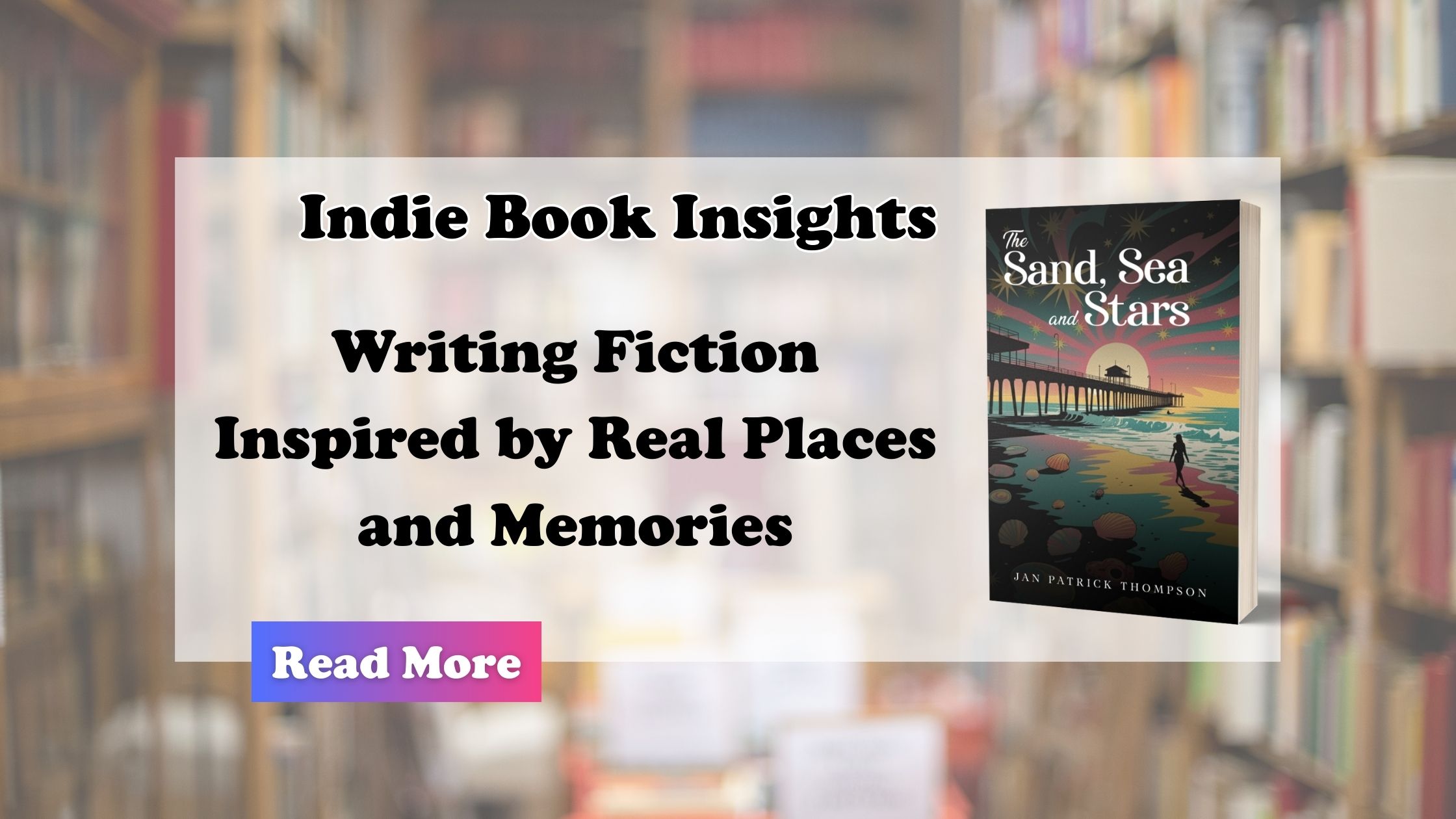
A strong example of this approach can be seen in The Sand, Sea and Stars by Jan Patrick Thompson. The novel is deeply rooted in a Southern California beach town inspired by the author’s own memories. The setting feels lived in, not described for effect but experienced through the characters. Beaches, homes, and familiar gathering places shape how the characters relate to each other and to themselves.
The Sand, Sea and Stars by Jan Patrick Thompson is a historical romance that unfolds in a quiet Southern California beach town during the late 1960s, a time marked by national turmoil and personal awakening.
Centered on Ava Lynn Fitzgerald and her close knit circle of friends, the story captures the fragile space between youth and adulthood, where first love, loyalty, and dreams begin to take shape against the backdrop of the Vietnam War. As Ava’s world expands beyond the safety of familiar shores, she is drawn into a love that challenges her sense of certainty and tests the strength of her heart. Rich in nostalgia, music, and place, the novel explores how love grows slowly, endures separation, and remains grounded in trust and devotion. With its evocative setting and emotionally grounded storytelling, The Sand, Sea and Stars is a reflective and deeply human love story about connection, timing, and the moments that shape a lifetime.
By drawing from real memories, the story captures the quiet beauty of everyday life. The setting holds emotional weight, reflecting both comfort and change. This grounding allows the romance and personal growth within the story to unfold naturally.
Writing fiction inspired by real places and memories is ultimately an act of preservation. It allows writers to honor the past while transforming it into something new. When done thoughtfully, it creates stories that feel intimate, honest, and deeply human.
Want To Discover More? Head Over To Our Author Profiles: https://www.goodreads.com/user/show/195669105-jan-patrick