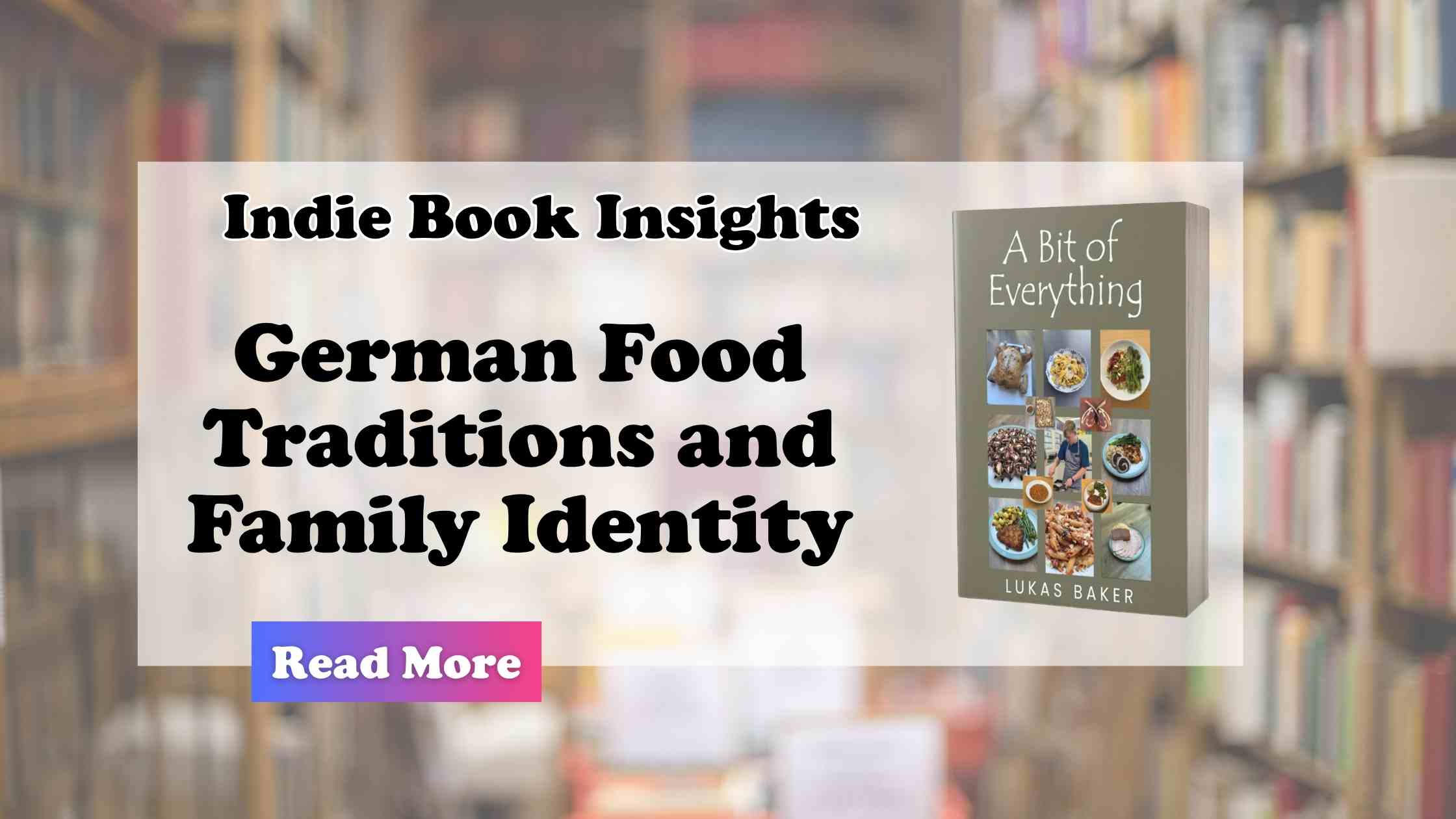
In many German households, food is not simply nourishment. It is rhythm. It is memory. It is identity carried from one generation to the next.
Tradition begins with structure. In Germany, the main cooked meal is often eaten at lunch rather than in the evening. Dinner may consist of bread, sliced meats, cheeses, pickles, spreads, and simple accompaniments laid out across the table. This pattern shapes the day. It anchors family members around a shared pause in the middle of work and school. The meal is not rushed. It is expected.
Bread holds particular significance. Bakeries are part of daily life, not occasional indulgence. Dense rye loaves, crusty rolls, seeded varieties, each region has its own preferences. Bread is not a side item. It is foundation. Sliced, buttered, topped with cold cuts or cheese, it reflects practicality and heritage at once.
Meat also carries cultural weight. Sausages in countless forms, ham shaped into playful childhood memories, roast dishes served on Sundays. Even simple foods acquire emotional meaning over time. A child who once rolled a pickled baby corn in a slice of ham at the dinner table is not just recalling taste. He is recalling belonging.
Seasonal traditions deepen this connection. Christmas markets offer spiced treats and warm pastries. Family recipes are prepared the same way each year, reinforcing continuity. Grandparents pass down techniques without writing them down. The method lives in repetition.
Travel and migration add complexity. Families who move between countries carry these traditions with them. A cupboard stocked with familiar German ingredients in a foreign home becomes a quiet declaration of identity. Returning to Germany for visits restores the sensory landscape of childhood. The smell of fresh bread. The texture of cured meats. The pattern of shared lunch.
Food also shapes discipline and adaptation. For those with dietary restrictions, traditional meals may require adjustment. Protein levels must be measured. Portions must be modified. Yet the cultural framework remains. The table still gathers family. The conversation still flows. Identity is preserved even when ingredients change.
There is simplicity in many German meals. Bread, cheese, vegetables, pickled items. Nothing extravagant, yet deeply satisfying. This simplicity reflects a broader cultural value: practicality over excess. Food is meant to sustain, not perform.
Family identity forms around these rituals. Children learn who they are through repetition. The same lunch structure. The same holiday dishes. The same phrases spoken at the table. Years later, recreating a childhood meal becomes an act of reconnection.
In a fast paced world where convenience often replaces tradition, German food culture offers steadiness. Meals are predictable. Ingredients are familiar. The table becomes a stable center.
Ultimately, German food traditions are less about specific recipes and more about continuity. They link grandparents to parents to children. They anchor identity across geography and time. A slice of bread topped with cheese can carry history.
When families gather around familiar dishes, they are not just eating. They are reaffirming who they are and where they come from.
Read this book, available on Amazon: https://www.amazon.com/dp/1971228001/.