

A medical diagnosis has the power to alter the course of a person’s life within moments. In such critical situations, communication is not simply an exchange of information. It is the foundation upon which understanding, trust, and decision making are built. When communication is clear, patients feel aware and supported. When it is unclear, confusion and fear can quickly take over.
One of the greatest challenges patients face is processing complex medical information while under emotional strain. A diagnosis often arrives with shock, making it difficult to absorb details about treatment options, risks, and outcomes. This is where clarity becomes essential. Medical professionals must not only provide accurate information but also ensure that it is delivered in a way that patients can truly understand. Language should be direct, structured, and free from unnecessary complexity.
Timing also plays a crucial role. Information delivered too quickly or without preparation can overwhelm the patient. A thoughtful approach allows individuals to absorb what is being said, ask questions, and begin to process their situation. Communication should be paced, allowing space for emotional response as well as practical understanding.
Consistency in communication is equally important. When patients receive conflicting messages from different professionals, it creates uncertainty and erodes trust. A unified approach among healthcare providers ensures that the patient receives a clear and coherent picture of their condition and next steps. Coordination behind the scenes directly influences confidence at the patient level.
Another key factor is the opportunity for dialogue. Patients should never feel like passive recipients of information. They need space to ask questions, express concerns, and seek clarification. A diagnosis is not a one sided conversation. It is an ongoing exchange that evolves as the patient’s understanding grows. Encouraging this interaction empowers individuals to take an active role in their care.
Emotional awareness must also be part of effective communication. Delivering a diagnosis requires sensitivity. Patients are not simply processing facts, they are confronting fear, uncertainty, and often thoughts about their future. A calm tone, patience, and genuine empathy can transform the experience. Even small gestures of reassurance can help ground a patient during a moment of distress.
Clarity also extends beyond the initial diagnosis. Follow up discussions, written information, and continued guidance are necessary to reinforce understanding. Patients often revisit what they have been told, reflecting on details they may have missed initially. Providing accessible information and maintaining open lines of communication ensures that they are not left feeling lost after the initial conversation.
Poor communication, on the other hand, can have lasting consequences. Misunderstanding a diagnosis or treatment plan may lead to unnecessary anxiety or delayed decisions. It can also create a sense of isolation, where patients feel unsupported within a system that is meant to care for them. Addressing communication gaps is therefore not an optional improvement, it is a fundamental requirement of quality care.
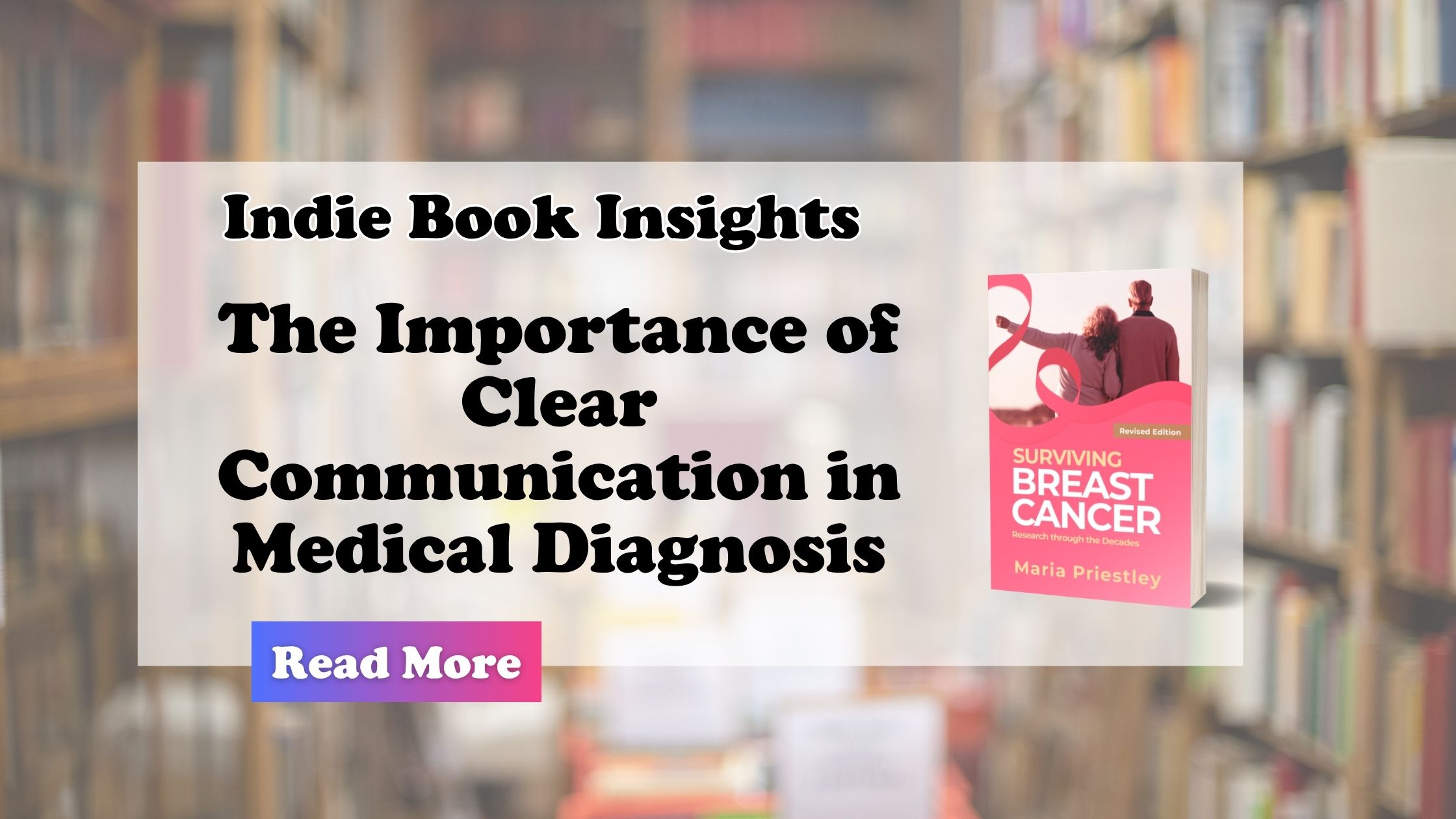
Surviving Breast Cancer: Research through the Decades by Maria Priestley highlights the profound impact communication has on patient experience. Through real accounts and reflections, the book reveals how clarity, or the lack of it, shapes the emotional and practical journey of those facing serious illness. It brings attention to moments where communication supported healing, as well as instances where it fell short.
For readers seeking to understand the human side of medical care, this book offers valuable insight into why communication matters as much as treatment itself. It stands as a reminder that behind every diagnosis is a person who needs not only answers, but understanding.
Book available on Amazon: https://www.amazon.com/dp/B0GHGBLD54.