

Every medical professional at some point will experience something which goes beyond knowing what to do technically. The health condition of the patient suddenly worsens and an emergency arises in the span of just a few moments and there isn’t enough time for any rational thought processes prior to acting. Such moments require the individual to be able to remain calm, regulate his emotions and make sound decisions.
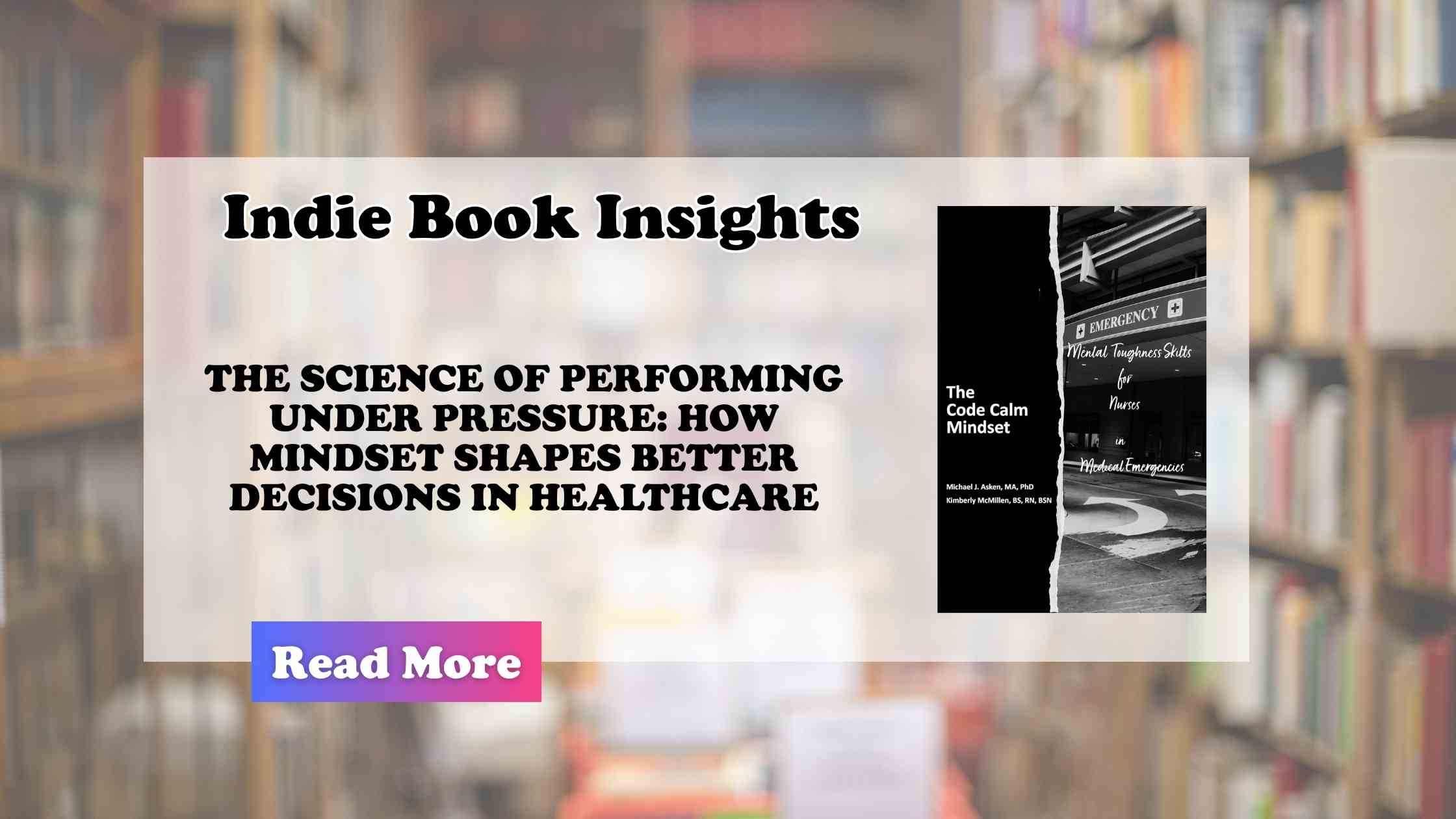
The above discussion leads us to “The Code Calm Mindset” by Michael J. Asken, which takes an approach to professional excellence which is different from what many healthcare professionals would have in mind; the psychology of performance. This work does not assume stress to be a natural outcome of the medical profession but rather a skill set which can be trained to enable effective decision making and increase focus.
One of the most important lessons learned from the book is that the enemy is not stress itself, but the situation when such stress overtakes attention, creates self-doubt and prevents clear thinking. The author claims that successful people can see the reaction caused by the stress and cope with it while keeping the focus on their tasks.
Equally important is the notion that confidence comes before the crisis occurs. People develop their confidence through regular preparation, self-talk and experience gained while dealing with stressful situations. While the success of clinical procedures depends on the experience, so does the psychological state. Thus, it is necessary to consider confidence as a professional characteristic, not a personality feature.
Additionally, it is worth noting that outstanding performance is achievable through taking care of oneself physically and psychologically. Activities such as exercise, sleep, conditioning, and recovery are not only healthy practices but important ingredients for mental clarity and psychological resilience. The author notes that fatigue, stress, and lack of proper recovery have impacts on one’s ability to focus, regulate emotions, and make decisions. All these play an important role in delivering quality medical care.
One of the strengths of The Code Calm Mindset is the balanced approach the book takes in addressing the issue of resilience. The book does not advocate that health care practitioners should detach themselves from their emotions or patients. In his book, Michael J. Asken urges practitioners to gain emotional control while still being compassionate.
This perspective carries value far beyond emergency situations. The same psychological skills support difficult conversations with families, collaboration within multidisciplinary teams, recovery after emotionally demanding shifts, and the ability to sustain a long, fulfilling career in healthcare. Mental resilience becomes not just a performance advantage but also a safeguard against burnout and emotional exhaustion.
Ultimately, the science of performing under pressure is not about becoming fearless. It is about preparing the mind as carefully as the hands. When healthcare professionals strengthen their psychological skills alongside their clinical abilities, they become better equipped to navigate uncertainty, inspire confidence in those around them, and provide compassionate care when it matters most. In a profession where every decision can change a life, mindset is not an optional extra—it is an essential part of excellence.
Available On Amazon: https://www.amazon.com/dp/B0CQF13ZRH/