

The presidential election of 1960 remains one of the closest and most memorable contests in American history. It was more than a race between John F. Kennedy and Richard Nixon. It marked a turning point in how campaigns were fought, how candidates connected with voters and how television transformed American politics. Even today, historians continue to debate what truly decided the outcome.
John F. Kennedy entered the campaign carrying both advantages and challenges. He came from one of America’s best known political families and possessed remarkable confidence, intelligence and charisma. At the same time, he faced questions about his age, experience and religion. Winning the presidency required far more than personal popularity. It demanded careful strategy, relentless campaigning and the ability to persuade millions of undecided voters.
Television became one of the defining features of the election. The famous presidential debates introduced a new era in political communication, allowing voters to judge candidates not only by their policies but also by their appearance, confidence and composure. These debates changed campaign politics forever and demonstrated the growing influence of mass media on democratic elections.
Money also became a lasting subject of discussion. Campaign resources, advertising, travel and organisation all played important roles in reaching voters across the country. Historians have long debated how much financial strength influenced the election and whether public perception mattered more than policy proposals.
The election has also produced countless myths. Stories about political machines, voting irregularities and campaign tactics have circulated for decades. Some claims have become widely accepted despite limited evidence, while others continue to divide scholars. As more historical records have become available, researchers have revisited many of these questions, seeking a clearer understanding of what truly happened during one of America’s most significant elections.
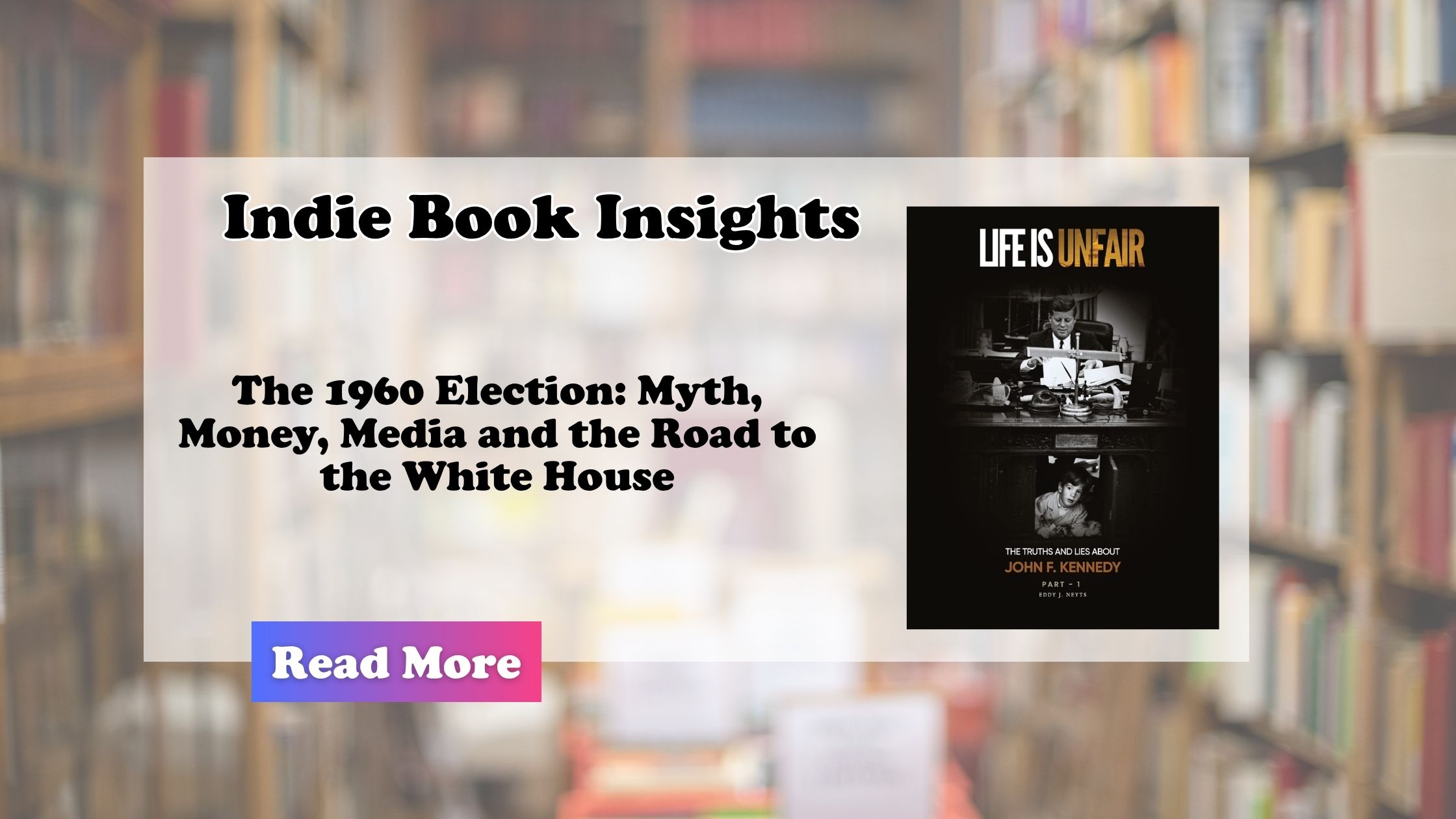
Life Is Unfair: The Truths and Lies about John F. Kennedy by Eddy Joseph Neyts invites readers to examine the 1960 election through a careful historical lens. Rather than repeating familiar narratives, the book explores the evidence behind many of the stories that have shaped Kennedy’s political legacy. It encourages readers to question assumptions, compare historical accounts and consider the complexity of the campaign that brought Kennedy to the White House.
The book also places the election within the larger story of Kennedy’s presidency. It shows how his political journey, family influence, public image and leadership style combined to create one of the most fascinating careers in American history. By presenting multiple perspectives instead of simple conclusions, the author allows readers to appreciate the challenges Kennedy faced before he ever entered the Oval Office.
For readers interested in presidential history, political campaigns and the forces that shape democratic elections, Life Is Unfair: The Truths and Lies about John F. Kennedy offers a thoughtful and engaging exploration of the myths, realities and enduring questions surrounding the election that changed American history.
TOME-1 is now available. TOME-2 is coming soon.