
For a baby, safety is not an abstract idea. It is something felt through a familiar voice, a steady heartbeat, a warm pair of arms, a bottle offered when hunger begins and a caregiver who responds when distress appears.
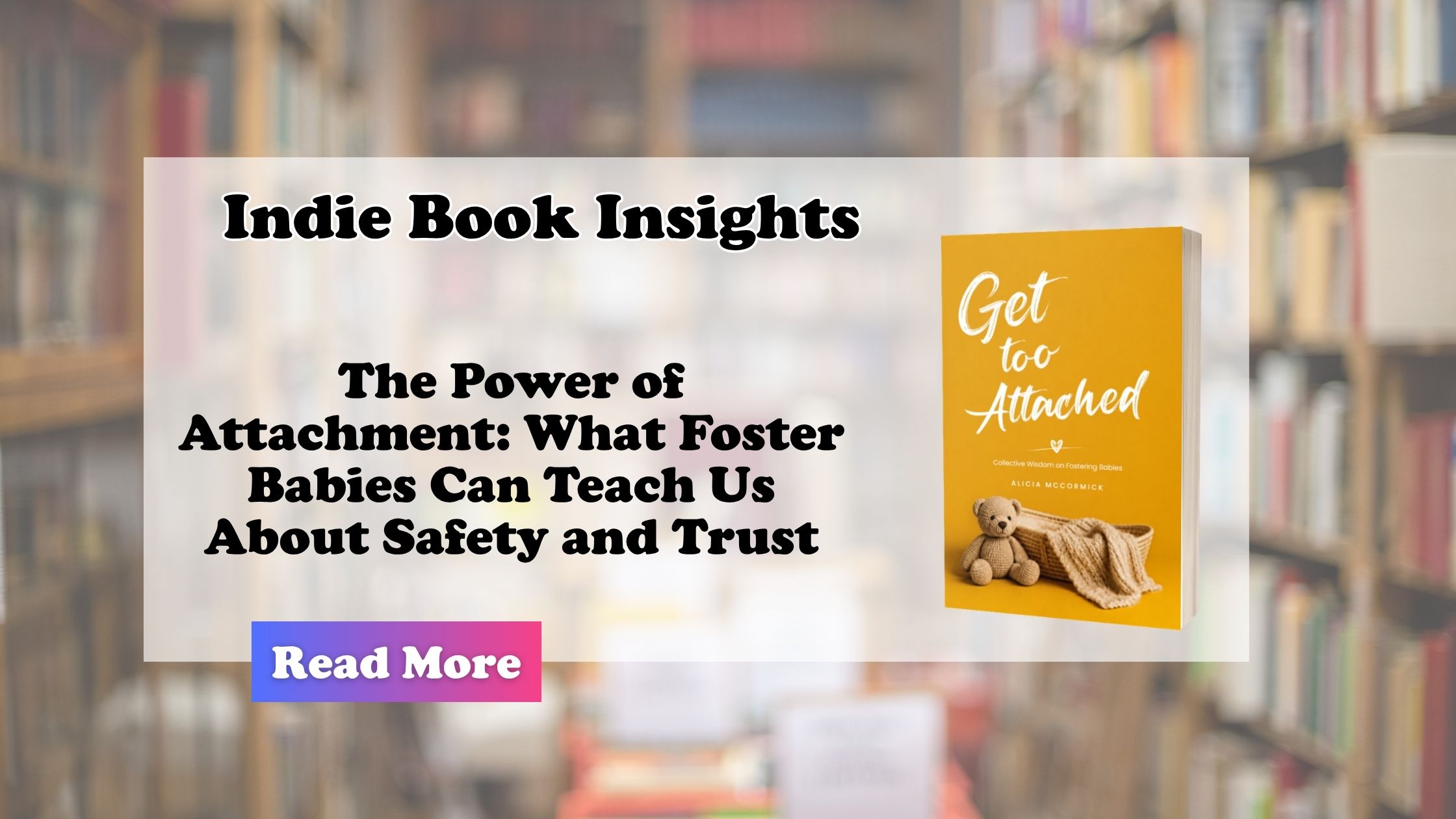
That is one of the most important lessons at the heart of Get Too Attached: Collective Wisdom on Fostering Babies by Alicia McCormick, PhD.
The forthcoming book brings together stories from foster parents who have cared for babies with very different beginnings and very different needs. Yet across those experiences, one truth appears again and again: babies in foster care are not blank slates. Even when they are too young to explain what has happened to them, they can still carry the effects of separation, instability, neglect, prenatal stress, substance exposure and disrupted caregiving.
That is why attachment matters so much.
Trust Begins With Response
Many of the foster parents featured in the book describe babies who struggled with feeding, sleeping, being held or settling down. Some babies cried constantly. Others barely cried at all. In certain cases, being unusually quiet was not simply a sign of an “easy baby,” but a possible indication that the child had learned that crying did not reliably bring comfort.
For foster parents, this changes the way caregiving is understood.
The goal is not simply to stop the crying or create a perfect routine. It is to communicate something deeper: You are safe here. Your needs matter. Someone will come when you need them.
That message is built slowly through repetition.
Holding a baby, responding to hunger cues, keeping routines predictable, using soothing techniques, remaining calm during distress and offering consistent affection can all help create a sense of security. Throughout Get Too Attached, foster parents describe using baby carriers, swaddling, skin-to-skin contact, gentle voices, familiar music and responsive caregiving to help babies begin learning that adults can be safe and dependable.
Attachment Is Not Something to Fear
One of the most powerful ideas in McCormick’s book comes from a phrase foster parents hear constantly: “I could never do that. I would get too attached.”
But the book challenges the assumption behind those words.
Foster babies do not need caregivers who hold part of themselves back in case the placement ends. They need adults who are willing to become attached, even when reunification, a relative placement or another transition may eventually bring heartbreak.
As McCormick explains through her own experience, foster parents are not people who somehow avoid attachment. They love deeply while accepting that letting go may be part of the role.
That willingness to love without guarantees can become an important source of safety for a child.
Love, Safety and a Stronger Beginning
Get Too Attached does not suggest that love erases trauma. In fact, many of the stories make the opposite point: trauma can have lasting effects and foster parents may need support from therapists, medical professionals, early-intervention specialists and trauma-informed communities.
But love combined with consistency, education, advocacy and responsive care can still make an extraordinary difference.
At its core, the book asks readers to rethink attachment not as a danger to the foster parent, but as a gift to the child.
Get Too Attached: Collective Wisdom on Fostering Babies by Alicia McCormick, PhD, is currently in the publishing phase and will be available to readers soon. For foster parents, prospective caregivers and anyone who wants to better understand babies and trauma, it offers a compassionate reminder: trust begins when a child learns that someone is willing to show up again and again.
Read the book on Amazon: https://a.co/d/021kJ9Y3