
“Just love them.”
It sounds like good advice for anyone preparing to welcome a foster baby into their home. Love is important. In fact, it is absolutely necessary.
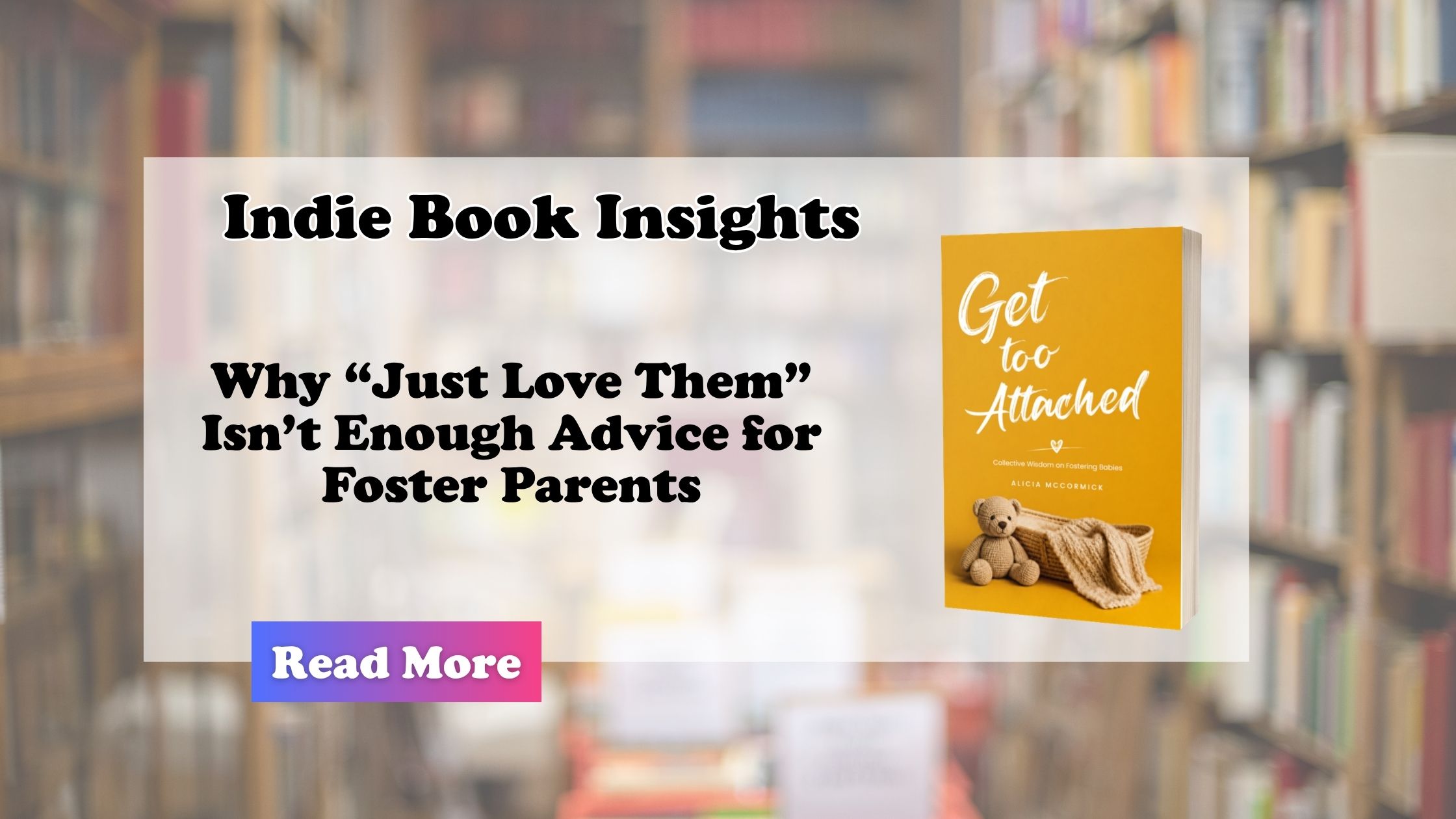
But according to Get Too Attached: Collective Wisdom on Fostering Babies by Alicia McCormick, PhD, love by itself is not enough.
The forthcoming book brings together the experiences of foster parents who have cared for babies with histories of separation, neglect, prenatal substance exposure, medical challenges, instability and disrupted attachment. Their stories reveal something every prospective foster parent should understand: loving a child deeply does not automatically erase what that child has experienced.
Love Cannot Replace Understanding
One of the most important themes in Get Too Attached is that babies can carry trauma even when they cannot explain it.
Some foster babies struggle to sleep. Others have feeding difficulties, cry inconsolably, resist being held or seem unusually quiet. Certain babies may have developmental delays or sensory needs. In other cases, the effects of trauma may not become obvious until much later.
Without trauma-informed knowledge, a caregiver may see these behaviors as stubbornness, temperament or poor habits.
With greater understanding, the question changes.
Instead of asking, “Why is this child acting this way?” foster parents can begin asking, “What might this child have experienced and what do they need from me now?”
That shift can transform caregiving.
Foster Parents Need Practical Tools
Throughout McCormick’s book, parents describe relying on much more than affection.
They use predictable routines, baby wearing, swaddling, calm voices, responsive feeding, occupational therapy, physical therapy, feeding specialists, early-intervention programs, medical professionals and trauma-informed parenting strategies.
They also learn to regulate themselves.
A baby who is overwhelmed may depend on the adult caring for them to remain calm. That means foster parents need tools for their own emotional health as well, including therapy, support groups, rest and trusted people who can step in when things become exhausting.
The book repeatedly emphasizes that foster parents should not be expected to handle everything alone.
Love Also Means Advocacy
Sometimes loving a foster child means making phone calls, asking difficult questions, requesting evaluations, attending appointments or pushing for services.
Babies cannot advocate for themselves.
Foster parents may need to speak up about developmental concerns, feeding problems, medical needs, emotional regulation or early intervention. They must also learn how to work within a complicated system involving social workers, courts, biological parents, therapists and medical professionals.
That work may not look sentimental, but it is still love.
Attachment Matters But So Does Preparation
None of this means foster parents should love less.
Quite the opposite.
Get Too Attached argues that foster babies need adults who are willing to become emotionally invested, even when the future is uncertain. But wholehearted attachment works best when it is supported by education, realistic expectations, community and trauma-informed care.
“Just love them” is a beautiful beginning.
It simply cannot be the whole plan.
Get Too Attached: Collective Wisdom on Fostering Babies by Alicia McCormick, PhD, offers readers something more useful: honest stories, practical wisdom and a deeper understanding of what vulnerable babies may need from the adults who choose to care for them.
Read the book on Amazon: https://a.co/d/021kJ9Y3