

A great work of art can be admired for its beauty, history, craftsmanship, and cultural importance. But when enormous wealth, political ambition, and personal obsession enter the picture, art can become something more dangerous.
It can become leverage.
Rare paintings have long attracted collectors willing to spend fortunes for the privilege of ownership. Their value often extends beyond money. Possessing a famous work can signal status, influence, taste, and access to circles closed to ordinary people. For someone seeking power, owning the right object can become a statement about who they are and how far their influence reaches.
That desire creates opportunities for manipulation.
A valuable painting can be hidden, stolen, forged, secretly exchanged, or used to secure cooperation. Its ownership can create disputes between individuals, institutions, and governments. When the people involved care more about what the artwork represents than what it actually is, the painting becomes a bargaining tool.
The power comes partly from scarcity. There may be countless reproductions of a masterpiece, but only one original. That exclusivity encourages competition. Someone who desperately wants a particular work may ignore good judgment, overlook warning signs, or trust people who understand exactly how to exploit that desire.
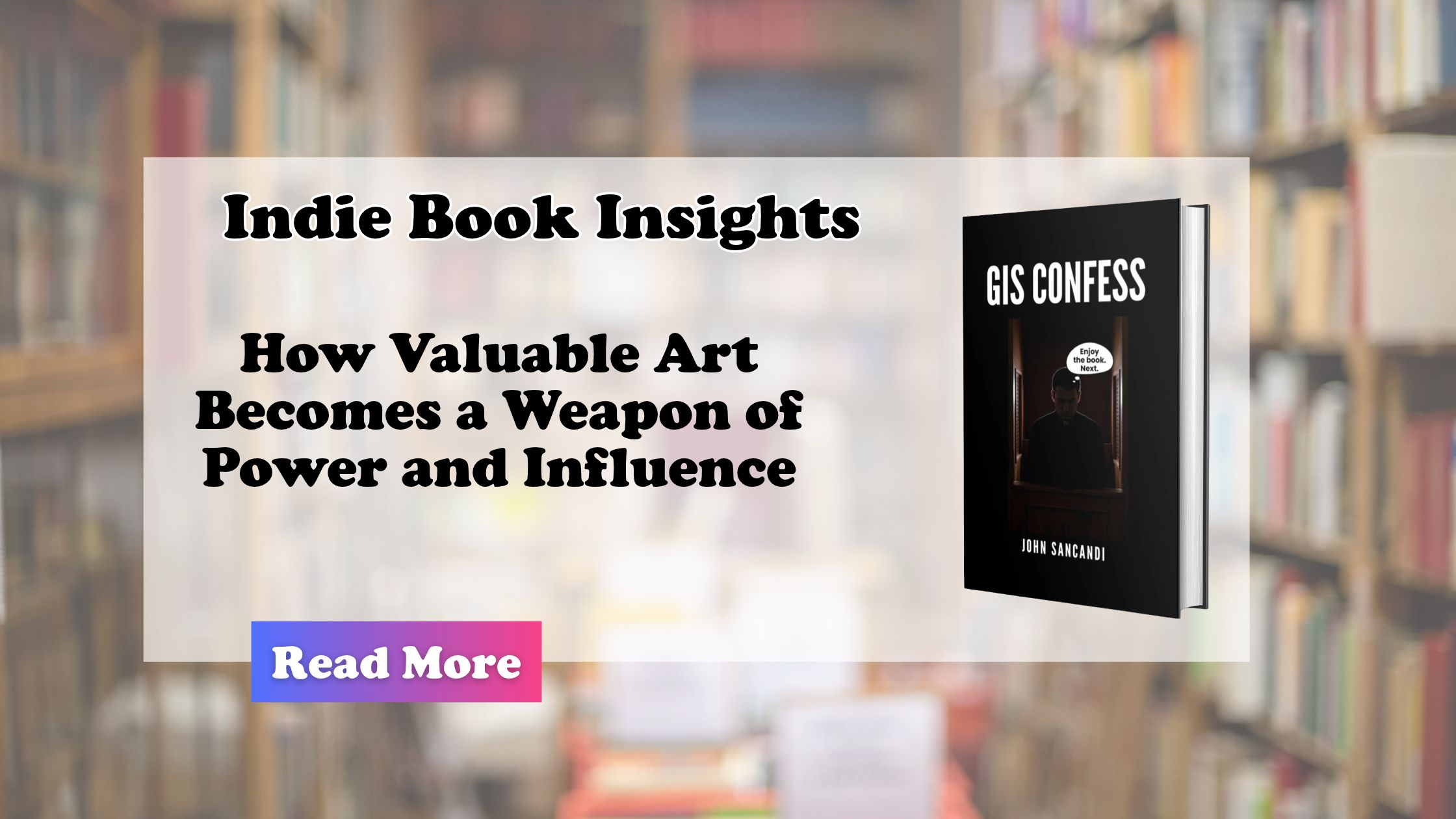
J. Sancandi brings this idea into the center of GIs Confess. A missing Monet becomes much more than a question of recovering stolen property. The painting is connected to deception, personal ambition, political interests, criminal schemes, and people willing to manipulate others to obtain what they want.
Ed Smith is pulled into the situation almost by accident. A wounded veteran already struggling with troubling dreams and uncertainty about his own judgment, Ed suddenly faces a problem in which almost everyone appears to have a different version of the truth.
The painting becomes the point around which those competing motives gather.
Some want money. Others want influence. Some are driven by obsession. Others believe the artwork can help them accomplish goals reaching far beyond the art world.
Ed has to determine what is genuine, what has been fabricated, and why so many people are willing to risk so much over a painting.
That question gives GIs Confess an unusual place among psychological and conspiracy fiction. Art is not simply decoration within the story. It becomes part of the struggle for control.
A masterpiece may hang quietly on a wall. But place it in the hands of people hungry for wealth, recognition, revenge, or political advantage, and its value can become far more dangerous than its price.
In GIs Confess, the missing artwork is worth more than money. It is power.
Read the book on Amazon: https://a.co/d/0eVfZKsW