

Can you imagine living without a washing machine, refrigerator, television or even reliable electricity? Today, these conveniences seem essential, but for many British families during the 1950s, everyday life looked remarkably different.
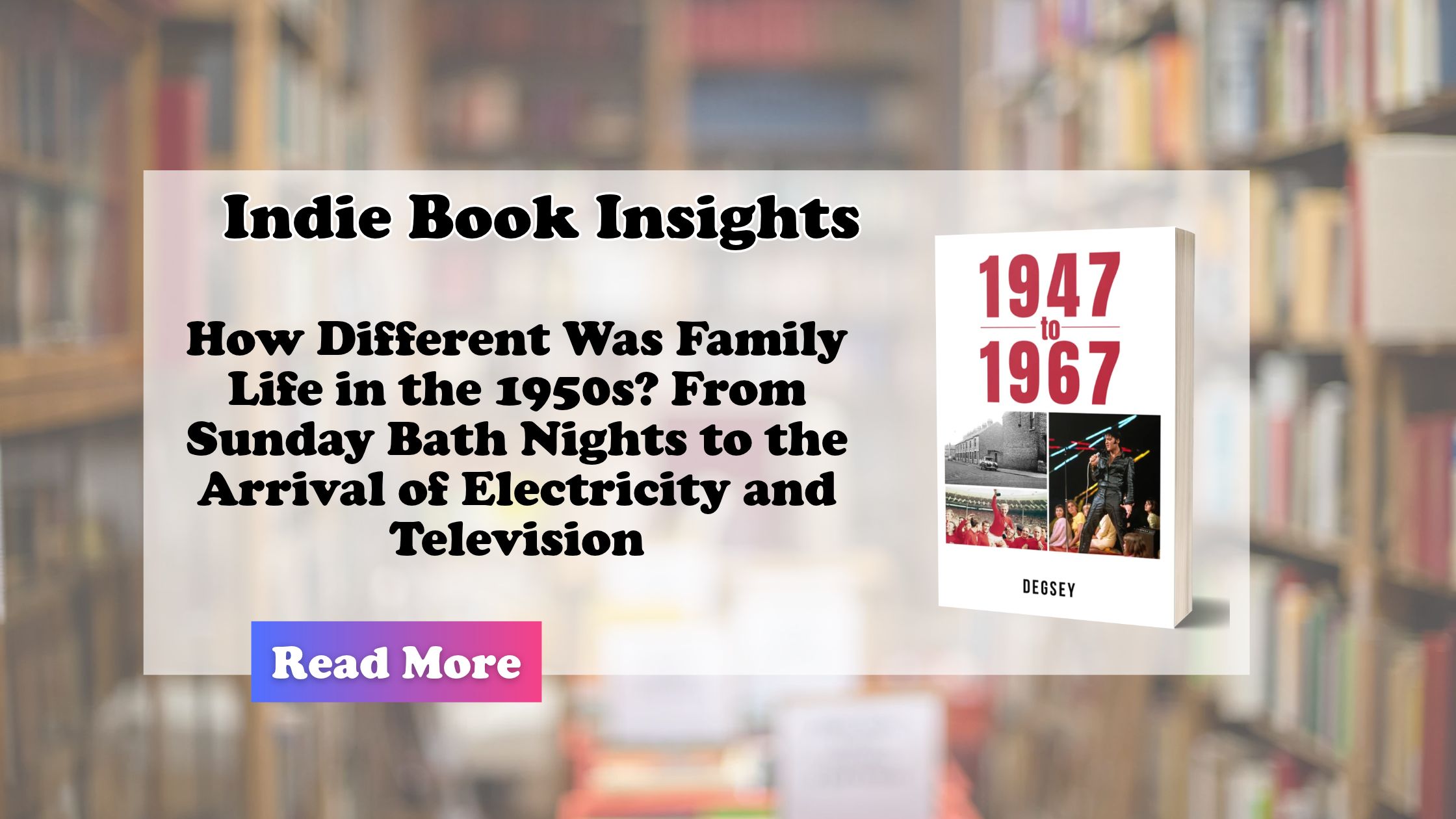
In his upcoming book, Albert Hill in Darlington 1947 to 1967, author Degsy takes readers back to his childhood in post-war Darlington. Through entertaining memories, humorous observations and fascinating photographs, he reveals how ordinary families managed daily responsibilities, celebrated small pleasures and built unforgettable memories.
Sunday Bath Nights: When One Bathtub Served the Entire Family
Forget luxurious bathrooms, hot showers and unlimited warm water. For Degsy’s family, Sunday evening meant one thing: bath night!
His father would bring the bathtub from the outhouse while his mother heated several pans of water on the gas stove. Then came the challenge of bathing five children using the same water.
Unfortunately for Degsy, his four sisters always went first. By the time his turn arrived, the water was barely lukewarm and, as he humorously recalls, looked as though it had come straight from the River Skerne.
Although these arrangements might surprise modern readers, they illustrate the practical challenges families faced without today’s household conveniences.
When Electricity and Television Changed Everyday Life
Today, switching on a light requires almost no thought. However, when electricity reached Degsy’s family home around 1954, it felt like an extraordinary development.
He remembers returning from school when his mother proudly demonstrated their new electric light. Nevertheless, she immediately warned him against touching the switch unnecessarily because every moment of electricity cost money.
Television arrived considerably later. Around 1963 or 1964, Degsy’s family finally acquired their first television after his father won some money through a workingmen’s club draw.
His mother used part of those winnings to place a deposit on a rented television from Rediffusion. What seems ordinary today represented an exciting milestone for the entire household.
Simple Meals, Strict Rules and Hardworking Parents
Family life in 1950s Darlington revolved around practicality, discipline and making the most of available resources.
In Degsy’s household, breakfast usually meant porridge or toast, while evening meals often included potatoes, vegetables and gravy. Beef appeared occasionally, alongside traditional favourites such as mince, kippers and fried bread with eggs.
Meanwhile, parents maintained firm expectations. Children attended church when instructed, respected mealtimes and returned home when told. Degsy also earned money through small jobs, including helping at a local farm and working on a milk round.
These everyday experiences reveal how responsibility and family routines shaped childhood long before modern technology transformed domestic life.
Rediscovering the Heart of British Family Life
Despite limited financial resources and household comforts, Degsy remembers Albert Hill as a wonderful place to grow up.
Neighbours helped one another, families stayed close and children found endless outdoor entertainment. Furthermore, the community’s shops, churches and workingmen’s clubs created a strong sense of belonging.
Through these memories, Albert Hill in Darlington 1947 to 1967 offers more than an entertaining glimpse into Britain’s past. It celebrates resilience, family connections and the simple experiences that made childhood meaningful.
Scheduled for publication soon, Degsy’s nostalgic memoir invites readers to rediscover a remarkable generation and explore how family life has changed over the decades.
Want To Discover More? Head Over To Our Website: https://www.librarything.com/profile/DEGSEY