

For generations, healthcare has often followed a familiar pattern: the provider diagnoses, recommends and treats, while the patient listens and follows instructions.
That model may work well for an acute problem that can be solved with a procedure or short course of treatment. But chronic disease, long-term behavior change and preventive care demand something more.
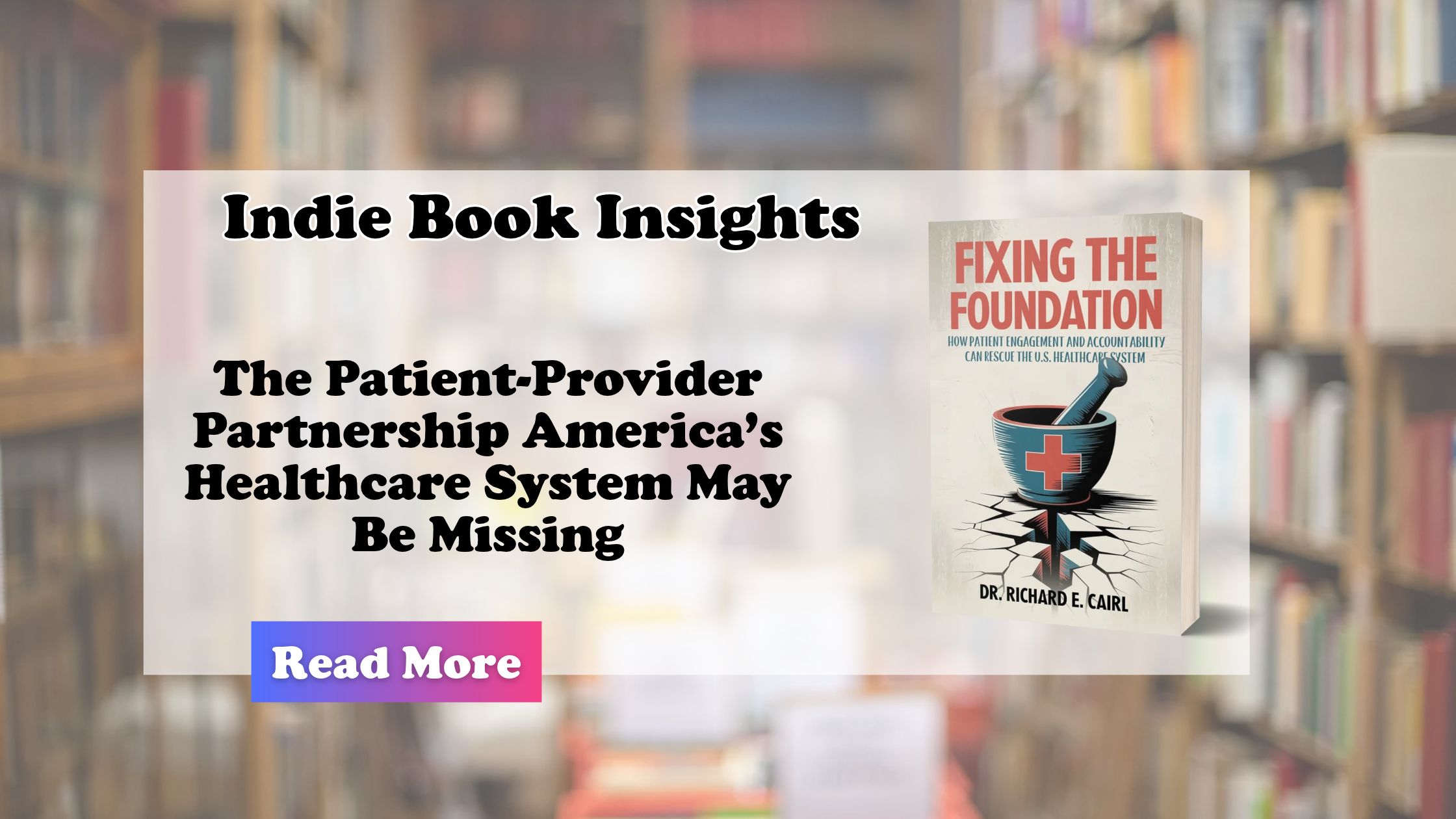
In Fixing the Foundation: How Patient Engagement and Accountability Can Rescue the U.S. Healthcare System, Dr. Richard E. Cairl argues that the future of healthcare may depend on building a stronger partnership between patients and providers.
Not a symbolic partnership. A working one.
From Treatment to Collaboration
Healthcare professionals bring clinical expertise, training and experience to the relationship. Patients bring something equally important: knowledge of their own lives, habits, values, challenges and goals.
Dr. Cairl argues that these two forms of knowledge need to work together.
A patient who understands why a treatment matters, feels heard during the decision-making process and helps shape a realistic care plan may be better positioned to follow through once the appointment ends.
This is especially important because so much of healthcare happens outside the clinic. Patients must manage medications, monitor symptoms, make lifestyle decisions, attend follow-up appointments and respond to changes in their condition.
The provider can design the plan. The patient must live it.
Communication Is Part of the Treatment
One of the book’s key themes is that patient engagement depends heavily on how healthcare professionals communicate.
Dr. Cairl discusses approaches such as shared decision-making, motivational interviewing, goal setting, teach-back and health literacy assessment. These strategies are designed to make clinical conversations clearer, more collaborative and more useful.
The goal is not simply to give instructions.
It is to make sure patients understand those instructions, have an opportunity to ask questions and feel capable of carrying the plan into daily life.
That shift can transform an appointment from a transaction into a partnership.
Patients Have Responsibilities Too
Partnership, however, is not one-sided.
Fixing the Foundation also emphasizes patient accountability. Patients can contribute by asking questions, communicating openly, participating in care decisions, following agreed treatment plans, attending appointments and taking greater ownership of behaviors that affect their health.
Dr. Cairl is careful to distinguish accountability from blame. The idea is not to punish people for becoming ill or ignore the barriers they face. Instead, accountability means recognizing that better outcomes often require effort from both sides.
Providers must support engagement. Patients must participate in it.
A More Sustainable Model of Care
Dr. Cairl argues that healthcare providers should view engagement as core clinical work rather than an optional extra. He also acknowledges that providers face real pressures, including limited time, demanding workloads and reimbursement structures that do not always reward meaningful patient interaction.
That makes system-level change essential.
Fixing the Foundation presents a vision in which healthcare is built not around passive patients and overburdened providers, but around shared responsibility, clearer communication and mutual commitment.
America may have extraordinary medical technology.
But one of its most important healthcare tools could be something far more human: a stronger partnership between the person providing care and the person living with its consequences.
Discover Fixing the Foundation: How Patient Engagement and Accountability Can Rescue the U.S. Healthcare System by Dr. Richard E. Cairl.
Available on Amazon: https://www.amazon.com/dp/B0GRCRBKB6/
Visit the Author’s Official Website: https://richardcairl.com/