
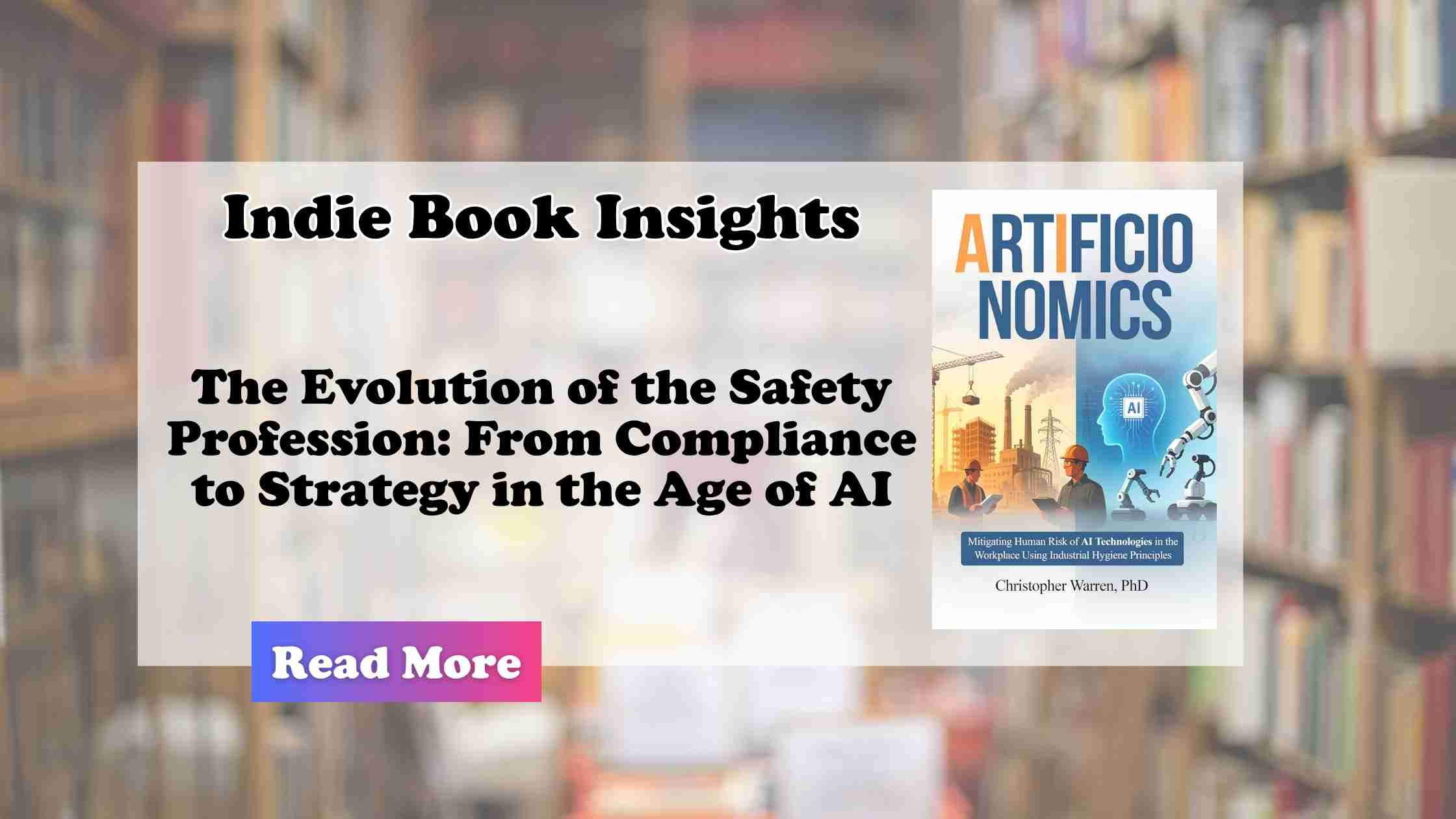
The safety profession has long been focused on ensuring that workplaces meet regulatory standards and minimizing risks that could harm employees. However, with the advent of advanced technologies, particularly artificial intelligence, the role of safety professionals is evolving. The traditional approach to safety primarily concerned with compliance—has expanded into a more strategic role that encompasses not only regulatory adherence but also the proactive integration of emerging technologies that promote a safer, more efficient workplace. This shift is explored in Artificionomics, where the intersection of AI and safety management is discussed in depth, providing insights into how safety professionals must adapt to new challenges in a rapidly changing technological landscape.
Historically, safety professionals focused on ensuring that workplaces adhered to occupational health and safety regulations. Their role involved risk assessments, identifying hazards, and implementing strategies to mitigate accidents and injuries. This compliance-based approach ensured that companies met the minimum requirements set by government bodies, but it was often reactive in nature, addressing issues only after they arose or were identified. However, as industries became more complex and technology advanced, it became clear that a more proactive, forward-thinking approach to safety was needed.
In the age of AI, the safety profession has undergone a transformation. AI technologies, including predictive analytics, machine learning, and automation, have revolutionized how safety professionals assess and mitigate risks. AI systems can now analyze vast amounts of data in real-time, identifying patterns and predicting potential hazards before they occur. This shift from reactive to predictive safety management represents a fundamental change in how safety professionals approach their work. Instead of simply following compliance guidelines, safety professionals are now using data-driven insights to develop strategies that not only prevent accidents but also enhance overall workplace safety culture.
This evolution has made the role of safety professionals more strategic. No longer confined to ensuring compliance, they are now integral to broader organizational goals, including improving operational efficiency, enhancing employee well-being, and fostering a culture of continuous improvement. AI is empowering safety professionals to take a more holistic approach, considering factors such as employee mental health, ergonomic conditions, and the broader impact of workplace culture on safety. For example, AI can track workers’ movements, monitor fatigue levels, and assess environmental conditions in real time, providing valuable information to improve safety protocols and prevent incidents before they happen.
Moreover, AI is helping safety professionals collaborate more effectively with other departments. InArtificionomics , the importance of a collaborative, cross-functional approach to safety is emphasized. Safety professionals are now working alongside IT, HR, and operational teams to create integrated systems that promote safety while also supporting business objectives. The integration of AI into safety management is not just about compliance; it’s about creating systems that align with the overall strategy of the organization, making safety an integral part of everyday operations rather than a separate, isolated function.
This shift also presents new challenges. As AI becomes more central to safety management, professionals must stay up to date with the latest technologies and learn how to implement them effectively. They must also navigate the ethical implications of AI in the workplace, ensuring that employees’ privacy and rights are respected while utilizing AI to monitor and assess safety risks. Additionally, safety professionals will need to address the potential for AI systems to perpetuate biases or errors, making it essential for them to be involved in the development and oversight of AI technologies used in the workplace.
In conclusion, the role of safety professionals is evolving in the age of AI. From a focus on compliance, the profession is shifting toward a more strategic approach, using advanced technologies to predict and prevent risks, improve workplace culture, and contribute to broader organizational goals. Artificionomics offers valuable insights into how safety professionals can adapt to this new era, emphasizing the importance of staying informed, embracing AI-driven tools, and leading the charge toward safer, more efficient workplaces. The future of safety is not just about compliance it’s about using innovation to create a safer and more sustainable environment for all.
Get your Copy Now on Amazon: https://www.amazon.com/dp/B0GFY4RL6B