Workplace safety has never been static. It has changed as tools changed, as work environments shifted, and as expectations evolved. Hard hats, lockout procedures, and exposure limits all emerged because work itself demanded new ways of thinking. Today, work is changing again, and safety must change with it.
In many workplaces, the most influential forces shaping daily tasks are no longer just machines or supervisors. They are systems. Software decides who works when. Algorithms flag risks, assign priorities, and monitor performance. Robotics and automation handle tasks that once required constant human attention. These changes bring clear benefits, but they also introduce risks that are easy to overlook.
Traditional safety programs were built to manage physical conditions. Slippery floors, moving equipment, hazardous materials. Those risks still matter, but they are no longer the full picture. Modern safety challenges often involve attention, workload, and decision making. These factors affect how people respond to hazards long before an incident occurs.
Consider how work is paced today. Digital systems can compress timelines and reduce recovery time between tasks. Workers may feel pressure to keep up with automated processes that do not slow down. Over time, this strain affects focus and judgment. A missed signal or delayed reaction may not feel like a safety issue until something goes wrong.
Monitoring is another example. Systems that track performance or behavior can improve visibility, but they can also increase stress if workers feel constantly observed. That stress influences how people act. Some may rush. Others may hesitate to report problems. These reactions are human and predictable, yet they often fall outside traditional safety assessments.
Decision making has also changed. Automated alerts and recommendations shape choices in real time. When systems are clear and well designed, they can support safer outcomes. When they are confusing or overwhelming, they can distract and mislead. Safety programs need to understand how these tools influence decisions under pressure.
This does not mean abandoning established safety principles. In fact, it means returning to them. Anticipation, observation, and control remain essential. The difference is where they are applied. Instead of focusing only on physical hazards, safety leaders must also examine how systems shape work conditions.
A new lens does not replace the old one. It adds depth. Physical safety and mental demands are connected. Fatigue increases the risk of injury. Confusion undermines compliance. Trust affects whether people speak up. Ignoring these links leaves gaps in protection.
Another reason safety needs a new lens is accountability. When decisions are influenced by systems, responsibility can feel unclear. Yet responsibility always rests with people and organizations. Safety programs must be able to explain how risks are identified, managed, and reviewed, even when technology plays a role.
The most effective safety programs of the future will be those that adapt without losing their foundation. They will recognize that work is shaped by both physical and digital environments. They will listen to workers who experience these changes daily. And they will treat emerging risks with the same seriousness as familiar ones.
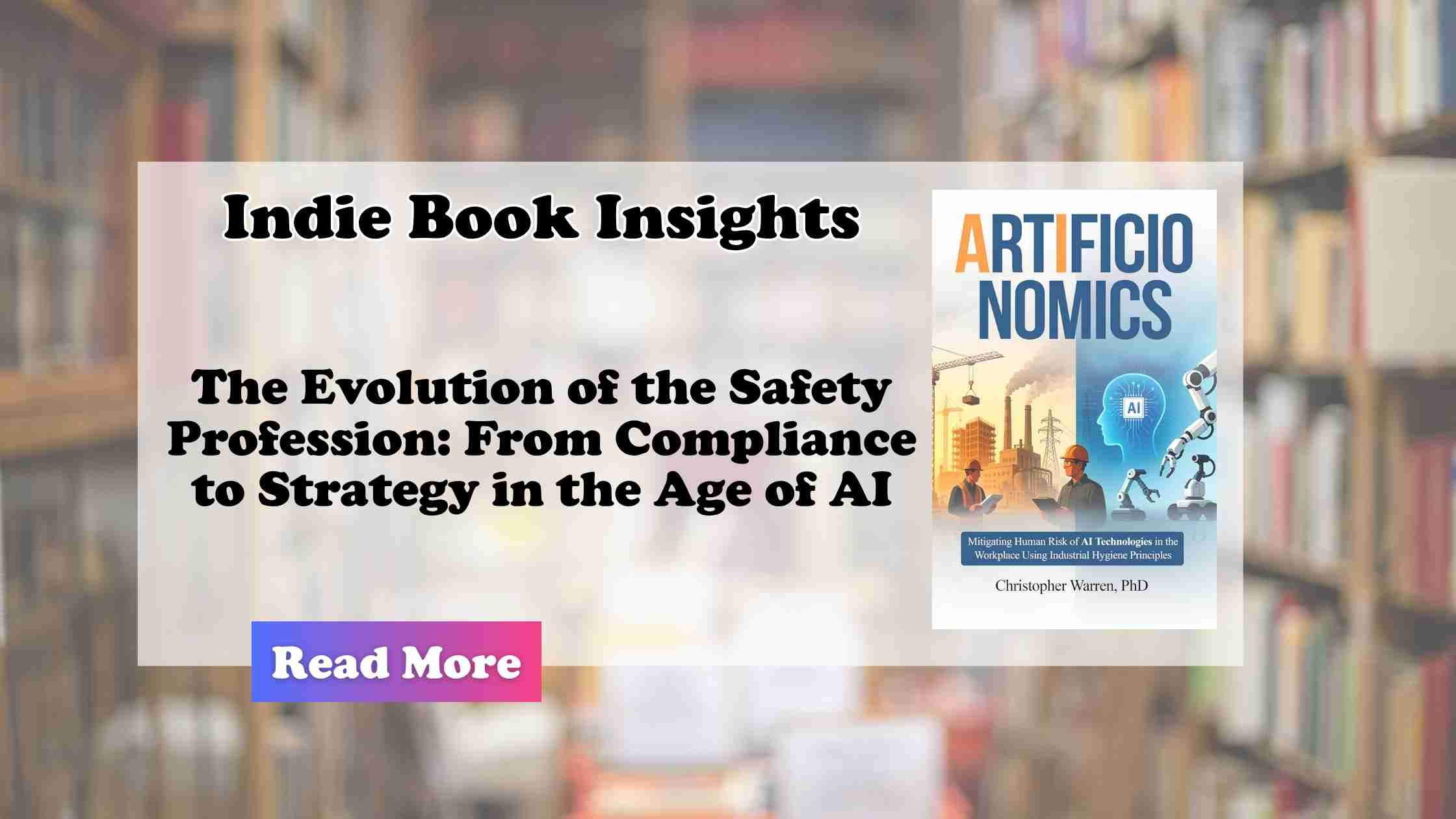
For readers looking to explore this shift in more depth, ArtificIonomics: Mitigating Human Risk of AI Technologies in the Workplace Using Industrial Hygiene Principles offers a thoughtful approach. By applying established safety thinking to modern systems, the book provides a way to expand safety’s lens without discarding what has worked for decades.
For more information and insight, please visit https://artificionomics.com/.