

It is easy to oversimplify and misunderstand the nuances of human bodies and experiences in a culture that frequently views body size via a fixed fat-thin dichotomy. This binary viewpoint ignores the wide range of body shapes and sizes that exist, in addition to reinforcing negative stereotypes. In order to promote a more compassionate and inclusive society, it is imperative to comprehend body size outside of this binary paradigm. The limitations of the fat-thin dichotomy are examined in this article, which also emphasizes the significance of adopting a more nuanced perspective on body variation.
The Limitation of the Fat-Thin Dichotomy
The fat-thin dichotomy is a simplistic model that categorizes bodies into two opposing groups: fat and thin. This binary view fails to capture the wide variety of body sizes and shapes that fall between these extremes. By focusing solely on fat and thin, we reinforce a narrow definition of body acceptance and overlook the unique experiences of individuals with body sizes that don’t fit neatly into these categories.
Additionally, this binary viewpoint supports a number of dubious presumptions. For example, it frequently associates being slim with being healthy and desirable while linking being overweight to being unhealthy and undesirable. These presumptions have the potential to cause stigma and discrimination, which can have a detrimental impact on a number of things, such as low self-esteem, mental health problems, and difficulties getting the right medical care.
Embracing Body Diversity
To move beyond the fat-thin dichotomy, it is essential to recognize and celebrate body diversity. Human bodies exist on a spectrum, with a wide range of sizes and shapes, that are all valid and deserving of respect. Embracing this diversity means acknowledging that there is no one “ideal” body type and that each individual’s body is unique and valuable.
Putting an emphasis on inclusivity and body positivity is one way to comprehend body variety. People who practice body positivity are encouraged to value their bodies and resist social pressure to fit into a predetermined size or shape. It advances the notion that all bodies are worthy of acceptance and respect, regardless of size.
Inclusive practices in media, fashion, and healthcare also play a critical role in recognizing body diversity. By featuring a broader range of body types in media representations and offering clothing and healthcare options that cater to various sizes, society can challenge the dominance of the fat-thin binary and promote a more inclusive understanding of body size.
The Role of Intersectionality
Intersectionality—the way that many social identities, such as race, gender, and socioeconomic class, intersect with body size to affect individual experiences—must be taken into account in order to understand body size beyond the fat-thin dichotomy. The experiences of overweight people, for example, might vary greatly depending on their gender or color, underscoring the need for a more nuanced perspective on body size.
Intersectional analysis can help uncover how different forms of discrimination and privilege impact people’s experiences with body size. For example, fatness can intersect with race to produce unique challenges and stigmatization that are not fully addressed by a simple fat-thin binary. By acknowledging these intersections, we can develop more comprehensive and effective strategies for addressing weight stigma and promoting body acceptance.
Moving Forward: Towards a More Inclusive Perspective
It’s critical to reject the constraints of the fat-thin dichotomy and embrace the whole range of body variety in order to foster a more inclusive viewpoint on body size. This entails advancing inclusive practices, body acceptance, and taking intersectional variables into account that impact people’s experiences with body size.
Educational initiatives, public awareness campaigns, and policy changes can all contribute to shifting societal attitudes and fostering a more inclusive understanding of body size. By moving beyond the binary and celebrating the diversity of human bodies, we can work towards a society that values and respects individuals of all sizes and shapes.
Conclusion
The fat-thin dichotomy presents a constrained and frequently detrimental viewpoint on body size. By broadening our comprehension to include the entire range of body diversity, we can dispel misconceptions, advance body acceptance, and build a more welcoming community. Individuals gain from accepting body diversity, and it also broadens our knowledge of what it means to live in and value a world of varied bodies.
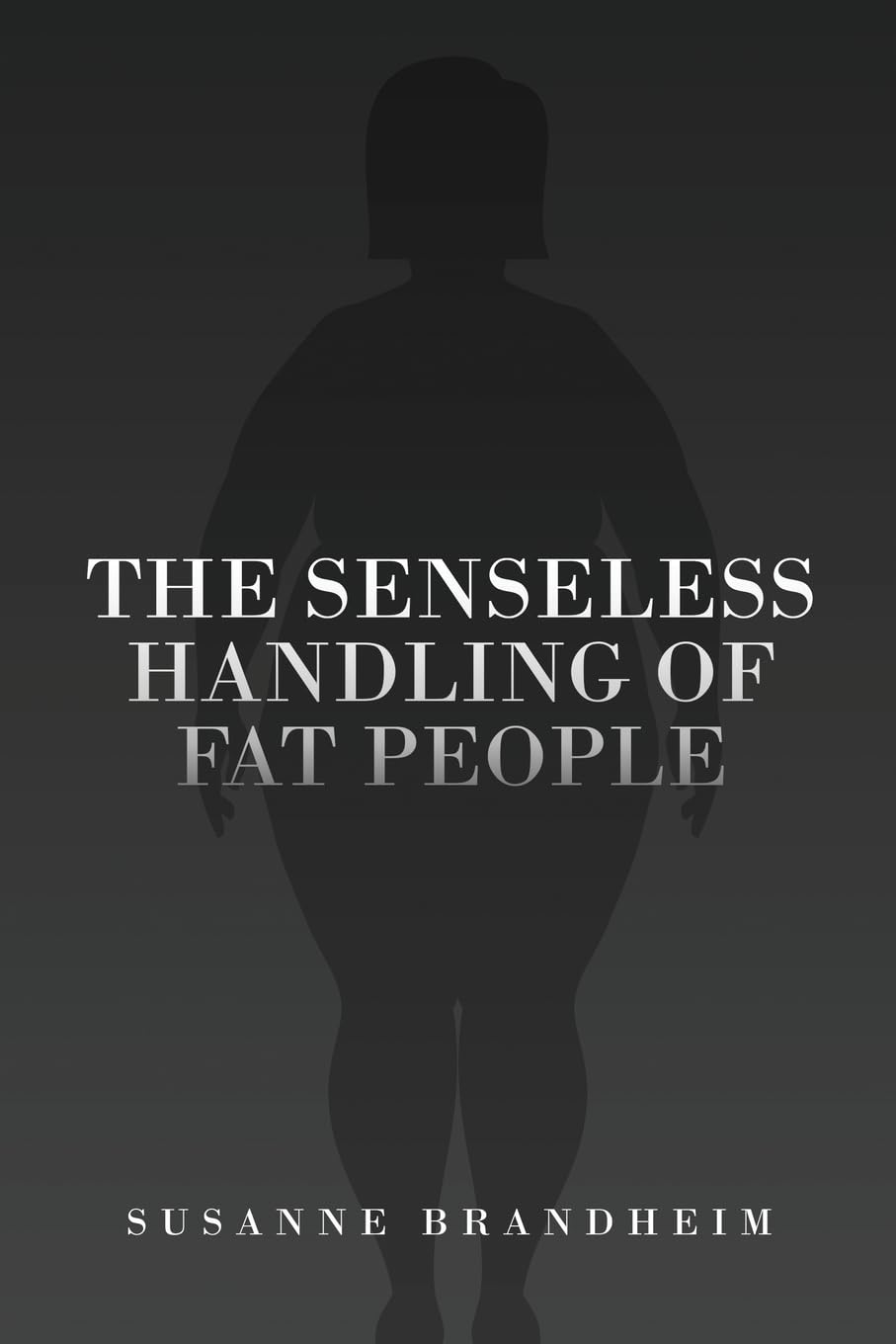
Discover a new perspective on body size with Susanne Brandheim’s THE SENSELESS HANDLING OF FAT PEOPLE. This groundbreaking book goes beyond the simplistic fat-thin dichotomy, offering a deeper understanding of body diversity and challenging harmful stereotypes. Brandheim’s insightful analysis uncovers how societal views on body size impact mental health and well-being, advocating for a more inclusive approach to body acceptance. If you’re ready to broaden your understanding and promote a more compassionate view of body diversity, this book is essential. Get your copy today from here: https://amz.run/9Ili and join the movement towards embracing all body sizes with respect and empathy.