
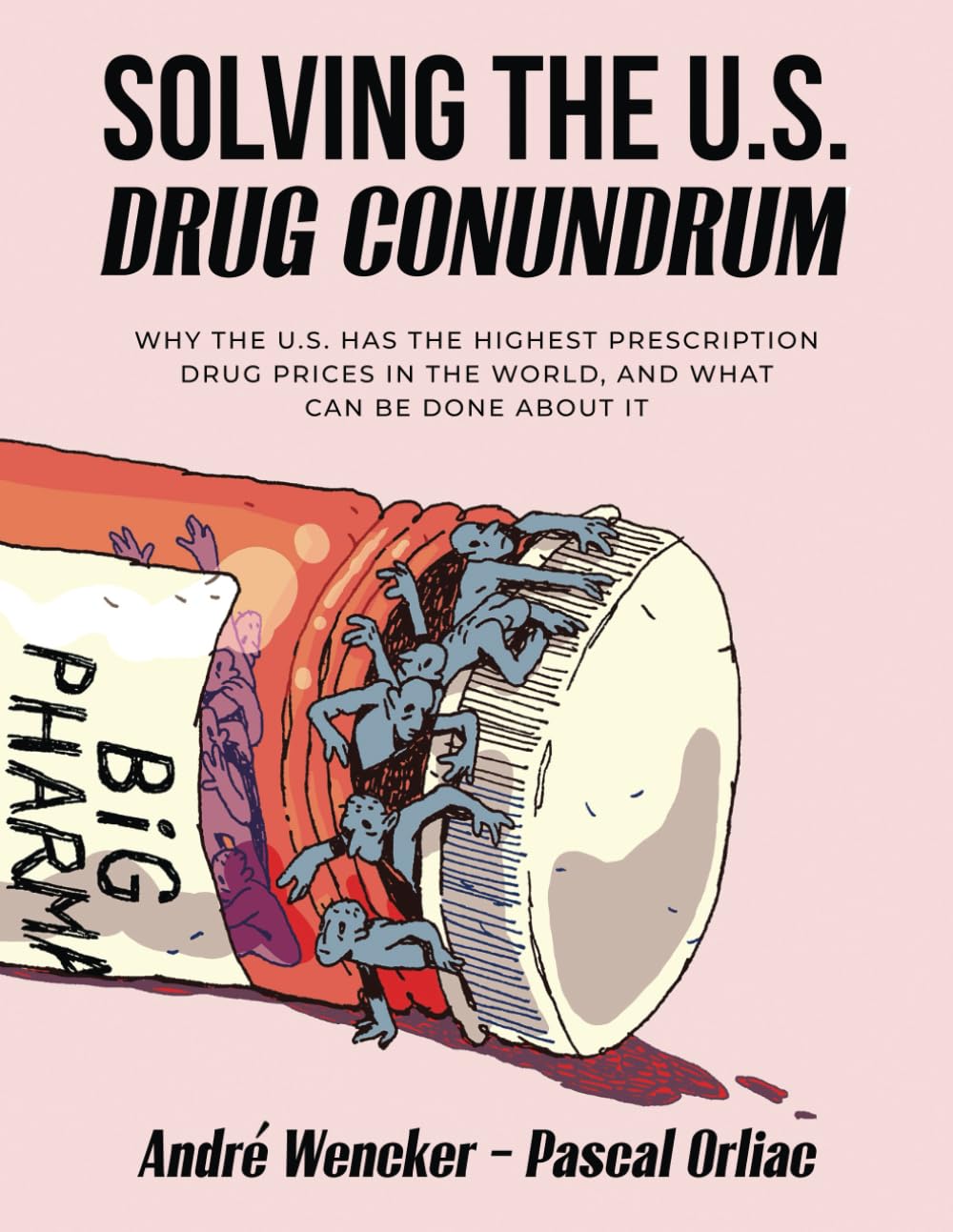
Why have citizens been fooled for years by these Big Pharma? The pharmaceutical industry is unlike any other when it comes to market control, revenue generation, and intellectual property protection. At the core of this system lies the patent model, a mechanism designed to safeguard pharmaceutical innovations for a limited period. However, as highlighted in Solving the US Drug Conundrum by Andre Wencker and Pascal Orliac, drug companies not only use patents to protect intellectual property but also to extend monopolies, maintain high drug prices, and drive aggressive marketing campaigns known as “evergreening,” which hinder competition.
The Power of Patents in Pharmaceutical Economics
A pharmaceutical patent grants a company exclusive commercial rights over a drug for 20 years, preventing competitors from manufacturing or selling the same product without permission. This exclusivity enables pharmaceutical giants to set their pricing strategies and reap enormous financial rewards before generics or biosimilars enter the market.
Yet, despite a 20-year patent term appearing generous, the actual period of commercial exclusivity is shortened by the lengthy clinical trial process. On average, 8.6 years are spent navigating rigorous trials before the drug reaches consumers, leaving only a fraction of the patent life for the company to maximize profits. To counteract this, companies employ strategies such as Supplementary Protection Certificates (SPCs), evergreening tactics, patent thickets, and regulatory loopholes to extend exclusivity well beyond 20 years.
Marketing Costs: The Hidden Barrier to Competition
As patent expiration looms, pharmaceutical companies adopt another powerful tool to maintain dominance: skyrocketing marketing expenses. The logic is simple: if a company cannot legally prolong its monopoly through patents, it can still outspend its competitors in advertising and physician outreach to maintain brand loyalty and deter patients from switching to generics.
A prime example is direct-to-consumer advertising (DTCA), a controversial yet highly effective practice that the United States is the only nation, with New Zealand, to permit. Companies flood media channels with persuasive marketing campaigns, ensuring their drugs remain household names long after generics become available. In the case of Humira, AbbVie reportedly spent over $500 million annually on advertising, making it one of the most heavily promoted drugs in the world.
Additionally, pharmaceutical companies invest heavily in physician-targeted promotions, offering incentives to healthcare providers for prescribing their branded drugs over generics. These incentives range from speaker fees and sponsored research to all-expenses-paid conferences, effectively reinforcing brand preference among doctors.
The High Cost of Prolonged Market Control
When patents and marketing expenditures combine forces, they create a prolonged and artificial monopoly, preventing fair competition and keeping drug prices unnecessarily high. The result? Patients and healthcare systems shoulder the burden of inflated costs while companies continue to profit at unprecedented levels.
The book Solving the US Drug Conundrum exposes the industry’s reliance on patent thickets, a practice where companies file numerous secondary patents (on formulations, dosages, or delivery methods) to block generic competition. This strategy not only extends exclusivity but also forces generic manufacturers into risky, long, and costly legal battles that further delay market entry.
The pharmaceutical industry’s intricate patent and marketing systems have allowed companies to dominate the market for decades. However, by implementing transparency measures, enforcing patent reforms, and regulating excessive marketing expenditures, policymakers could create a more competitive and affordable healthcare system. But here enters “regulatory capture”, a savvy name for corruption.
Conclusion
The US drug pricing crisis results from calculated strategies that extend monopolies and keep prices artificially high. A House Committee on Oversight and Reform investigation established that companies specifically targeted the US for its loose regulations, with the top management being rewarded for their capacity to extract more money from the US market. Finally, while patents were designed to protect innovation, their exploitation has led to delayed access to affordable medication and an overwhelming dependence on marketing to sustain market dominance. The key to a sustainable healthcare future lies in dismantling these artificial barriers, promoting fair competition, and ensuring that life-saving medications are accessible to all.






1 thought on “The High Stakes of Pharmaceutical Patents: Market Control and Rising Marketing Costs”
Very good https://is.gd/N1ikS2