
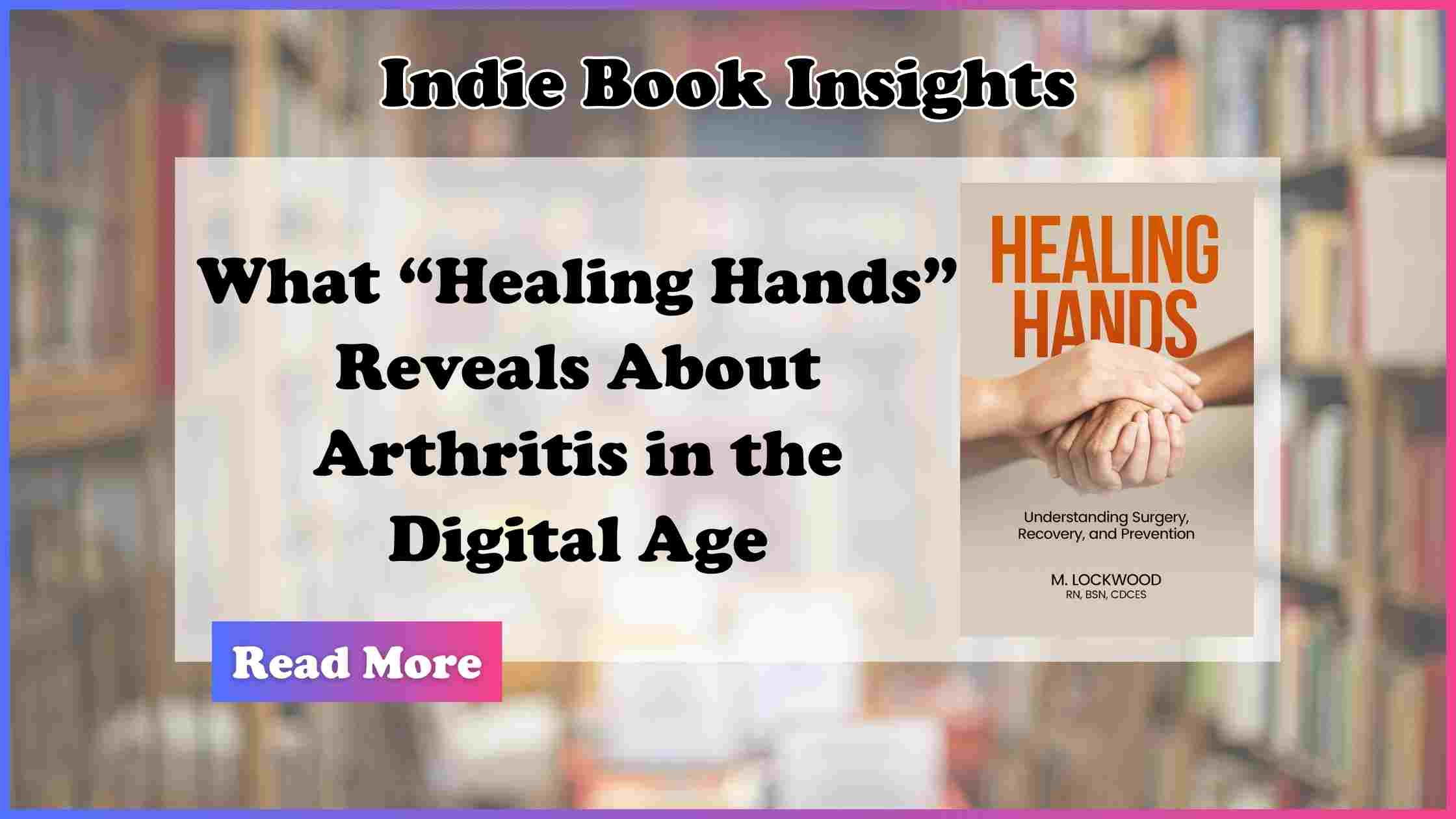
Have you ever thought about how many times you use your hands each day—scrolling, typing, texting, gripping, pinching, or even just flexing them without realizing it? According to Healing Hands: Understanding Surgery, Recovery, and Prevention by Merry Lockwood, the story of arthritis is not just about aging joints. It’s about how modern life is reshaping the future of our hands—and not for the better.
Merry Lockwood takes us on a thoughtful journey into the risk factors behind hand arthritis, grounding her insights in science but writing with the compassion of someone who has seen the damage up close. She explains that age is often the first finger pointed at arthritis, but it’s not just getting older that makes our joints hurt—it’s how we live while we age. Decades of stress on the joints, often through repetitive motion, lack of mobility breaks, or poor ergonomics, may be the hidden drivers behind the statistics.
What’s particularly fascinating is Lockwood’s exploration of gender differences. Women seem more prone to developing hand problems. Lockwood speculates this may be tied to hormonal changes that cause ligaments to become looser, increasing the movement and wear of joints. More movement isn’t always better—it can mean more friction and damage when joints aren’t properly aligned or supported.
But what really sets this book apart is Lockwood’s look into our tech-dominated lifestyles. We’re typing and swiping more than ever. And the real kicker? Kids are starting young—some as early as one year old. Lockwood raises an important and unsettling question: if today’s retirees are developing arthritis after 40 years of computer use, what will happen to a generation raised with screens in their cribs?
She ties these insights into occupational risks too. If you’re a musician, data analyst, or software engineer, your hands are under constant strain. And it’s not just about doing your job—it’s about doing it the same way every day, without variation or recovery. That’s a recipe for cumulative joint trauma, Lockwood warns.
But it’s not all doom and gloom. Lockwood offers hopeful and actionable advice for prevention. She champions ergonomic habits, hand strengthening routines, and especially awareness, both at the individual and societal levels. Parents, schools, and workplaces all have a role to play in fostering hand health. It’s not enough to wait for the pain to start—proactive care is key.
Healing Hands also provides valuable insight into surgical solutions and post-operative recovery. Whether you’re considering treatment options or simply want to understand the anatomy of healing, Lockwood’s approach is practical, clear, and deeply encouraging.
This book is more than a manual for pain relief—it’s a wake-up call. It urges us to take a closer look at how we use our hands, how early exposure to tech is changing joint health, and what we can do to preserve our ability to move freely in the years to come.
So, the next time you tap out a text or play a few rounds of your favorite mobile game, take a moment to stretch, adjust your posture, or simply rest. As Healing Hands reminds us, your hands are your lifeline. Treat them with the care they deserve—before arthritis does.