We all carry things that weigh us down. Be it grief, resentment, betrayal, or shame, we all have our days of misery and pain, when the world seems to fall apart into millions of pieces.
Sometimes they’re small enough to ignore and can heal with time. But, most of the time, they feel like bricks tied to our ankles. But here’s the truth: healing begins when we finally learn to let go.
Trauma and pain tend to keep us stuck in a cycle. We relive old conversations, replay hurtful memories, and carry anger toward people who may never apologize. The longer we hold onto these things and the past, the heavier it gets. Once it is jumbled up, this pain can begin to shape how we see ourselves, others, and the world. It becomes our identity.
But what if we could choose to let go?
Letting go is not forgetting. It’s not pretending something didn’t happen or excusing what someone did. Letting go means releasing the power that pain has over your life. It’s choosing peace over bitterness, growth over resentment.
Letting go begins with acknowledgement. You can’t release what you refuse to face. You must name the pain, grieve the loss, and accept that you can’t change the past. From there, the real work begins.
The process is slow. You may take two steps forward and three back. That’s normal. Letting go is not a single decision. Instead, it’s a mindset. It’s waking up every day and saying, “I’m not carrying this anymore.”
One way to start is through journaling. Write down what you’re holding onto. Whose face comes to mind when you feel angry? What event keeps replaying in your mind when you try to sleep? Let the page carry the weight for a while.
Another powerful tool is therapy or mentorship. Sometimes, we need someone to walk beside us and remind us that we’re not alone. A good guide won’t fix your pain—but they’ll help you see that you’re strong enough to move through it.
Letting go also requires gratitude for yourself and others. No one heals perfectly. You’ll have days when the old wounds sting again. That doesn’t mean you’ve failed—it just means you’re still human. Keep going.
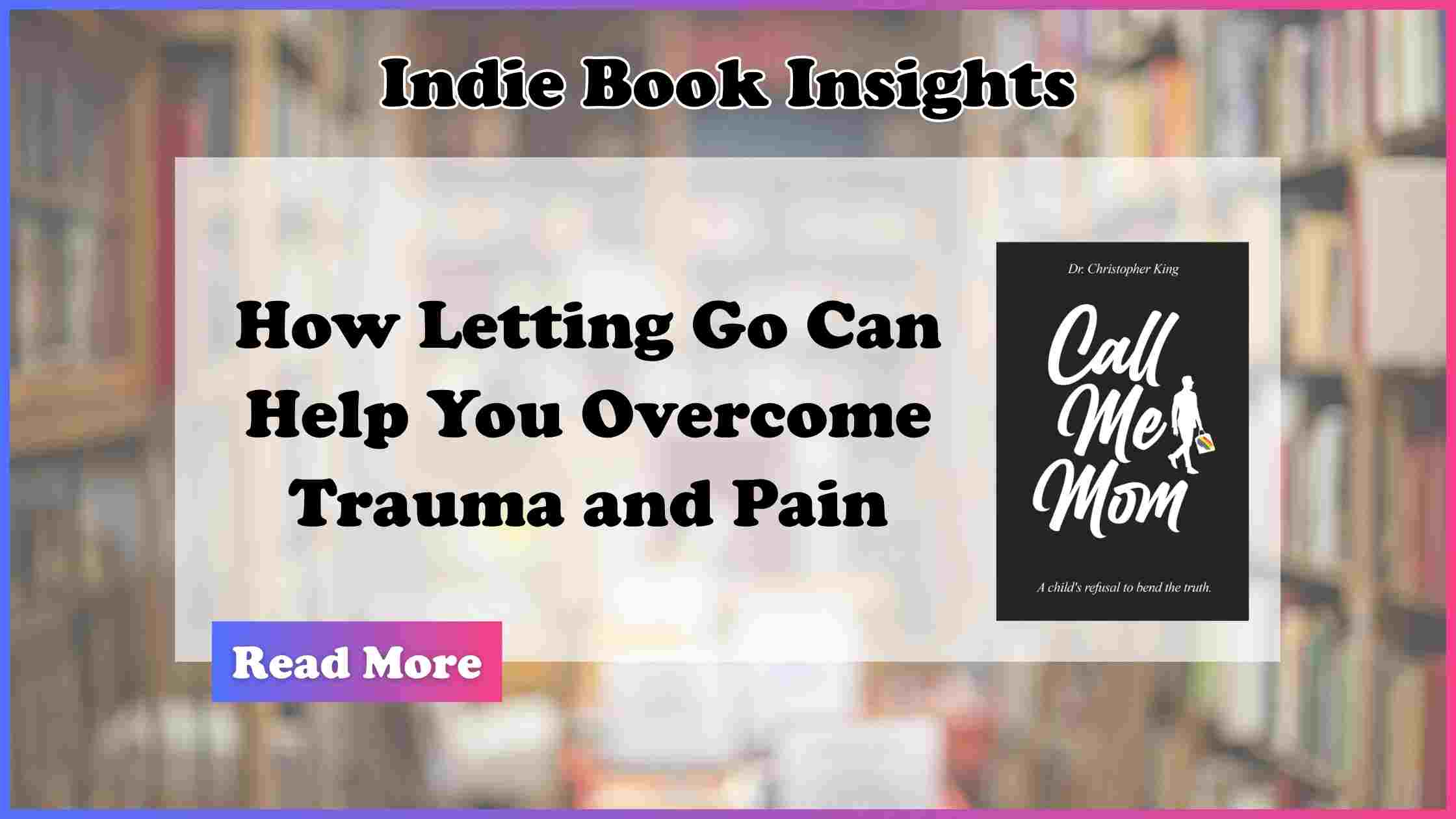
In Call Me Mom: A Child’s Refusal to Bend the Truth, Dr. Christopher King tells the story of a child whose entire world was flipped upside down by a parent’s transition. For years, he carried anger, humiliation, and grief. He used drugs to numb the pain. But eventually, he learned to let go, not by denying what happened, but by confronting it and releasing its grip on his life.
His story is proof that healing doesn’t come from control. It comes from surrender. If you’re carrying pain from the past, this book might just be the permission you need to begin your own journey of release.
Here is a link to purchase his book and learn how you can embrace letting go and forgive yourself and others to attain peace and renewal: https://www.amazon.com/dp/1968296212.