

DNA, or deoxyribonucleic acid, is a molecule that carries the genetic information that defines an organism’s traits, such as physical appearance, health, and behavior. It is the building block of life and plays a crucial role in many aspects of our lives.
- Medical Science
One of the most important applications of DNA is in medical science. DNA analysis is used to diagnose genetic disorders and inherited diseases, such as cystic fibrosis, sickle cell anemia, and Huntington’s disease. DNA testing is also used to determine paternity, as well as to match organ donors with recipients. With advancements in DNA technology, scientists are now able to use genomic sequencing to develop personalized medicine, which takes into account an individual’s genetic information to provide more effective treatments.
- Determing Paternity
DNA analysis is a powerful tool for determining paternity because it allows scientists to compare genetic material from different individuals and determine the likelihood that they are biologically related. DNA is passed down from parent to child, so children will inherit half of their DNA from their mother and half from their father. In particular, the male Y-chromozome is passed through generations fo males in the same family nearly unchanged. Therefore, by comparing the DNA of a male child with the DNA of a potential father, it is possible to determine the probability that the man is the biological father of the child. DNA source material was limited to blood and organ tissue, but in the last ten years, bone marrow and teeth have become standardized as rich sources of DNA material, especially the latter for identification of people buried long ago, accident and burn victims.
- Criminal Investigation
Another important use of DNA is in criminal investigations. DNA profiling, also known as DNA fingerprinting, is a powerful tool for law enforcement agencies to solve crimes. DNA evidence can link a suspect to a crime scene, exonerate an innocent person, and provide new leads in cold cases. In addition, DNA analysis is used in wildlife conservation efforts to track the movement and genetic diversity of species and in agriculture to improve crop yields and disease resistance.
- Evolution
DNA research has also provided significant insights into the evolution and the origin of species. The study of DNA has shown that all life on Earth is related through common ancestry and that species have evolved over millions of years through natural selection and genetic variation. This knowledge has helped us to understand the relationships between different species and the processes that have shaped the diversity of life on our planet.
- Public Health
In recent years, the study of epigenetics has shown that DNA is not just a static blueprint but that its activity can be modified by environmental factors, such as diet, stress, and exposure to toxins. These modifications can lead to changes in gene expression that can influence an individual’s health and well-being, as well as that of future generations. This has important implications for public health and environmental policies, as well as for our understanding of the interplay between genetics and the environment.
Conclusion
In conclusion, the importance of DNA cannot be overstated. DNA is the foundation of life and plays a critical role in many aspects of our lives, including medical diagnosis, criminal investigations, evolution and conservation, and public health. The study of DNA has revolutionized our understanding of the world around us and has the potential to provide new insights and solutions to some of the most pressing challenges facing humanity.
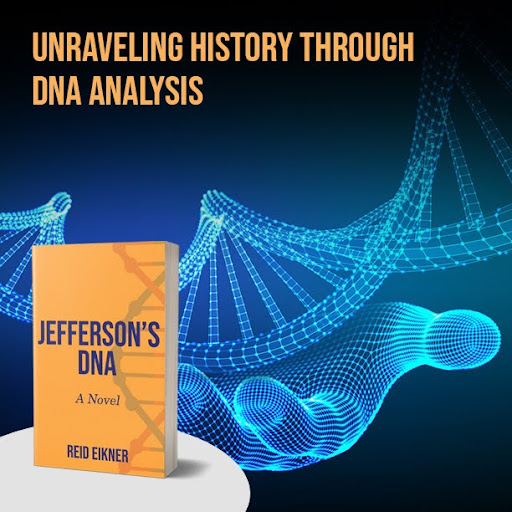
It is clear that DNA research will continue to play a crucial role in shaping our future and improving our lives. As technology advances and our understanding of DNA expands, we can expect to see even more exciting developments in the years to come. You can learn about the importance of DNA in the book Jefferson’s DNA. The book shares the story where they are on a hunt to extract the DNA of a body that has been buried. Read the story to explore some unknown facts about DNA.