
For decades, global academic discussions surrounding human nature, ethics, and theology have been filtered through Western intellectual frameworks, which arguably have detained us from being our true selves. While these traditions have offered much, they struggle to address the profound alienation and fragmentation plaguing modern society and overlook aspects that we need to address willingly in this chaotic era, where everyone is racing them to win the blame game and becoming a perfectionist.
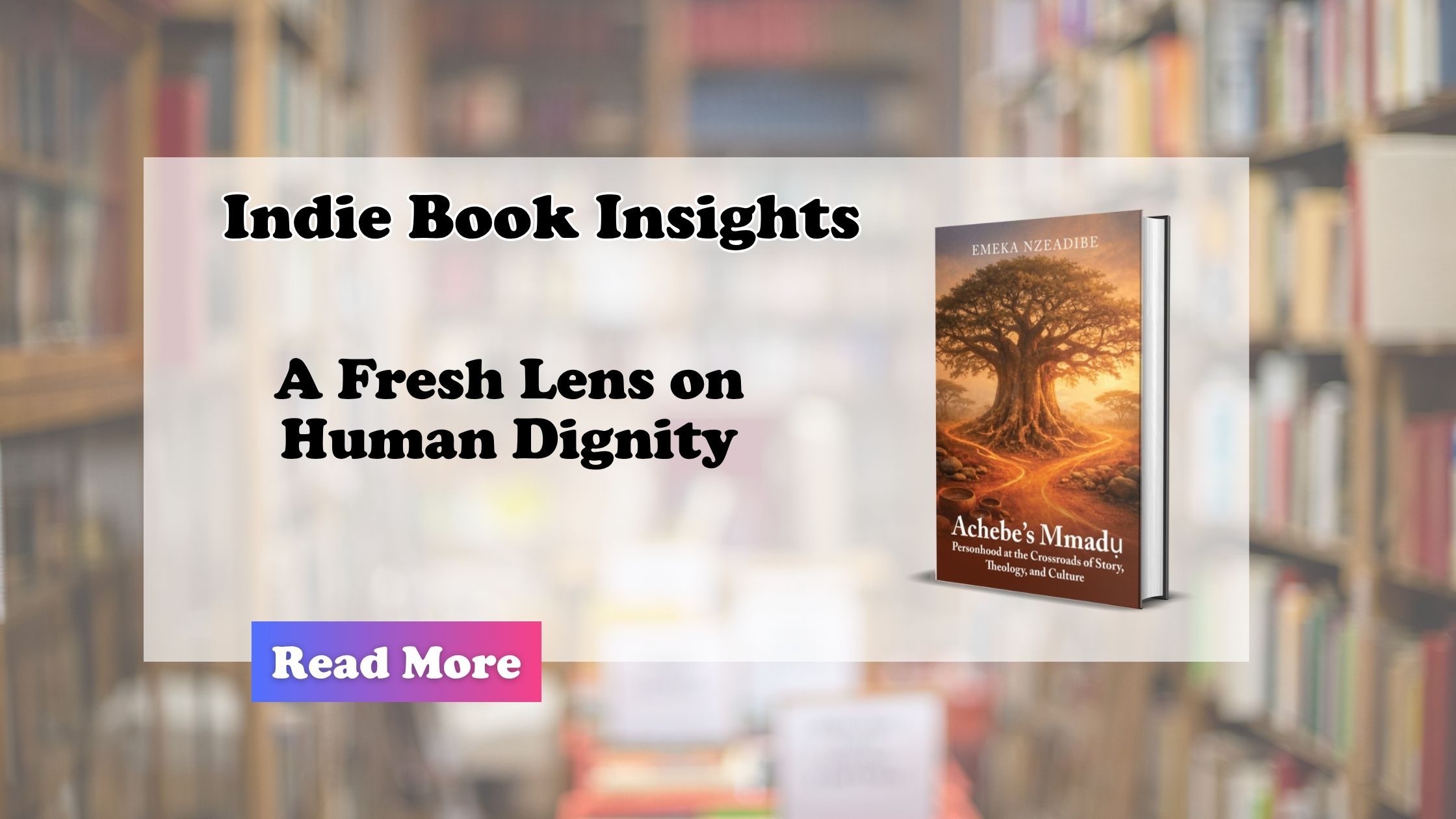
To shatter this, Achebe’s Mmadụ: Personhood at the Crossroads of Story, Theology, and Culture offers a groundbreaking monograph. Authored by Emeka Nzeadibe, this study reorients our perspective by plumbing the depths of Chinua Achebe’s fictional worlds and traditional Igbo cosmology; it opens a rich, vibrant landscape where literature, culture, and theology intimately converge.
A central pillar of Nzeadibe’s exploration is the interplay between Mmadụ (the human person) and Chi (one’s personal spiritual double or guardian spirit). Unlike Western concepts of fate or predestination that are overwhelmed with exaggerated anecdotes, the Igbo understanding of Chi introduces a dynamic of freedom and reciprocity. It captured in the famous maxim Onye kwe, chi ya ekwe (“When one says yes, one’s chi says yes”). Nzeadibe expertly unpacks how this relationship avoids both rigid determinism and isolated individualism.
And the book walks readers through the psychological and spiritual complexities of iconic literary figures like Ezeulu in Arrow of God, showing how hubris, excessive pride, and an inflexibility toward the shifting realities of life can lead to tragic disintegration. Through these rich character analyses, the monograph illustrates that human freedom is a delicate negotiation between personal agency, communal expectations, and the overarching mysteries of the cosmos.
What makes Nzeadibe’s work different from others is its bold effort to decolonize theological anthropology. For generations, colonial discourse sought to portray African societies as primitive or devoid of deep philosophical systems. But, by disdussing and highlighting the human element in the African traditions and their many aspects, Nzeadibe dismantles these falsehoods by exposing the profound metaphysical sophistication underlying traditional Igbo life.
As a result, the book brilliantly contrasts the polytheistic, pragmatic religious consciousness of the Igbo, where gods are integrated into daily agricultural, social, and political rhythms with the sweeping transformations brought by Western colonialism and Christianity. Nzeadibe is able to build a bridge, demonstrating how indigenous African categories can deeply enrich Christian reflections on the Trinity, human rights, and the sacredness of every human life.
We can say that Achebe’s Mmadụ is much more than an academic dissertation. Upon reading this book, readers would know that it is an urgent summons. In a world constantly negotiating the tension between local particularity and global connection, Nzeadibe proposes a capacious vision of humanity that honors both difference and a shared destiny. It challenges readers to step past Eurocentric blind spots and embrace an integrated, relational understanding of personhood that values the body, the community, and the transcendent.
Emeka Nzeadibe has written a transformative book that bridges worlds. Achebe’s Mmadụ: Personhood at the Crossroads of Story, Theology, and Culture challenges us to look anew at the stories we tell and the philosophical foundations upon which we build our societies. Whether you are deeply passionate about African literature, eager to explore intercultural theology, or simply searching for a more relational understanding of what it means to be human, this book is an absolute must-read that will teach you the meaning behind being human and kind, with others and yourself as well.
Through proverbs, myths, and narratives, a culture continues to speak. Emeka Nzeadibe’s book shows that when those voices are heard carefully, they can enrich not only one community’s understanding of humanity but also the wider human conversation.
Read the book on Amazon: https://a.co/d/0363OG8A