
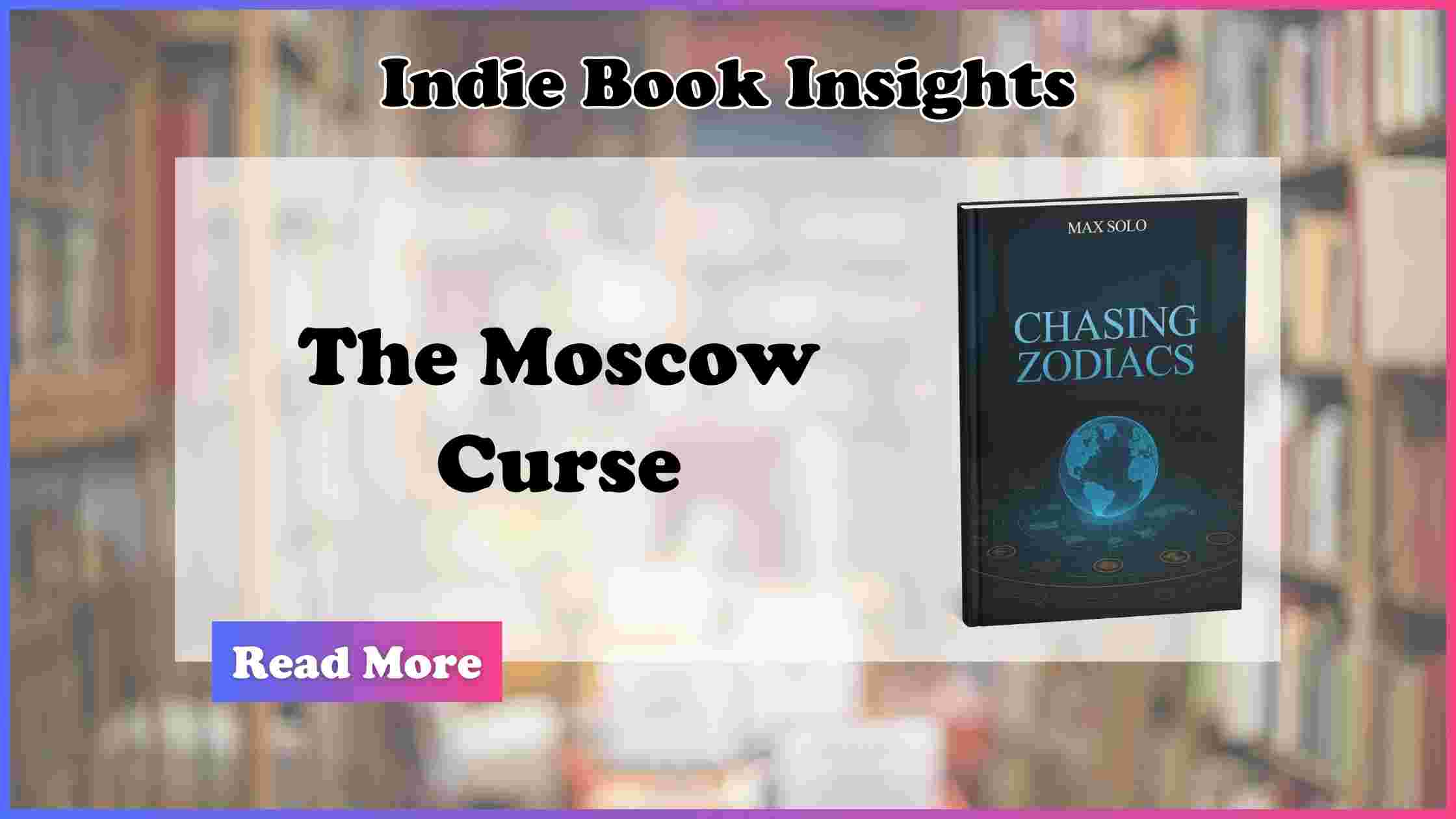
Every good story leaves something unresolved. The final pages linger in the reader’s mind, creating questions that reach beyond the last chapter. In Chasing Zodiacs, Max Solo achieves this with what might be called the “Moscow Curse.” The novel closes with a reference to a global conference in Moscow that feels both final and unfinished. It is cryptic, deliberate, and deeply unsettling, leaving us wondering what it means and why Max is the only one who understands it, and what the consequences will be.
The Moscow reference is not random. Throughout the novel, Moscow is tied to Kirill, a controlling figure obsessed with recording everything to ensure his survival. His presence symbolizes the cold, calculated power of surveillance and documentation. By ending with Moscow, Solo signals that the struggle is far from over and that the heart of the Zodiac Programme may be more rooted in global politics than readers imagined. The curse is the ongoing weight of corruption, secrets, and control that refuses to fade away.
Much of Chasing Zodiacs focuses on Max’s survival, recovery, and investigation into the Zodiac Programme. The narrative takes us through hidden syndicates, the replacement of slavery with AI-driven servitude, and the moral compromises of global elites. But with the last note pointing to Moscow, the reader realizes that everything has only been a prelude. The real battle may be about to begin, and the threads we thought were tied up are instead being pulled tighter.
This ending also gives us a reason to stay invested beyond the first book. The unanswered questions become an invitation to the sequel. What exactly happened in Moscow? Why has Kirill cursed himself ever since? And how does Max’s own identity and transformation connect with this cryptic reference? These are not small details; they are promises of bigger revelations to come.
Just as Moscow represents surveillance, secrecy, and control, the curse represents the lingering effects of corruption. Even when evidence is buried and people move on, the truth remains, waiting to resurface. This ties back to Ms Tremblay’s disappearance and the silence that surrounded it for years, shaping the present in ways we do not always see.
By ending on this note, Solo avoids the trap of neat closure. Life is not neat, and neither is the world described in Chasing Zodiacs. Instead, the ending acknowledges complexity. It demonstrates that the Program is more than just a single story and that its influence transcends national boundaries and extends into the future. This is a good enough thriller to feel full, but it’s also open enough to leave room for intrigue and anticipation.
The Moscow Curse transforms the book from a standalone thriller into the first part of a wider journey. By leaving us with questions, it ensures that we will follow Max into the next chapter, ready to see where the chase leads.
So, do you want to know more about the “Moscow Curse?” Head to Amazon to purchase your copy and read this book to learn more.