
Conversations about mental health have become more frequent in recent years as rates of anxiety, depression, and burnout are on the rise. Where social pressures, economic struggles, and the lasting effects of global crises have left many people feeling overwhelmed, awareness has grown, and so have the challenges. The question we now face is what we can do, as individuals and communities, to address the increasing concerns surrounding the various mental health issues.
One of the first steps is reducing stigma. Mental illness is still often seen as a personal weakness rather than a health issue, and that perception stops people from seeking help. By talking openly about struggles, sharing stories, and normalizing therapy and medication when needed, we can create a culture where people feel safe reaching out. Change begins with simple conversations at home, at work, and in schools.
Another step is education. Many people still do not know the signs of mental illness or the resources available for help. Public campaigns, school programs, and community workshops can give people the tools to recognize problems early. When families and friends understand what anxiety, depression, or obsessive-compulsive disorder look like, they can support loved ones more effectively. Knowledge creates empathy.
Access to care is essential. Sometimes, even willing individuals face obstacles like expense, distance, or long waits. Increasing mental health services, incorporating them into primary care, and expanding telehealth options can help more people access support. Communities should push for policies that prioritize mental health equally with physical health.
On an individual level, we can also make changes. Self-care has become a buzzword, but at its core, it is about habits that protect our well-being: regular exercise, enough sleep, balanced diets, and meaningful connections with others. Small routines can have a big impact on mental health over time. Just as importantly, creating space for humor, joy, and creativity can relieve stress and keep us grounded.
Community support matters as much as professional care. Loneliness and isolation make mental health worse, while belonging and connection can make it better. Families, workplaces, and places of worship can create environments where people feel valued and understood. Simple gestures like checking in on a friend, offering to listen, or organizing group activities can go a long way.
Finally, we should recognize that mental health isn’t about removing all stress or sadness. Instead, it focuses on resilience and the capacity to confront challenges without being overwhelmed. Developing resilience often includes humor, perspective, and embracing our quirks. Occasionally, being a bit meshugenah isn’t just normal; it’s essential.
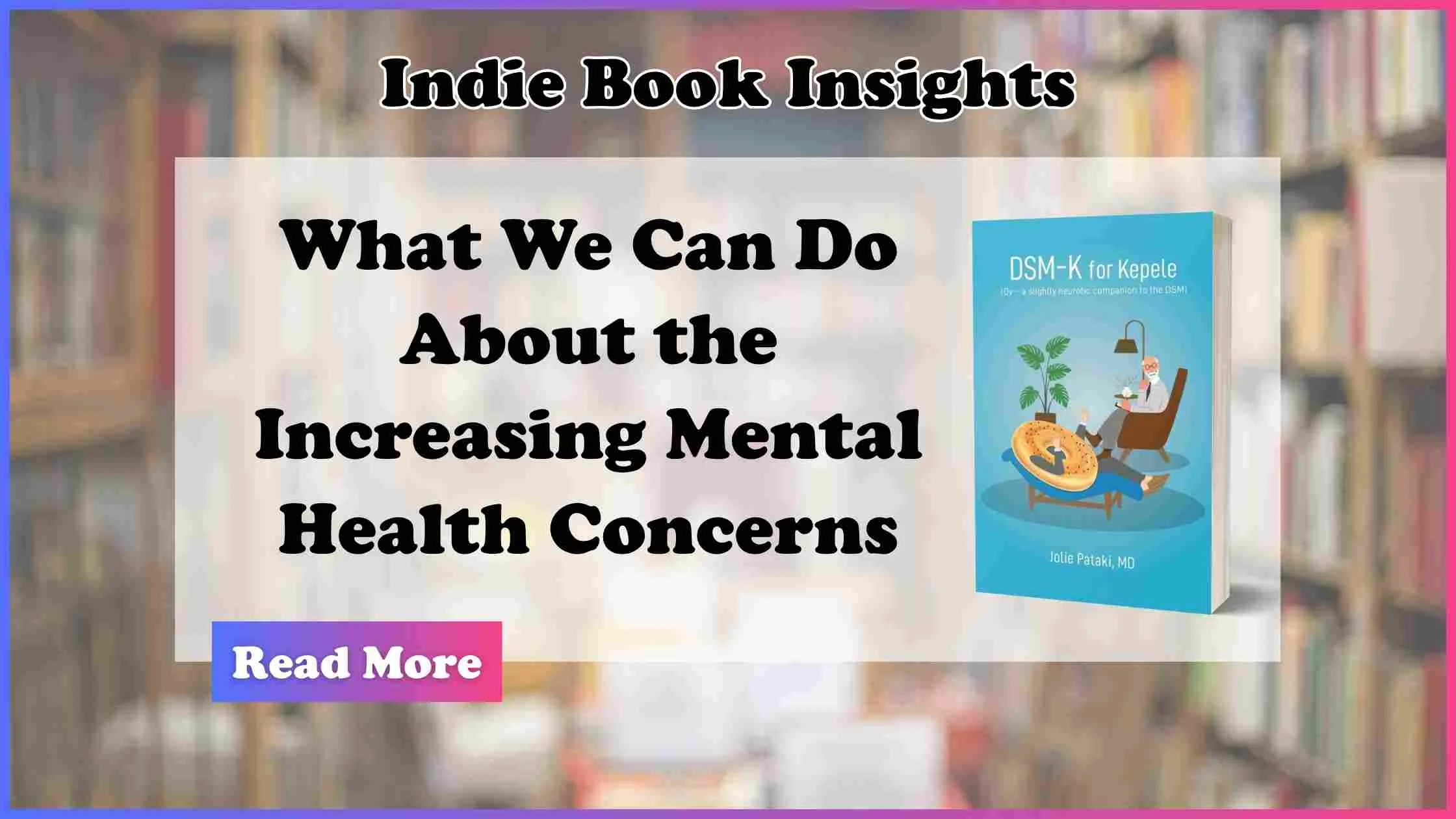
Dr. Jolie Pataki’s DSM-K for Kepele exemplifies this by reinterpreting psychiatric diagnoses through Yiddish humor, demonstrating how laughter fosters understanding. Her book highlights that quirks and mishegos are intrinsic to humanity and that humor can dissolve barriers preventing us from seeking help.
Mental health concerns will not disappear overnight. But with stigma reduced, care expanded, and humor embraced, we can face them together. Reading DSM-K for Kepele is a good place to start. It offers both insight and laughter, reminding us that even in our struggles, we are never alone.
With tongue-in-cheek “disorders” like Kvetch Disorder, Plotz Attacks, and Folie-A-Jew, Dr. Pataki pokes fun at the quirks of human nature, psychiatric practice, and cultural traditions alike. Whether you’re a mental health professional, a lover of Jewish humor, or just someone who appreciates a good “oy vey,” this book delivers insight and laughs in equal measure.
Head to Amazon to purcahse your copy: https://www.amazon.com/dp/1968966498.