
Few issues divide modern societies as sharply as immigration. For some, it represents progress, diversity, and opportunity. For others, it feels like a threat to stability, jobs, and national identity. The truth lies somewhere in between, but the argument itself has become one of the defining battles of our time.
Globalisation has reshaped who lives where. Over the past few decades, millions of people have moved across borders in search of safety, work, or a better life. The United States has seen major demographic shifts, with Hispanic and Asian populations growing rapidly. In Britain, migration from South Asia, the Caribbean, and Eastern Europe has transformed both cities and small towns. Across Europe, wars and economic hardship have driven waves of migrants from the Middle East and Africa. These movements have changed societies in ways that few governments were prepared for.
For many people, immigration has been a success story. It has filled labour shortages, fuelled innovation, and enriched culture. But for others, the pace of change has been overwhelming. Communities that once felt settled and familiar have undergone significant changes almost overnight. Schools, hospitals, and housing have struggled to cope with growing populations. Wages in some sectors have stagnated, and competition for low-skilled jobs has increased. These pressures are real, but they are often ignored by policymakers who dismiss public concern as prejudice.
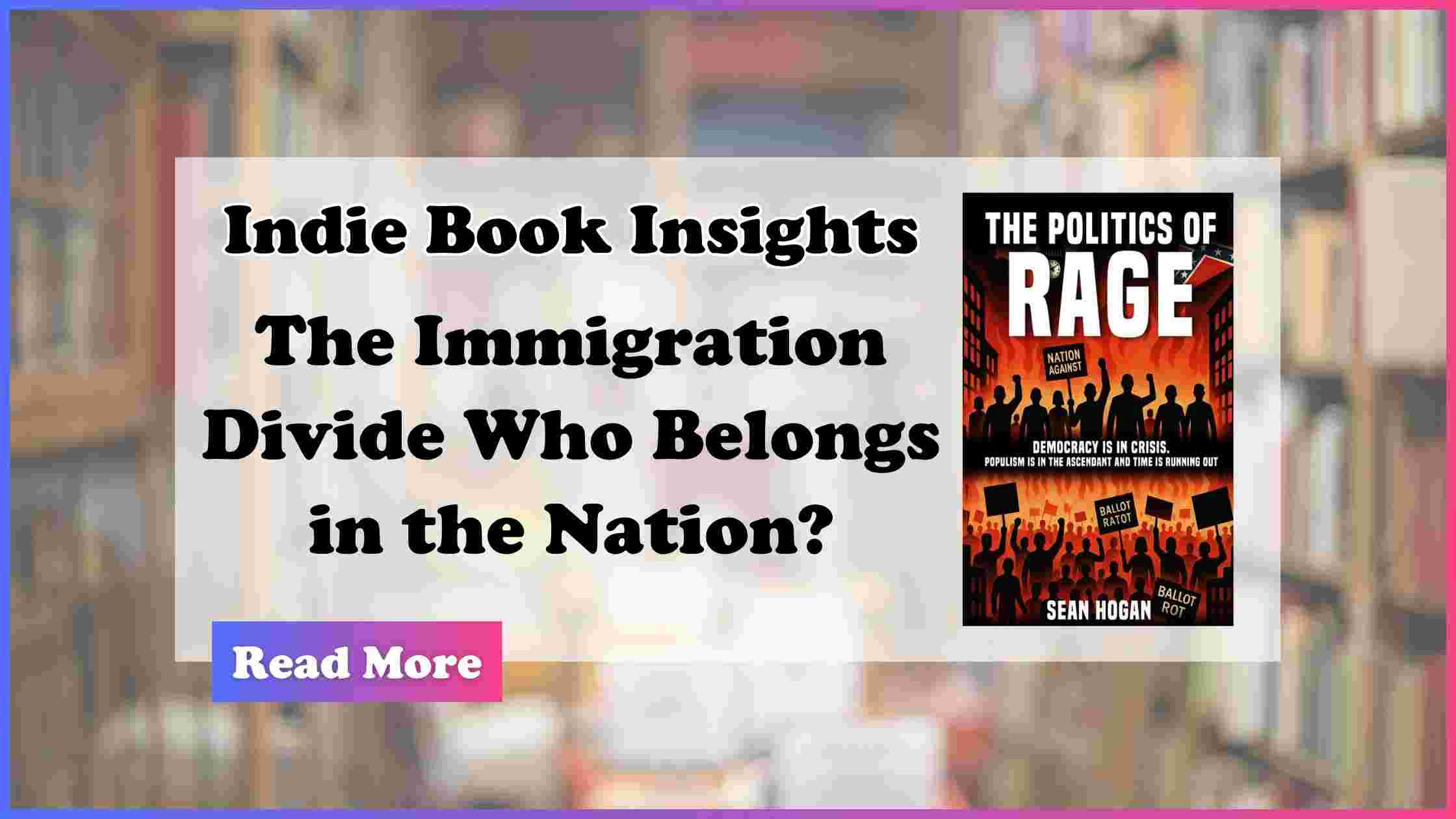
Sean Hogan writes in The Politics of Rage that this disconnect between leaders and citizens has fuelled much of the backlash. “People were told immigration was an economic necessity,” he notes, “but they were never asked if they agreed with the scale or speed of it.” This lack of consent has been the core of the divide. When people feel that decisions are being made without them, resentment grows.
Multiculturalism was meant to provide a solution. It encouraged tolerance and celebrated diversity. Yet, in practice, it has not always worked as intended. In some places, it created separate communities rather than shared ones. Critics argue that this has weakened social cohesion and made it harder to define common values. France’s decision to ban religious symbols in schools and Germany’s debate over integration policies are examples of societies struggling to balance diversity with unity.
The far right has been quick to exploit these divisions. Politicians and media outlets have pushed narratives that link immigration to crime, unemployment, and cultural decline. They claim to defend “ordinary people” against elites who impose unwanted change. Their message has resonated, particularly in rural and working-class areas that feel ignored. In these places, immigration has become the symbol of a broader loss of control.
But the story is not only about fear; it is also about identity. Rapid change has left many people uncertain about what unites them as a nation. When political leaders avoid that question, others fill the silence. The result is polarisation. One side sees patriotism as exclusion, while the other sees diversity as dilution. Both feel unheard.
Hogan warns that ignoring these tensions only strengthens extremism. He writes that “the failure to talk honestly about immigration has done more damage than immigration itself.” A healthy democracy must be able to discuss identity without fear and address public concerns without giving in to hatred. Authentic leadership means creating policies that are firm but fair, controlling borders while ensuring migrants are treated with dignity and respect.
Immigration is not a crisis, but it is a challenge that demands honesty. It asks societies to define who they are and what they stand for. That requires empathy from both sides: from those who fear change and from those who seek opportunity. The future will depend on whether nations can find unity without uniformity.
For a deeper look at how immigration has shaped modern politics and divided societies, read Sean Hogan’s The Politics of Rage. The book examines how identity, belonging, and leadership intersect in a world striving to strike a balance between openness and security.
Head to Amazon to purchase your copy: https://www.amazon.com/dp/B0FH5N8FVQ/.