
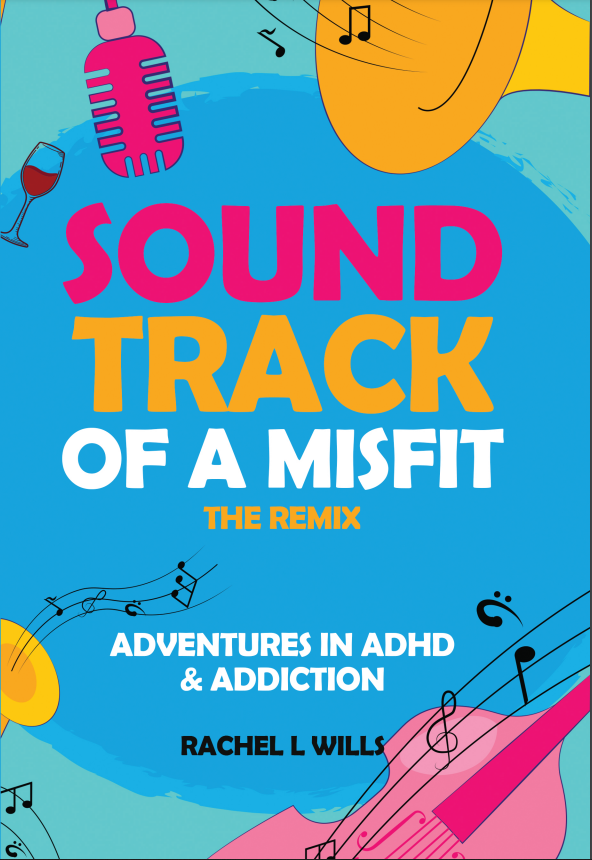
If you have ADHD and feel exhausted by trying to get everything perfect, this is worth saying plainly. You need to know that perfection is not helping you. Before unpacking why, it is helpful to read Soundtrack of a Misfit: Adventures in ADHD and Addiction by Rachel Leigh Wills. The book captures how years of trying to meet impossible standards can quietly erode confidence and push people toward burnout rather than growth.
Many people with ADHD grow up hearing the same message in different forms. You have so much potential. If only you applied yourself. If only you were more organized. Over time, this turns into an internal rule that mistakes are dangerous and unfinished work is unacceptable. Perfection becomes a shield.
The problem is that ADHD and perfectionism do not work well together. ADHD affects focus, working memory, time perception, and emotional regulation. Perfection demands consistency, precision, and sustained effort without interruption. When these collide, the result is frustration and self-blame.
Perfection often leads to avoidance. Tasks feel heavy before they even begin. Starting becomes harder because the outcome must be flawless. Many people with ADHD delay not because they do not care, but because they care too much and fear doing it wrong.
Another cost of perfection is burnout. Holding yourself to standards that ignore how your brain works drains energy quickly. You spend more time correcting, redoing, or mentally rehearsing than actually completing tasks. This leaves little room for rest or satisfaction.
Letting go of perfection does not mean lowering standards. It means choosing standards that are realistic and supportive. Progress matters more than polish. Completion matters more than flawlessness.
One helpful shift is redefining success. Instead of asking whether something is perfect, ask whether it is useful, finished, or good enough for its purpose. Many tasks do not require excellence. They require completion.
Another shift is separating identity from output. ADHD can make productivity inconsistent. That inconsistency does not define your value. You are not your missed deadlines or half-finished projects. When perfection loosens its grip, self-trust has room to grow.
It also helps to build in permission to revise later. Telling yourself this is a draft lowers the barrier to starting. Many people with ADHD do their best thinking once something exists on the page or in motion. Perfection blocks that process.
Rachel Leigh Wills’ story shows how long it can take to unlearn the belief that being different means being wrong. Her memoir illustrates what happens when people stop trying to fix themselves and start understanding themselves.
Perfection often promises safety, but it rarely delivers it. What it delivers is delay, pressure, and shame. Letting go is not a failure. It is an adjustment.
You do not need perfection to live well with ADHD. You need clarity, flexibility, and self-compassion. When those replace rigid standards, effort feels lighter, and progress becomes possible.
Soundtrack Of A Misfit (The Remix): Adventures in ADHD & Addiction by Rachel Leigh Wills is an intimate memoir that traces a life shaped by feeling different long before there were words to explain why. Moving through childhood, adolescence, and adulthood, the book explores how undiagnosed inattentive ADHD influenced identity, relationships, and coping choices, with music serving as both refuge and compass along the way. With honesty and reflection, Rachel Leigh Wills examines the pull of escape, the slow drift into addiction, and the difficult work of recovery and self understanding. The story is grounded, human, and deeply relatable, offering readers a thoughtful look at resilience, belonging, and the long journey toward accepting oneself without apology.
Head to Amazon to purchase your copy: https://www.amazon.com/dp/B0FWGJNPNX.