
A calm classroom does not begin with silence. It begins with trust. In early education, children learn as much from how teachers speak as from what they teach. When raised voices are replaced with gentle guidance, children gain more than better behavior. They gain emotional skills that support learning, confidence, and healthy relationships.
Young children are still learning how to manage their emotions. Loud corrections can overwhelm them and shut down their ability to think clearly. While raised voices may stop a behavior briefly, they often increase anxiety and confusion. Gentle guidance works differently. It creates space for children to pause, listen, and respond thoughtfully. This shift supports both emotional growth and long-term behavior change.
Calm reminders help children develop self-awareness. When a teacher uses a quiet signal or visual cue instead of verbal discipline, the child is invited to notice their own actions. This moment of reflection is essential. It teaches children to recognize when their behavior does not match expectations and to adjust without feeling embarrassed. Over time, this practice strengthens self-regulation and independence.
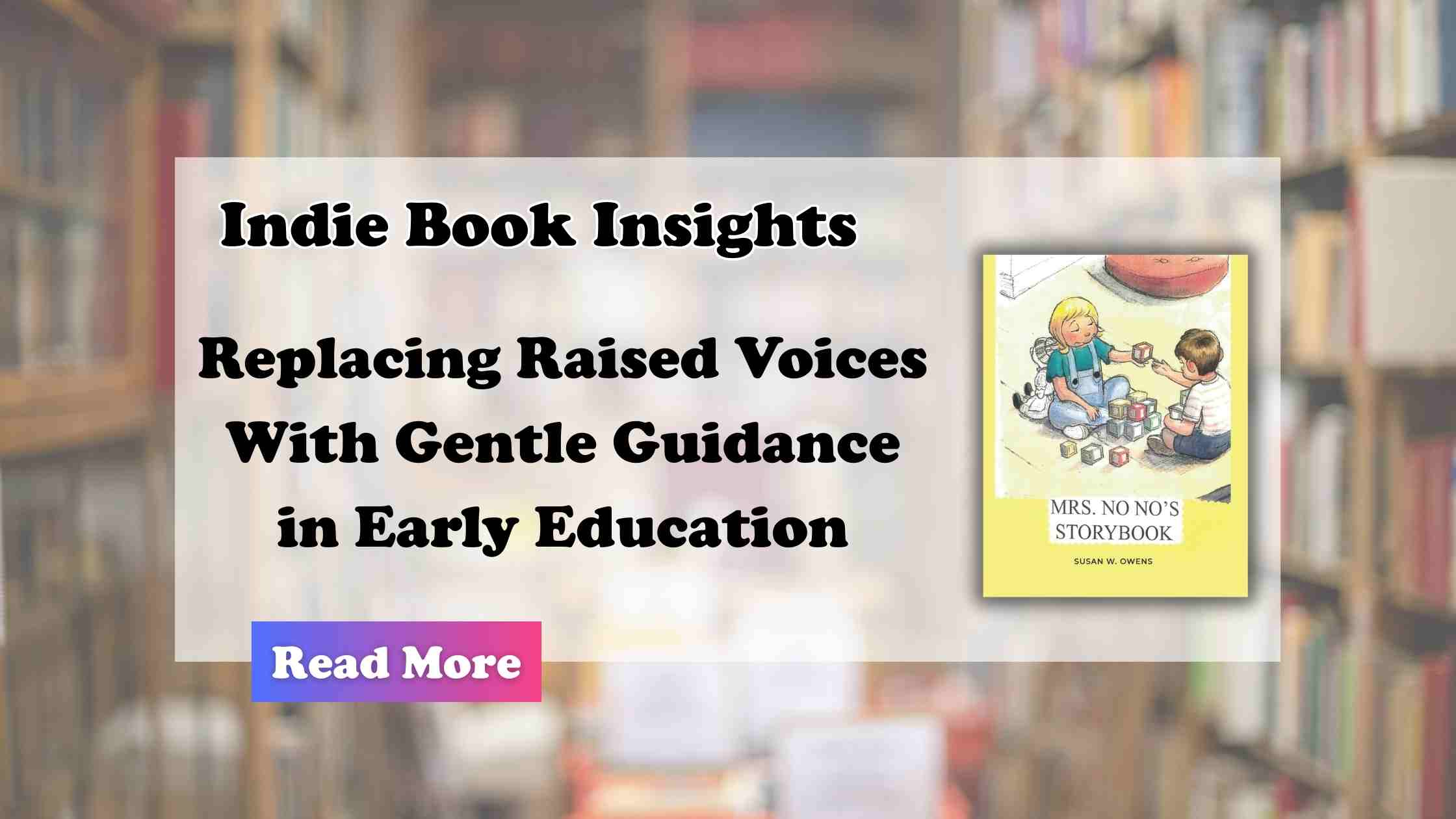
A clear example of this approach appears in Mrs. No No’s Storybook by Susan W. Owens. The book introduces Mrs. No No, a friendly puppet used as a classroom visual reminder. When a child needs redirection, the teacher gently lifts the puppet and asks a simple question that encourages reflection. There is no raised voice and no public correction. The child is guided calmly toward a better choice. This method shows how gentle guidance can be firm, clear, and effective at the same time.
Replacing raised voices also supports emotional safety. Children learn best when they feel secure. Calm reminders protect that sense of safety by reducing fear and tension. When children trust that mistakes will be met with patience, they are more willing to take risks, ask questions, and try again. This emotional security supports both academic learning and social development.
Behavior improves as well. Children who are guided gently often become more cooperative because they understand expectations clearly. Visual cues and calm routines help them remember what is expected without constant reminders. In Mrs. No No’s Storybook, children begin to self-correct after repeated exposure to the visual cue. It shows growing accountability and internal motivation.
Gentle guidance also models respectful communication. Children learn how to speak to others by observing adults. When teachers use calm and consistent language, children mirror that behavior in their interactions with peers. Classrooms become more respectful and supportive, benefiting everyone.
Replacing raised voices does not mean lowering expectations. It means delivering those expectations in a way children can process and apply. Gentle guidance teaches children how to think, not just how to obey. It builds skills that last beyond the classroom.
For educators seeking a practical example of this approach, Susan W. Owens’s Mrs. No No’s Storybook offers a clear, thoughtful method worth reading.
Explore this book now, available on Amazon: https://www.amazon.com/dp/B0FPPJX6DR.