
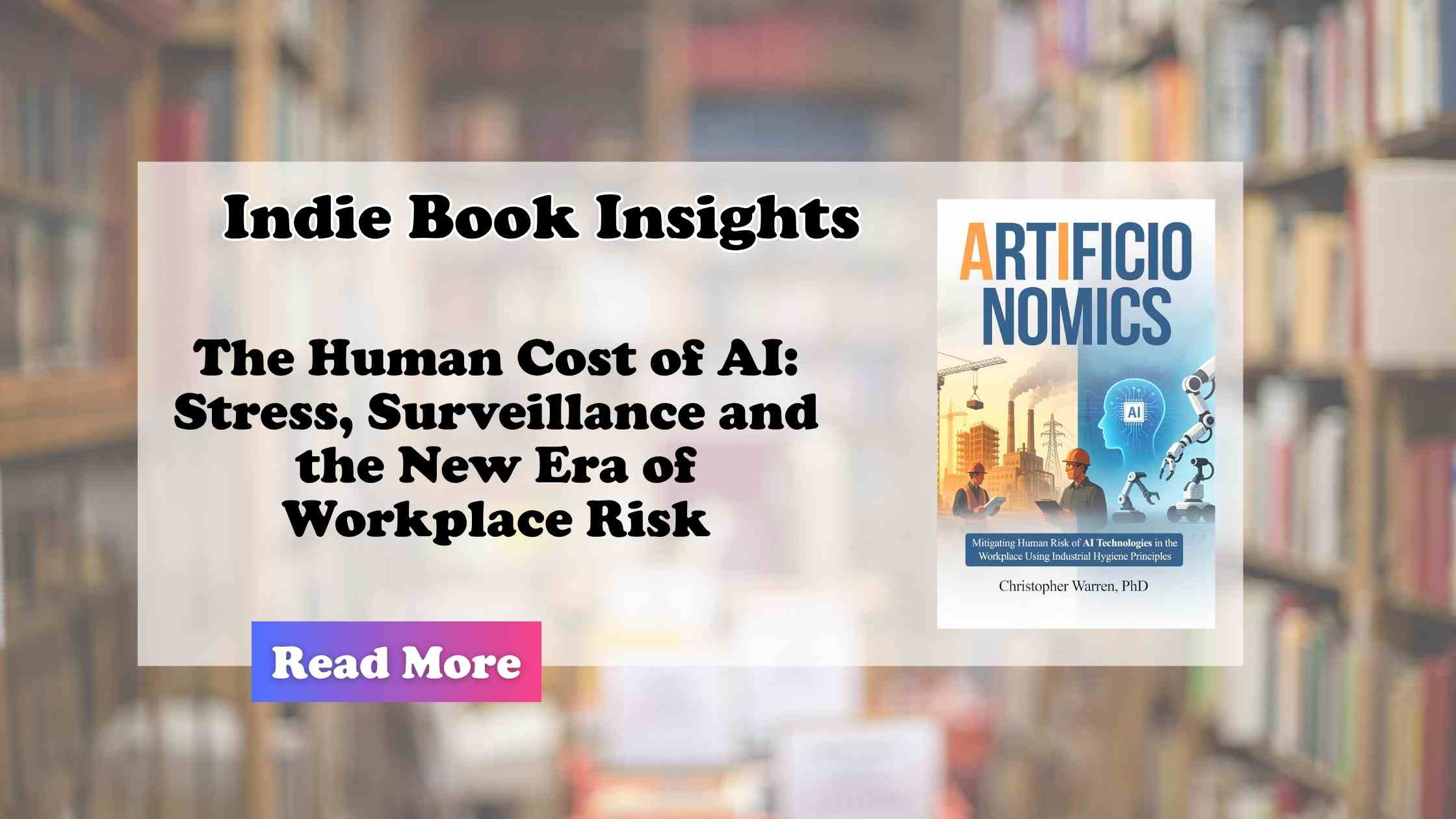
Artificial intelligence (AI) is transforming the modern workplace at an unprecedented speed. From automated manufacturing lines and predictive logistics systems to AI-assisted healthcare and algorithm-driven management platforms, intelligent technologies are reshaping how organizations operate. These systems improve efficiency, reduce physical risk and optimize decision-making. However, beneath these advancements lies a growing concern that is often overlooked: the human cost of AI in the workplace.
This cost is not always visible in machines or output metrics. It is experienced by people in rising stress levels, constant surveillance and a new category of occupational risk that traditional safety systems were never designed to address.
Across industries, workers are increasingly operating in environments where AI systems monitor performance in real time. Every action, delay or deviation can be tracked, analyzed and evaluated by algorithms. While this may improve productivity, it also creates an atmosphere of continuous observation. Employees may feel that they are no longer trusted as professionals, but instead measured as data points in a system optimized for efficiency.
This shift introduces a powerful psychological burden: surveillance-driven stress. Unlike traditional workplace supervision, AI monitoring is constant, invisible and often difficult to challenge. Over time, this can contribute to anxiety, reduced autonomy and a sense of detachment from meaningful work.
At the same time, AI systems are increasingly involved in decision-making processes that affect careers, promotions, scheduling and even disciplinary actions. This introduces a second layer of stress algorithmic dependence, where humans must rely on machine-generated outputs that may not always be transparent or explainable. When decisions are made or influenced by systems that workers do not fully understand, trust in the workplace begins to erode.
The combination of surveillance and algorithmic control is creating a new category of occupational hazard, one that is cognitive, emotional and ethical in nature. Unlike physical risks such as machinery accidents or chemical exposure, these hazards are subtle but persistent, affecting mental health, job satisfaction and long-term well-being.
Global research highlights the urgency of this issue. The World Economic Forum has repeatedly emphasized that automation and AI will significantly reshape global labor markets, creating both opportunities and disruption. Similarly, McKinsey & Company warns that without proper adaptation strategies, AI-driven workplaces may increase burnout, stress-related conditions and emotional fatigue among workers.
Yet despite these warnings, many organizations continue to focus primarily on productivity gains and operational efficiency, often overlooking the human experience of working alongside intelligent systems.
This is where Christopher Warren introduces a transformative solution through the concept of ArtificIonomics.
ArtificIonomics is a new discipline that applies industrial hygiene principles to the age of artificial intelligence and robotics. Traditionally, industrial hygiene has focused on identifying and controlling physical hazards in the workplace. ArtificIonomics expands this framework to include psychological, cognitive and ethical risks introduced by intelligent systems.
The core idea is that workplace safety must evolve alongside technology. If AI systems are shaping how work is performed, evaluated and managed, then safety frameworks must also account for how these systems impact human well-being.
ArtificIonomics provides a structured approach based on three key principles: identify, evaluate and control.
First, organizations must identify AI-related risks that go beyond technical failures. These include surveillance pressure, cognitive overload, reduced autonomy and emotional strain caused by constant algorithmic evaluation.
Second, risk evaluation must incorporate both quantitative and qualitative measures. Traditional metrics such as productivity and error rates are no longer sufficient. Human-centered indicators such as psychological safety, trust in systems and perceived fairness must also be considered.
Third, control strategies must evolve. This includes redesigning AI systems for transparency, establishing ethical governance frameworks, reducing unnecessary surveillance and providing mental health support for workers navigating AI-driven environments.
The rise of AI is not only a technological revolution, but it is a transformation of human experience at work. As intelligent systems become more embedded in everyday operations, the nature of labor is shifting from physical execution to human-machine collaboration. But without intentional safeguards, this shift risks increasing stress and eroding workplace well-being.
ArtificIonomics offers a timely and practical response. It does not reject AI innovation. Instead, it insists that innovation must be balanced with responsibility. It challenges organizations to recognize that efficiency alone is not enough; human dignity, mental health and trust must also be protected.
The future of work will be defined not only by what AI can do, but by how well we protect the people who work alongside it.
Available On Amazon: https://www.amazon.com/dp/B0GFY4RL6B/