
Children don’t just learn from what they are told; they learn from what they experience, observe and emotionally connect with. That’s why storytelling remains one of the most powerful tools for early childhood development. When stories feel real, children don’t just listen; they relate, reflect and grow.
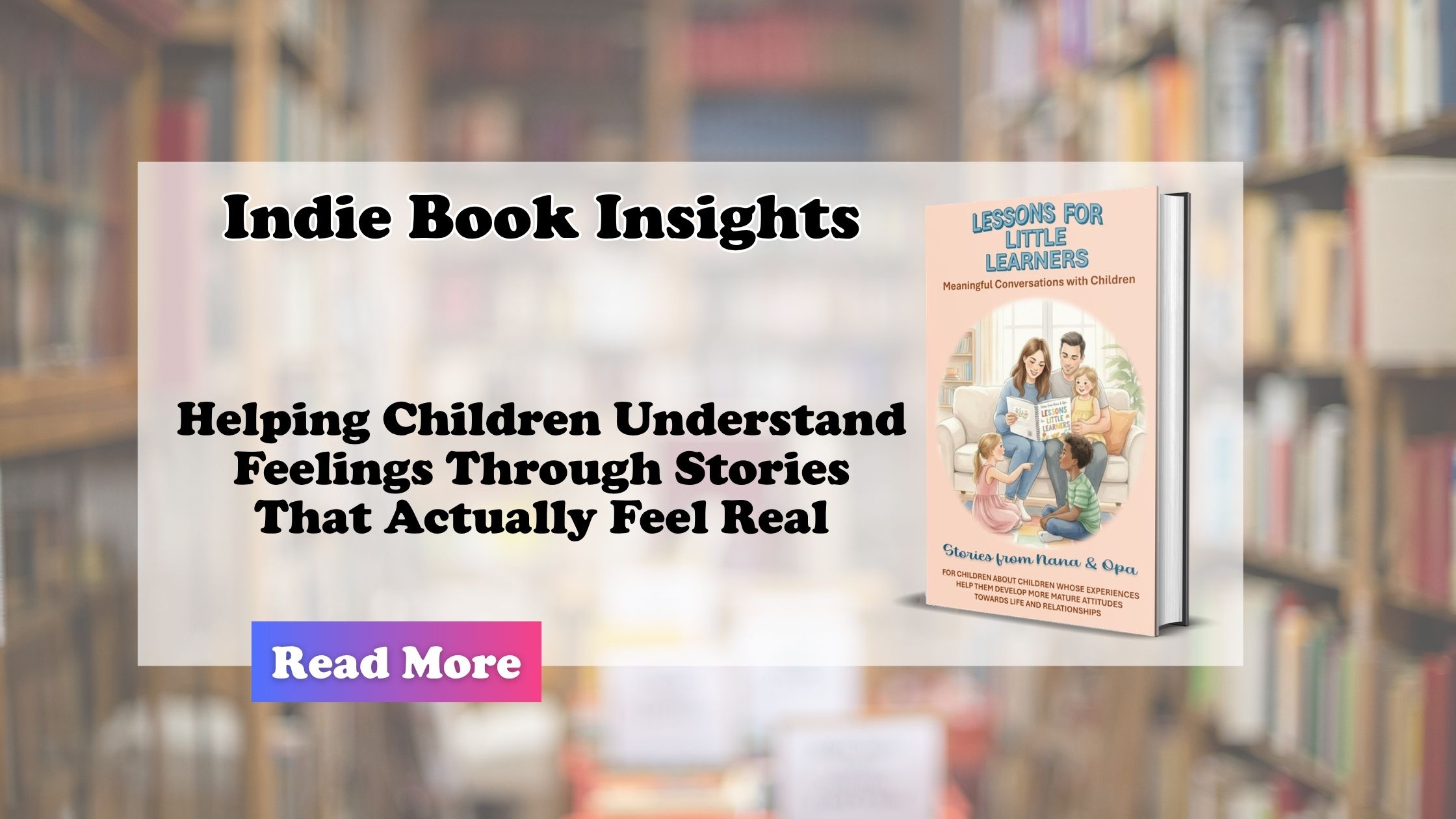
This is exactly the foundation of Lessons for Little Learners: Meaningful Conversations with Children by Michele & Marv Wainschel. Designed for children ages 3 to 10, the book uses realistic, relatable stories about everyday childhood situations to help young readers understand emotions, behavior and relationships in a meaningful way.
Unlike many traditional children’s books that rely on fantasy characters or exaggerated scenarios, these stories are grounded in real-life experiences. Children encounter characters who feel frustration, joy, disappointment, jealousy, fear, courage and confusion just like they do. This emotional familiarity is what makes the learning process so powerful.
Why Realistic Stories Matter for Emotional Growth
When children see emotions reflected in realistic situations, they begin to recognize those feelings in themselves and others. For example, a child who reads about Suzie learning the value of friendship beyond popularity begins to understand loneliness and belonging in a more personal way. Similarly, a story like Michael standing up against prejudice helps children identify fairness, empathy and moral courage.
These emotional connections are not accidental; they are essential. Realistic storytelling helps children move beyond surface-level understanding and into emotional awareness. Instead of simply being told “be kind” or “don’t judge others,” they see what kindness and judgment look like in everyday life.
This is how emotional intelligence begins to form.
Learning Through Relatable Moments
Lessons for Little Learners explores a wide range of childhood experiences: friendship struggles, sibling misunderstandings, self-doubt, responsibility, confidence and decision-making. Each story is carefully designed to reflect situations children might face at home, at school or with friends.
For instance, one story shows a child learning that anger can sometimes hide deeper feelings. Another explores how a child discovers that happiness is influenced more by attitude than circumstances. These narratives don’t lecture, they gently guide.
What makes the book especially effective is its conversational tone and reflective questions at the end of each story. Children are encouraged to think: How would I feel in this situation? What would I do differently? This turns reading into an active emotional learning experience rather than passive entertainment.
Building Emotional Vocabulary and Communication
Understanding feelings is not just about recognition; it’s also about expression. Many young children struggle to put their emotions into words. Through carefully chosen language and guided storytelling, this book helps expand their emotional vocabulary.
Children begin to learn words like empathy, responsibility, fairness, confidence and inclusion in a natural context. Over time, this strengthens their ability to communicate their own feelings clearly and respectfully.
Parents and educators also play an important role here. The stories are designed to encourage meaningful conversations between adults and children, helping bridge emotional understanding at home and in the classroom.
A Foundation for Lifelong Emotional Skills
Emotional intelligence is not built overnight. It develops gradually through repeated exposure, reflection and guidance. That is why Lessons for Little Learners emphasizes revisiting stories and reinforcing lessons over time. Each reading becomes another opportunity for growth.
By engaging with these realistic narratives, children begin to understand that feelings are normal, choices have consequences and kindness can shape relationships in powerful ways. More importantly, they learn that they are not alone in what they feel.
Final Thoughts
Helping children understand their emotions is one of the most valuable gifts we can offer them. When stories feel real, lessons become meaningful and when lessons are meaningful, they last.
Lessons for Little Learners: Meaningful Conversations with Children by Michele & Marv Wainschel is more than a story collection. It is a bridge between imagination and real-life understanding, guiding children gently toward emotional awareness, empathy and self-confidence.
In a world where emotional intelligence matters more than ever, these stories offer children something truly essential: the ability to understand their feelings and the world around them with clarity, kindness and confidence.