

When people think about rising healthcare costs in the United States, they often imagine expensive surgeries, high drug prices, or complex hospital treatments. While those factors certainly play a role, a large part of healthcare spending is driven by something much closer to everyday life: lifestyle choices.
In fact, many health experts estimate that lifestyle related conditions account for a significant portion of healthcare spending. Habits such as diet, physical activity, smoking, alcohol use, and stress management have a powerful impact on long term health. Over time, these daily decisions can either strengthen the body or slowly contribute to disease.
Understanding the connection between lifestyle and healthcare costs helps reveal an important truth. Improving health outcomes is not only about medical treatment. It is also about how people live their lives every day.
Chronic Diseases and Everyday Habits
Many of the most common and costly health conditions are closely connected to lifestyle factors. Heart disease, type 2 diabetes, obesity, and certain forms of cancer often develop over many years. They are influenced by patterns such as poor nutrition, lack of exercise, smoking, and prolonged stress.
These conditions rarely appear overnight. Instead, they tend to grow slowly as small habits accumulate over time. For example, a sedentary lifestyle combined with an unhealthy diet can increase the risk of weight gain and insulin resistance. Eventually, this may lead to diabetes or cardiovascular disease.
Treating these conditions requires ongoing medical care, medications, and sometimes hospitalizations. As more people develop chronic illnesses, the financial burden on healthcare systems grows.
Prevention Is Often Overlooked
One of the most surprising realities of healthcare is how little emphasis is placed on prevention. Medical systems are highly skilled at diagnosing and treating illness, but they often struggle to address the behaviors that lead to disease in the first place.
Preventive efforts such as nutrition education, regular exercise, and stress reduction can dramatically reduce the risk of chronic illness. Yet these approaches frequently receive far less attention than medical treatments.
Encouraging healthier lifestyles could help reduce the demand for costly medical interventions and improve the quality of life for millions of people.
The Importance of Personal Health Decisions
Lifestyle choices are deeply personal and often shaped by culture, environment, work schedules, and access to healthy options. However, individuals still play a central role in shaping their own health outcomes.
Small changes can have a meaningful impact. Choosing nutritious foods, staying physically active, getting enough sleep, and managing stress can strengthen the body and reduce the risk of disease.
When people become more aware of how their daily habits influence their health, they gain the ability to make decisions that support long-term well-being.
A Shared Responsibility
Addressing lifestyle-related healthcare costs requires cooperation across society. Healthcare providers can offer guidance and education, communities can support healthier environments, and policymakers can encourage preventive health initiatives.
At the same time, individuals must feel empowered to take an active role in protecting their health. When people understand the connection between their choices and their well-being, they are better equipped to make positive changes.
Healthcare works best when prevention and personal responsibility become part of the conversation.
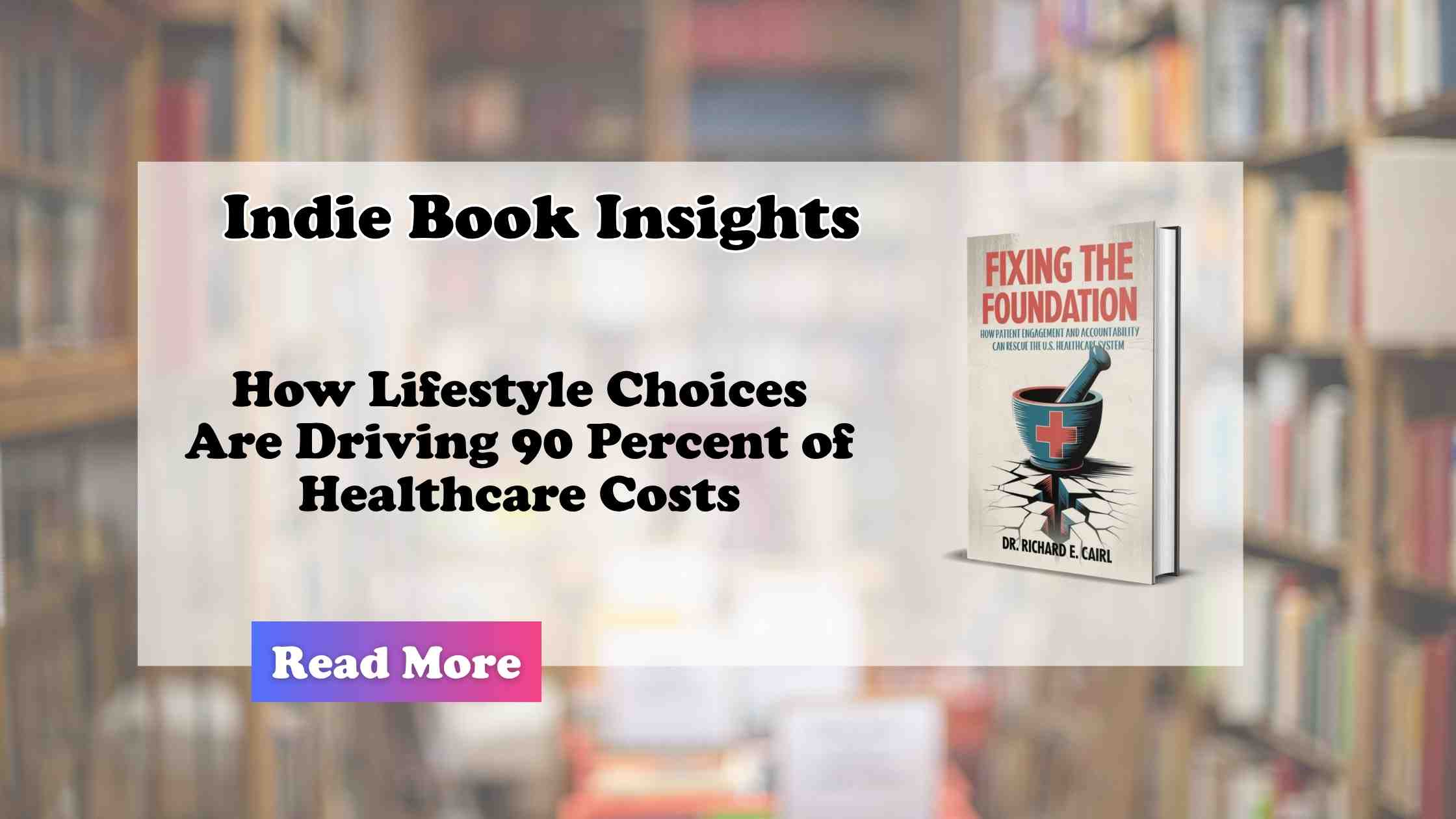
For readers who want to explore these ideas in greater depth, Fixing the Foundation: How Patient Engagement and Accountability Can Rescue the U.S. Healthcare System by Dr. Richard E. Cairl provides valuable insights. The book highlights how patient engagement, lifestyle awareness, and shared responsibility can help strengthen healthcare systems and improve health outcomes for individuals and communities.
Despite the United States possessing one of the most technologically advanced healthcare systems in the world, rising costs, increasing chronic disease, and inconsistent health outcomes continue to challenge its sustainability. In this thought provoking and evidence based book, Dr. Cairl argues that meaningful reform cannot occur unless patient engagement and patient accountability become central pillars of healthcare delivery.
Drawing on research from behavioral science, public health, policy, and emerging digital technologies, the book explores why patients have historically been marginalized in healthcare decision making and how empowering them as active partners can improve outcomes, reduce costs, and strengthen the entire system. Through practical strategies, policy insights, and a forward looking discussion of tools such as AI driven health support systems, the book presents a compelling vision for a healthcare model built on shared responsibility between patients, providers, and policymakers.
Available Now On Amazon: https://www.amazon.com/dp/B0GRCRBKB6/