

Sensitivity is often misunderstood. It is labeled as weakness, overreaction, or fragility. Many people learn early to suppress it in order to fit in, especially in environments that reward toughness or emotional distance. Over time, this can lead people to see sensitivity as something that needs fixing. Yet sensitivity itself is not the problem. The real issue lies in systems and cultures that do not value awareness, empathy, or emotional insight.
Sensitivity Means Awareness
Sensitive people tend to notice changes others overlook. They pick up on tone shifts, emotional cues, and subtle tension in conversations or environments. This awareness allows for a deeper understanding of people and situations. It is not about feeling too much. It is about perceiving more. This skill can be especially valuable in relationships, workplaces, and creative settings where understanding nuance matters.
Emotional Range Builds Connection
Sensitivity supports connection. People who are sensitive often listen closely and respond with care. They notice when someone is uncomfortable or withdrawn and may instinctively adjust their behavior. These qualities help build trust over time. In both personal and professional settings, emotional awareness often forms the foundation of meaningful communication and cooperation.
Sensitivity Encourages Reflection
Sensitive individuals often pause before acting. They reflect on how their words or decisions might affect others. While this can sometimes slow decision making, it also reduces unnecessary harm. Reflection allows for more thoughtful choices and more sustainable outcomes. Acting with awareness often leads to fewer regrets and stronger relationships.
Sensitivity and Emotional Honesty
Sensitivity often brings emotional honesty. Sensitive people tend to be more in tune with their own reactions, even when those reactions are uncomfortable. This self awareness can support growth. When people understand what they feel and why, they are better equipped to respond rather than react. Emotional honesty strengthens integrity.
Creativity and Insight
Many creative and insightful people are sensitive because they engage deeply with experience. Writing, art, music, and problem solving often rely on emotional depth. Sensitivity allows ideas to be explored with care and complexity rather than force. It supports originality by encouraging curiosity and reflection rather than quick judgment.
Boundaries Matter
Sensitivity becomes overwhelming only when boundaries are missing. Learning when to step back, say no, or rest is essential. Boundaries protect sensitive people from burnout and emotional overload. Strength does not come from numbing sensitivity. It comes from managing it wisely.
Reframing the Narrative
Rather than asking how to become less sensitive, a better question is how to use sensitivity well. Sensitivity can guide ethical choices, improve communication, and support leadership rooted in understanding rather than dominance. When respected and supported, sensitivity becomes a resource rather than a liability.
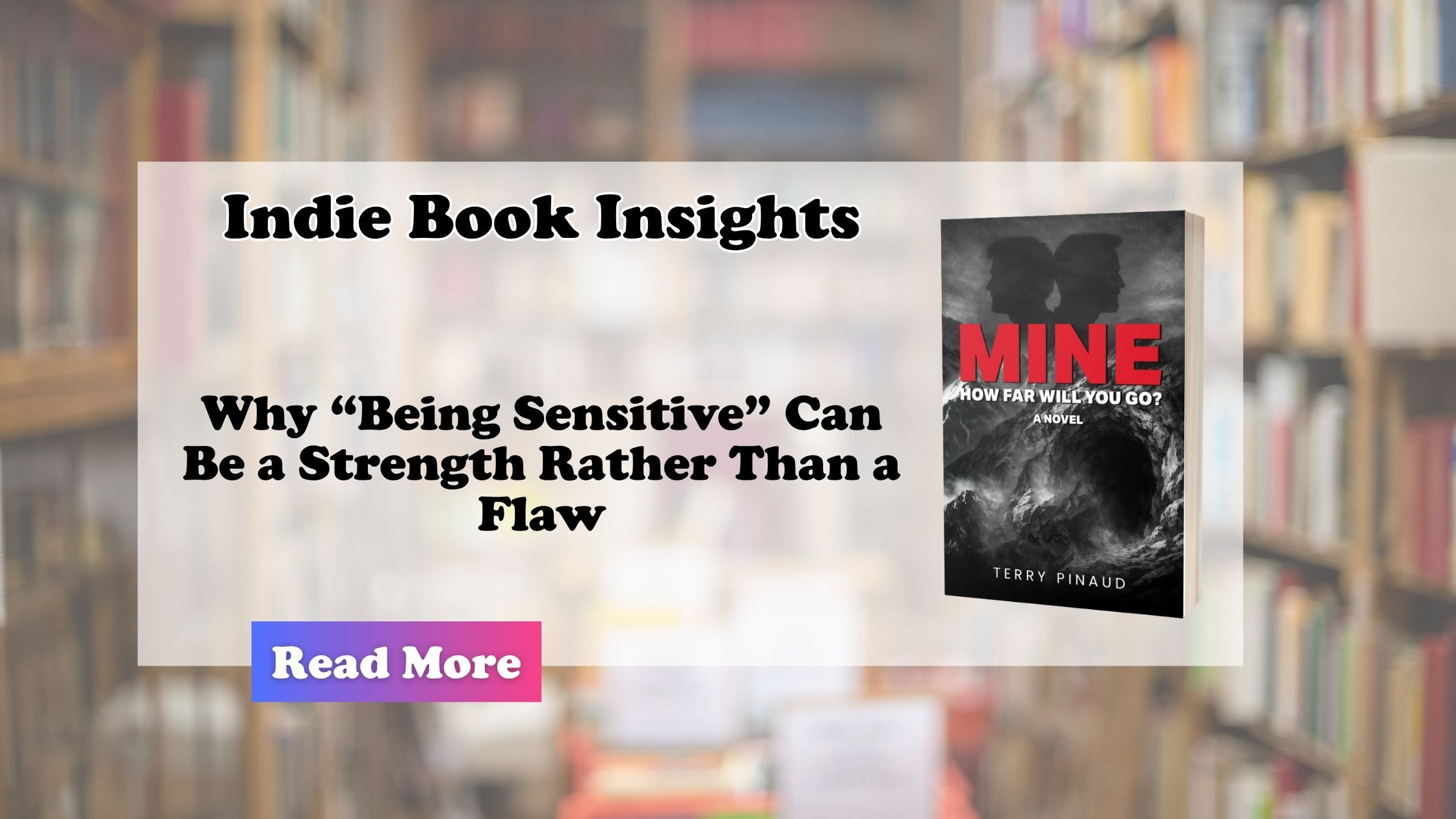
Mine by Terry Pinaud presents sensitivity as a quiet strength. The characters observe, feel, and respond with care in a harsh setting. The novel shows how sensitivity can coexist with resilience, making it a meaningful read for anyone reconsidering this trait.