A rental property is only as strong as the agreement that governs it. A landlord may own a valuable building, attract good tenants, and collect steady rent, but without a clear lease agreement, the investment can still be exposed to disputes, unpaid costs, property damage, and legal trouble. A strong lease is not just paperwork. It is one of the most important tools a landlord has for protecting income, property value, and long term stability.
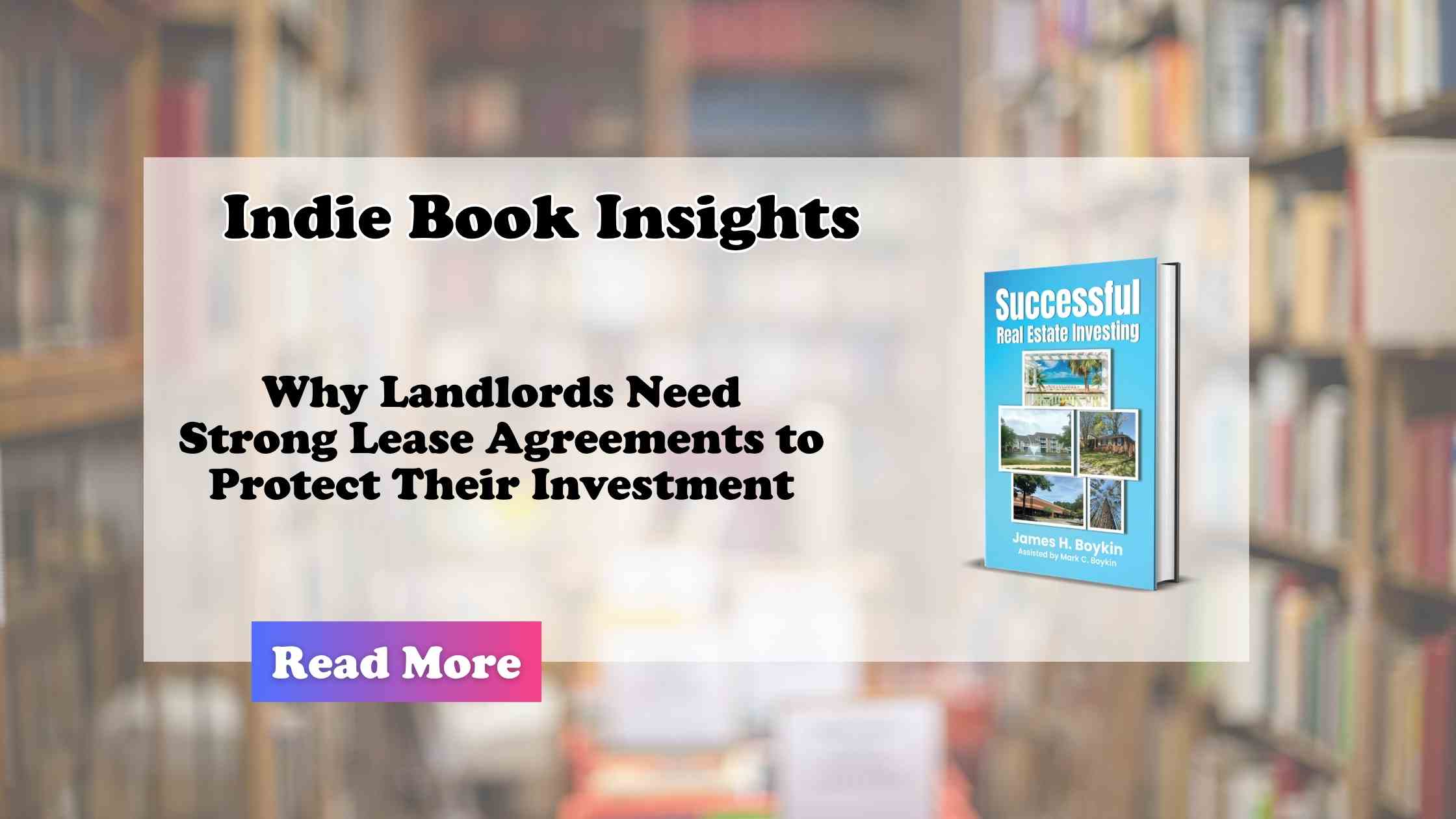
In Successful Real Estate Investing, James H. Boykin presents real estate ownership as a responsibility that requires careful planning. One of the practical lessons in the book is that investors should understand what belongs in a lease before problems arise. A lease should explain who pays for what, how the property may be used, what repairs are required, how expenses are handled, and what happens if either party fails to meet their obligations.
For landlords, this clarity matters. Rental income can quickly become uncertain when lease terms are vague. If the agreement does not clearly state whether the landlord or tenant is responsible for utilities, maintenance, taxes, insurance, common area expenses, or repairs, disagreements can follow. These disputes can cost time, money, and goodwill.
A strong lease also helps protect the physical condition of the property. It can define acceptable use, limit activities that may harm the building, require proper insurance, and set expectations for tenant improvements. This is especially important for commercial properties, where tenants may need to alter the space for business use. Without careful lease language, a landlord may be left with expensive restoration costs when the tenant leaves.
Security deposits, renewal terms, subleasing rules, default provisions, and responsibility for damages should also be clearly addressed. A landlord should not wait until a tenant stops paying rent, vacates early, or damages the property to discover that the agreement is weak. The lease should provide guidance before conflict begins.
Boykin’s book also shows that leases affect property value. A building with stable tenants, clear rental terms, and well managed lease expirations is more attractive to future buyers. Strong lease revenue supports the investment during ownership and can improve the property’s position when it is time to sell.
This is why landlords should not rely on informal understandings or poorly prepared documents. A lease should be reviewed by a qualified real estate attorney so that the landlord’s interests are protected and the terms comply with applicable rules.
Successful Real Estate Investing by James H. Boykin is a valuable guide for readers who want to understand property ownership beyond the purchase itself. It explains the importance of disciplined management, financial review, risk protection, and smart leasing decisions. For anyone who owns or plans to own rental property, this book offers practical direction on how to protect an investment from the beginning and manage it with confidence.