
Some novels stay rooted in one place. Others begin somewhere small and quietly expand until they seem to hold whole histories inside them.
Ian Hanes’s August: We Carry What We Bury does exactly that.
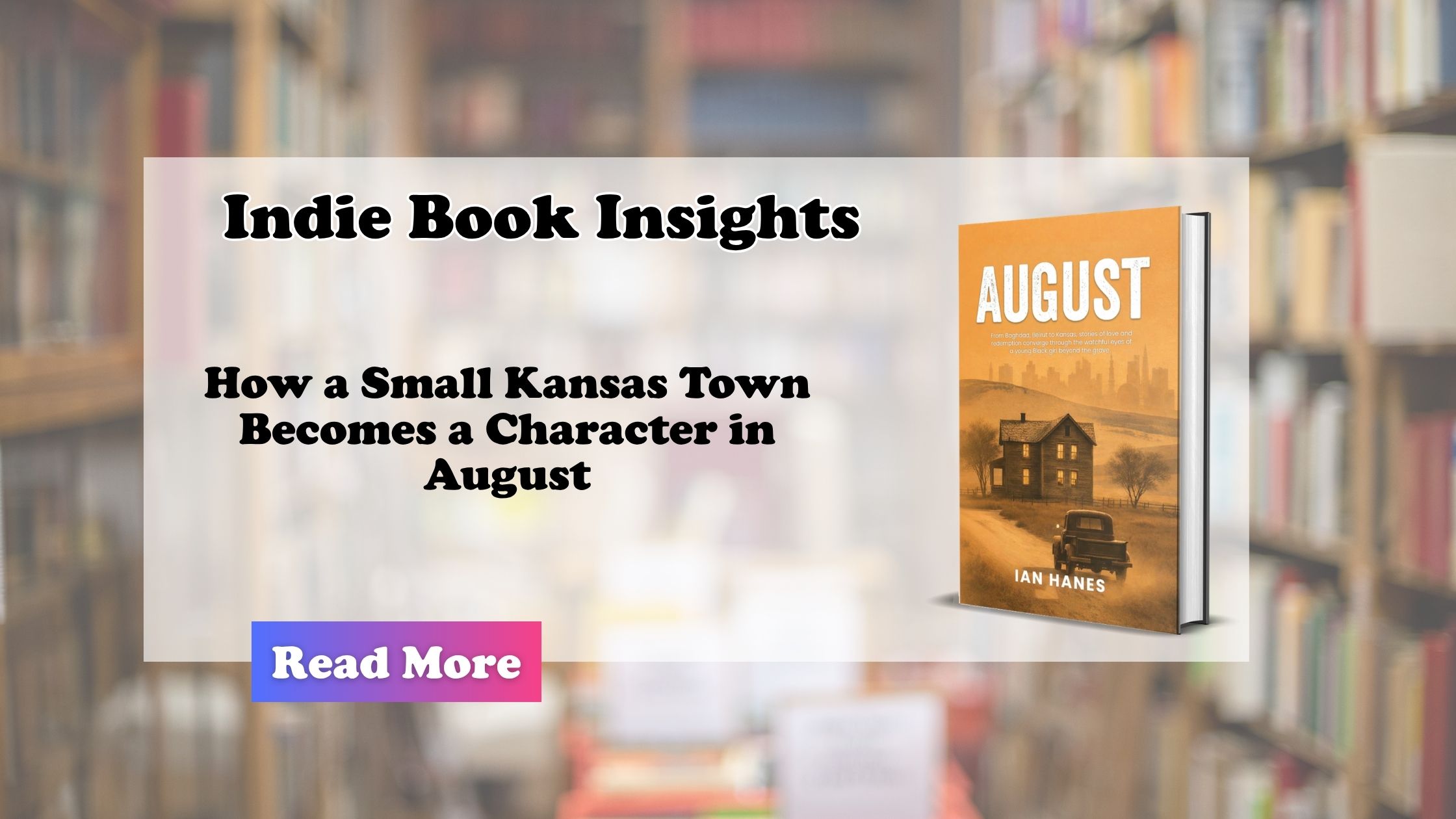
At first, the story feels deeply local. Lebanon, Kansas, is a shrinking prairie town shaped by farming, basketball, church, gossip, memory and the generations who refused to leave. August Harper belongs to that landscape. He grows up on the farm, becomes a standout basketball player and falls in love with Rosalind Rose, a Black teenage girl whose presence changes his life forever.
Their story alone could carry an entire novel.
Rose dreams of becoming a civil rights lawyer. August dreams of earning a basketball scholarship at the University of Kansas. Their relationship develops quietly because they understand the racial prejudices surrounding them. They talk after practice, hold hands when no one is watching and imagine futures larger than the town around them.
Then tragedy interrupts those dreams.
Rose is killed while trying to reach August’s championship basketball game and the loss reshapes the rest of his life. He turns away from college opportunities, stays on the farm and carries Rose’s memory into adulthood. That personal grief becomes one of the novel’s central ideas: what is buried does not necessarily disappear.
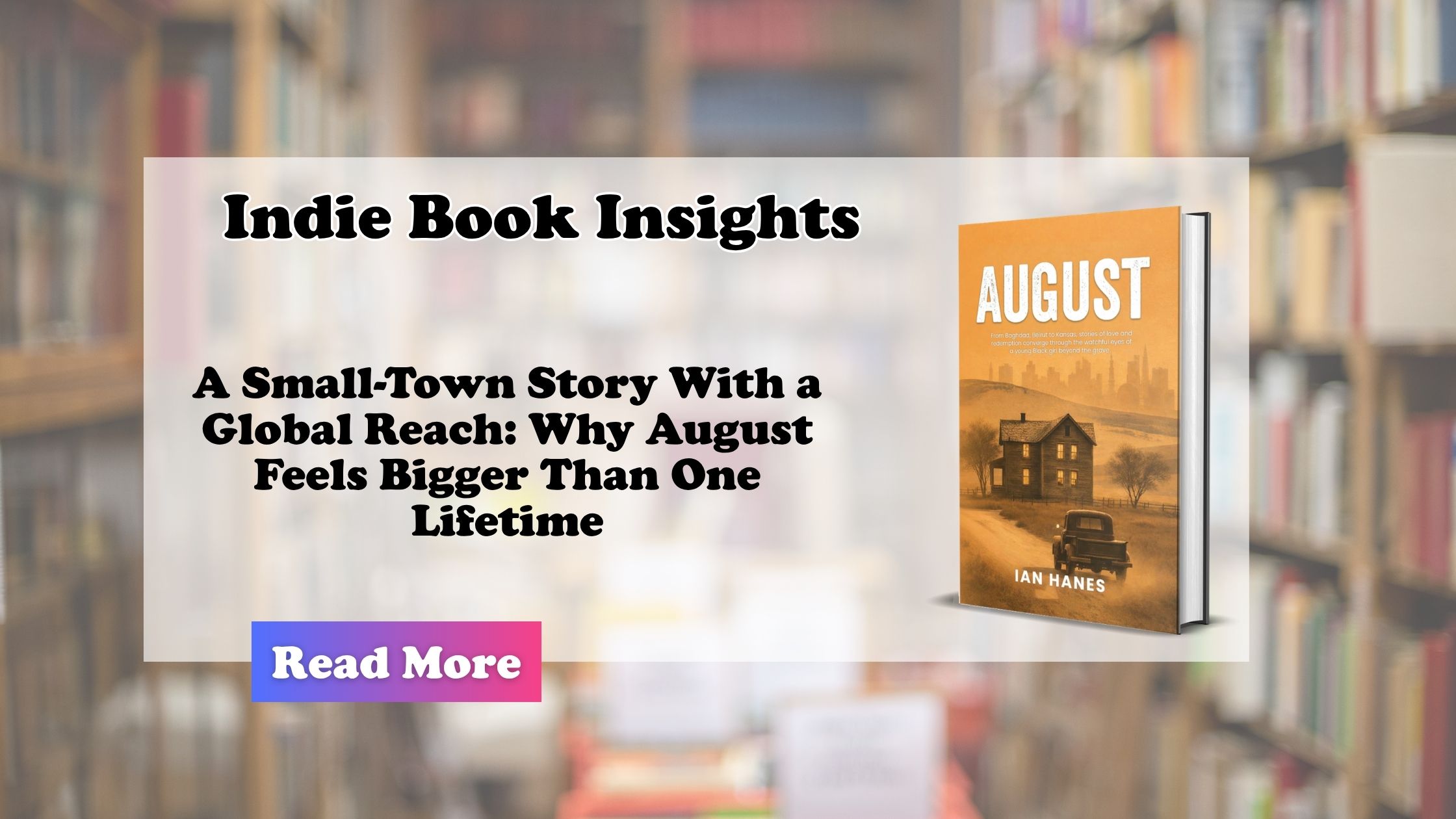
But August does not remain confined to Kansas.
The narrative stretches outward across countries, cultures, historical periods and generations. Beirut becomes another important setting, presented as a city shaped by the Mediterranean, migration, destruction, survival and rebirth. The novel follows ordinary people such as Layla and Bahri Haddad while also confronting the devastating 2020 Beirut port explosion and the human consequences of warnings ignored.
The story also reaches Wuhan as the first signs of what would become COVID-19 begin to emerge. From there, the pandemic becomes another example of how individual lives can suddenly become part of global history. The novel connects distant places Kansas, Beirut, Baghdad, Wuhan not by pretending they are the same, but by asking what people everywhere do when confronted by fear, loss, injustice and uncertainty.
History itself becomes part of the storytelling.
The book moves through subjects including race, slavery, political power, immigration, war, public health, monuments and the rise and fall of nations. Yet these larger themes repeatedly return to ordinary human lives. Behind every historical event are people loving someone, losing someone, remembering someone or trying to build something that will survive them.
That is why August: We Carry What We Bury feels bigger than one lifetime.
August’s life is not presented in isolation. His choices affect John. Rose’s memory survives beyond her death. Basketball passes from one generation to another. Stories travel across oceans. History leaves traces in families, communities and nations.
Near the end, John finally understands more about the woman whose memory shaped his father’s life and Rose finds a sense of peace after decades of watching the story continue without her.
Ian Hanes ultimately offers a novel about connection: between past and present, the living and the dead, one generation and the next and one small town and a much larger world.
Because no life exists entirely on its own.
We inherit stories. We create new ones.
And, whether we realize it or not, we carry some of them with us.
Discover August: We Carry What We Bury by Ian Hanes, available now on Amazon: https://www.amazon.com/dp/B0H3M2GCJJ/