

Ever notice how your heart starts beating the second something catches you off guard, or how a single kind word can turn your entire day around? Those reactions aren’t random coincidences. In fact, they’re part of a survival system that’s been running the show for thousands of years. Long before we worried about deadlines, social media likes, or finding Wi-Fi, our ancestors depended on a set of basic instincts to stay alive. And while the world around us has transformed, those instincts are still steering our thoughts, emotions, and choices every single day.
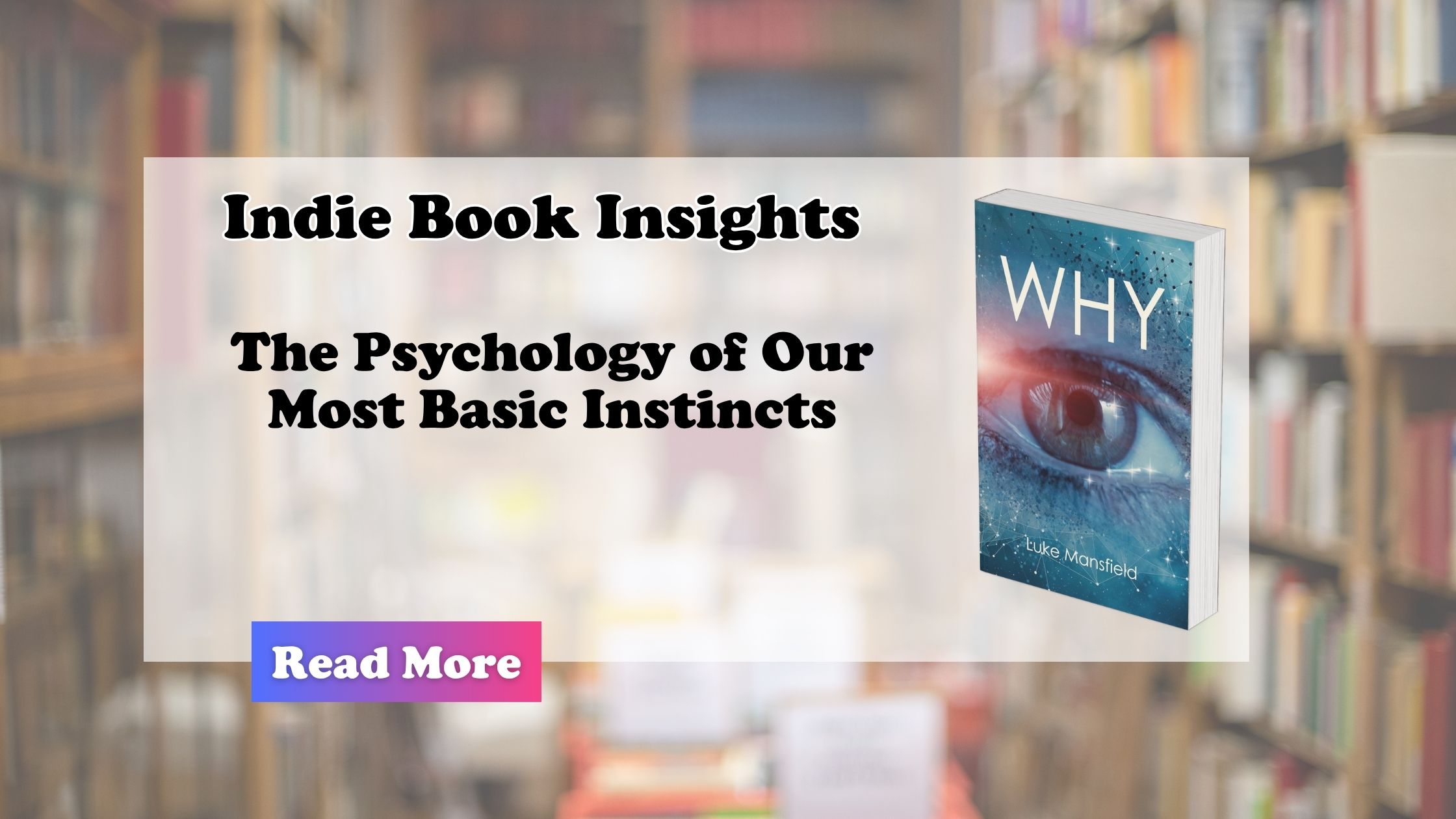
Luke Mansfield’s WHY: Explanation, Guide, and Reference to Basic Human Motivations takes these age-old instincts and applies them to a modern context. At the heart of his book is the idea of “Y,” his shorthand for the reasons behind what we do. Often, those reasons stretch back to our earliest days as humans.
Take the fight-or-flight response, for example. Originally, it was our body’s way of reacting instantly to danger. Today, the same flow of adrenaline can hit before a job interview, during an argument, or even when your phone buzzes with unexpected news. The instinct hasn’t changed; only the triggers have evolved with time, and so have our responses.
Being part of a group once meant safety, food, and protection. Today, that same belonging instinct drives us to build friendships, join communities, and seek approval. Social media feeds directly into this need, sometimes for the better, giving us support and encouragement, and sometimes for the worse, creating pressure to compare ourselves and fear missing out.
Curiosity is another instinct Mansfield explores. It once sent our ancestors over the next hill in search of new food sources or shelter. Now it inspires us to learn new skills, invent, and explore ideas. However, when left unchecked, the same curiosity can pull us into endless distractions and become a double-edged sword.
Then comes the competition. In the past, it helped determine who had the best chance of survival and success. Today, it’s alive and well in sports, academics, careers, and even subtle day-to-day comparisons. Healthy competition can push us to achieve great things, but left unchecked, it can turn into stress, rivalry, and fractured relationships.
Mansfield makes it clear that none of these instincts are “good” or “bad.” They’re simply part of the human operating system. The power comes in recognizing when they’re at play. Feeling excluded from a social event, for example, can trigger our need to belong. Noticing that, and pausing before reacting, can help us respond thoughtfully instead of impulsively. Similarly, when we understand our “Y,” we start seeing patterns in ourselves and others. That awareness not only helps us manage our behavior, but it also builds empathy. With that, we begin to see that someone else’s ambition, defensiveness, or curiosity is rooted in the same ancient wiring we all share.
In WHY, Mansfield invites us, especially young adults, to treat these instincts not as flaws to fix but as tools to work with. Our most basic instincts are the foundation of who we are. Learning this language and understanding these cues is the key to unlocking our minds, helping us make wise choices with intention, strengthening our relationships, and helping us build a deeper understanding of ourselves and the people around us.
For more information and insight, please read WHY: Explanation, Guide, and Reference to Basic Human Motivations.
Head to Amazon to purchase your copy: https://www.amazon.com/dp/B0F33WJRRC.