


In an age where technology governs almost every facet of urban life, the idea of a sudden, total power failure is a daunting prospect. Cities, often seen as hubs of innovation and convenience, could quickly turn into treacherous urban jungles. Understanding how to survive in such an environment is crucial for anyone living in or near a metropolis. This blog explores essential skills and strategies to help you navigate a world without power, ensuring you are prepared for the unexpected.
Essential Survival Skills for Urban Environments
Surviving in an urban environment without power requires a unique set of skills tailored to the challenges of city life. First and foremost, basic first-aid knowledge is indispensable. In a power outage, emergency services might be overwhelmed or inaccessible. Understanding how to treat wounds, perform CPR, and manage basic medical issues can save lives. Additionally, purifying water is crucial. Urban water supplies can become contaminated or unavailable, so knowing how to use purification tablets, boiling methods, or improvised filtration systems is vital.
Finding and Purifying Water
Water is the most critical resource for survival. In a city, traditional water sources may become unreliable. Identifying alternative sources such as rainwater, rivers, or even water from plumbing systems in abandoned buildings can be lifesaving. Once found, purifying this water is essential. Boiling is the most effective method, killing bacteria and viruses. If boiling isn’t possible, using purification tablets or portable filters can help. Learning how to construct a simple filtration system using sand, charcoal, and gravel can also provide a temporary solution.
Sourcing and Preserving Food
In an urban power failure, supermarkets and stores will quickly be emptied. Knowing how to source and preserve food is essential. Non-perishable items such as canned goods, dried fruits, and nuts should be stockpiled. Urban foraging is another option—identifying edible plants, fruits, and even insects can provide the necessary nutrition. Preserving food through drying, smoking, or pickling can extend the shelf life of your supplies, ensuring you have a steady food source.
Securing Shelter
Without power, maintaining a safe and secure shelter becomes a priority. High-rise buildings, once seen as secure, can become traps if elevators and lighting fail. Seeking shelter in lower, more accessible buildings is advisable. Ensuring your shelter is defensible against potential threats from both humans and the environment is crucial. Reinforcing doors and windows, creating barriers, and establishing lookout points can enhance your security. Additionally, insulating your shelter to maintain warmth without relying on electricity is vital in colder climates.
Real-Life and Fictional Examples of Urban Survival
History and fiction provide valuable lessons in urban survival. The 2010 earthquake in Haiti, which left much of Port-au-Prince without power, showcased the importance of community and resourcefulness in urban survival. Fictional accounts, like those in dystopian novels such as “The Road” by Cormac McCarthy, offer insights into human behaviour and survival strategies in a power-deprived world. These stories emphasize the importance of preparation, adaptability, and the human spirit’s resilience.
Creating an Emergency Survival Kit
An emergency survival kit is a must-have for urban survival. This kit should include essentials like water purification tablets, a first aid kit, non-perishable food, a flashlight with extra batteries, a manual can opener, a multi-tool, and a portable stove or fuel. Communication tools such as battery-powered radios and walkie-talkies are crucial for staying informed and connected. Personal items like medications, important documents, and cash should also be included. Regularly updating and maintaining your kit ensures you are always prepared for an emergency.
Staying Safe in a Post-Collapse Urban Landscape
Navigating a post-collapse urban landscape requires vigilance and adaptability. Establishing a routine that includes regular checks of your perimeter, conserving resources, and staying informed about the situation is essential. Building alliances with trustworthy neighbours can enhance security and resource-sharing. Avoiding high-risk areas, such as looted stores or dense crowds, can reduce the risk of conflict. Maintaining a low profile, keeping noise to a minimum, and using discretion when lighting fires or cooking can help avoid attracting unwanted attention.
Conclusion
Surviving in an urban jungle without power is a challenging but manageable task with the right knowledge and preparation. By mastering essential skills, securing resources, and staying adaptable, you can navigate the complexities of a city without electricity. Preparing for such scenarios not only ensures your safety but also empowers you to face the uncertainties of a power-deprived world with confidence.
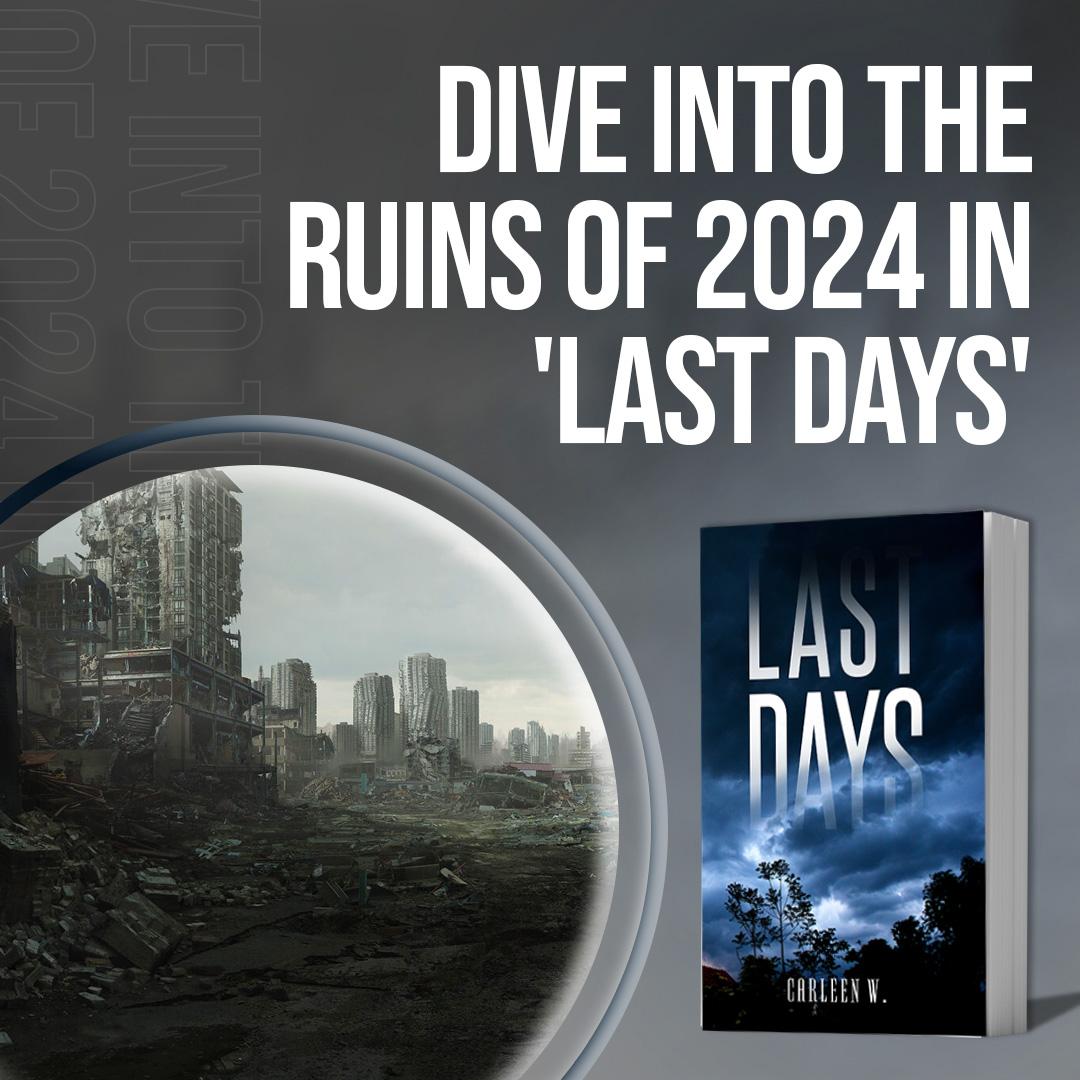
In a world where technology has suddenly failed, survival becomes paramount. Carleen W.’s gripping novel “Last Days“ thrusts you into this harrowing scenario, following Carin, a CEO trapped in a powerless Chicago, as she navigates a city in chaos. With humanity on the brink of extinction, “Last Days” explores the dark side of human nature and the struggle to endure. Don’t miss this thrilling tale of resilience and survival. Discover the essential skills and strategies for navigating a world without power.