
Most people have watched a distressing documentary, felt deeply moved and then returned to everyday life. Angela Gorman, MBE, did something different. After witnessing the preventable deaths of mothers on television, she made a decision that would redirect her life and eventually help bring lifesaving care to women across several African countries.
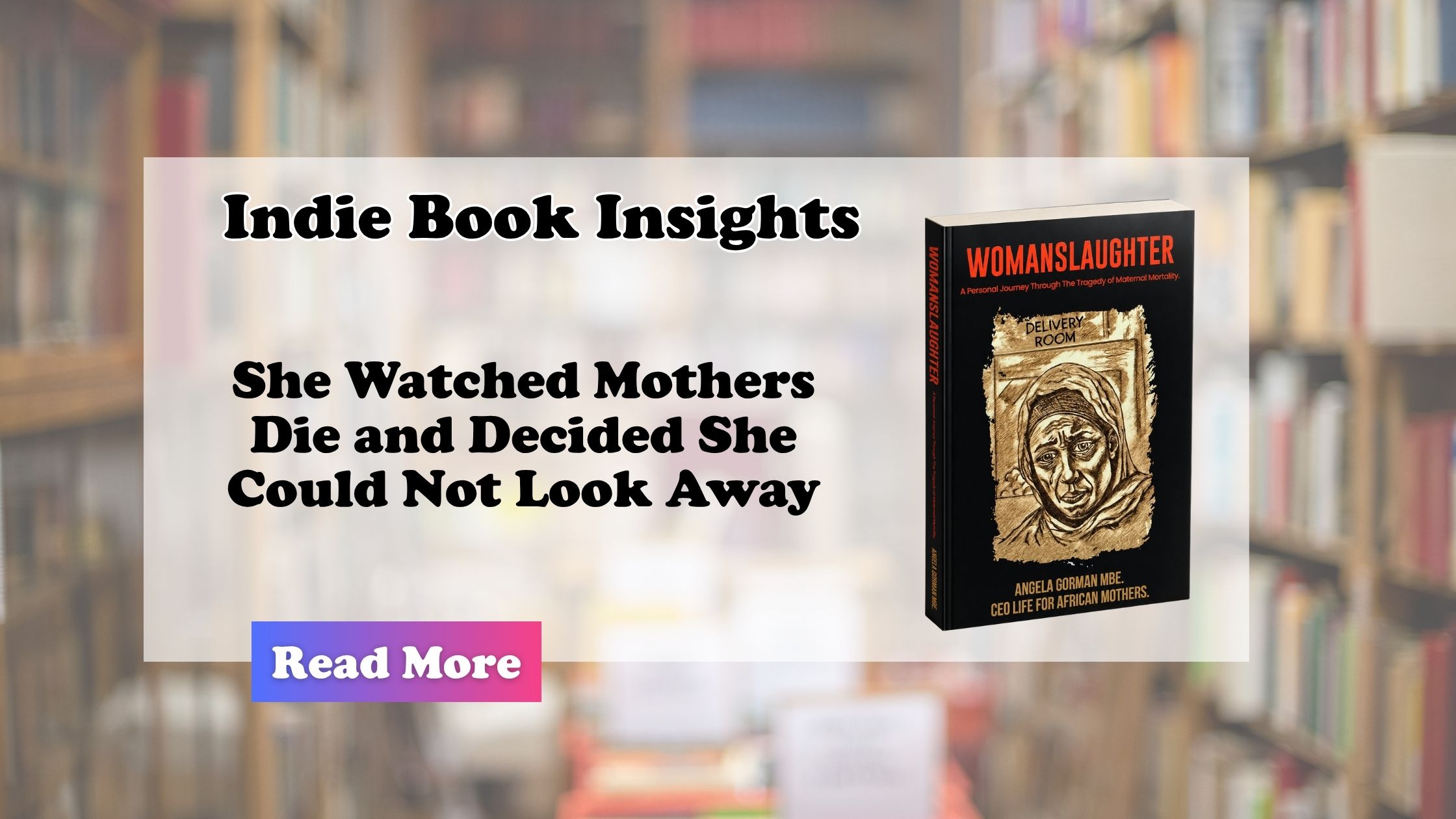
Her remarkable journey is told in WOMANSLAUGHTER: A Personal Journey Through The Tragedy of Maternal Mortality, a deeply personal memoir about compassion, inequality, courage and the power of choosing to act.
In June 2005, Angela was 57 years old and working as a senior neonatal intensive care nurse. After an exhausting hospital shift, she sat down to watch the BBC Panorama documentary Dead Mums Don’t Cry. The programme followed Dr. Grace Kodindo, an obstetrician working in Chad, where pregnant women were dying because hospitals lacked medications and equipment routinely available in wealthier healthcare systems.
Angela watched a teenage girl die from eclampsia. She saw another young patient lose her life after an unsafe abortion and overwhelming infection. She heard Dr. Kodindo describe losing four mothers in only three days. For Angela, these were not distant statistics. They were women whose deaths might have been prevented.
Rather than switch off the television and try to forget what she had seen, Angela made a mug of coffee, opened her laptop and wrote an email. That action became the beginning of a completely unexpected mission.
What started as an effort to send medication to one hospital soon developed into a much larger humanitarian commitment. Angela helped raise funds, build partnerships, source essential supplies and travel to maternity units where doctors and midwives were doing their best with painfully limited resources.
Inside those hospitals, she encountered conditions that were difficult to comprehend. Women sometimes gave birth without dependable electricity. Midwives worked without suitable gloves. Families could be required to purchase medicines, needles or fluids before treatment began. In one facility, four women in advanced labour were cared for by a single midwife, with a candle providing light and carrier bags being used as makeshift gloves.
Yet WOMANSLAUGHTER is not only a record of suffering. It also reveals what practical intervention can achieve. After donated medication reached a hospital in Chad, Angela was told that approximately 25 women who might previously have died each month were surviving. The newborn mortality rate reportedly fell from 23 percent to 7 percent.
Angela’s work eventually became part of Life for African Mothers. Over approximately 20 years, the organisation contributed more than six million Misoprostol tablets across all or part of seven countries, with around two million women estimated to have received the medication free of charge.
The memoir becomes even more personal when Angela reflects on her grandmother, Hannah Granville, who died in 1915 following premature labour and catastrophic postpartum haemorrhage. Years later, Angela realised that she had devoted much of her life to preventing the same condition that had taken her grandmother from her family.
WOMANSLAUGHTER is the story of a woman who refused to accept that preventable maternal death was someone else’s responsibility. It challenges readers to look beyond the numbers, recognise the human lives behind them and consider how one act of compassion can grow into a legacy of extraordinary change.