
Economics often seems intimidating, but Dr. Hoang redefines this perception!
How?
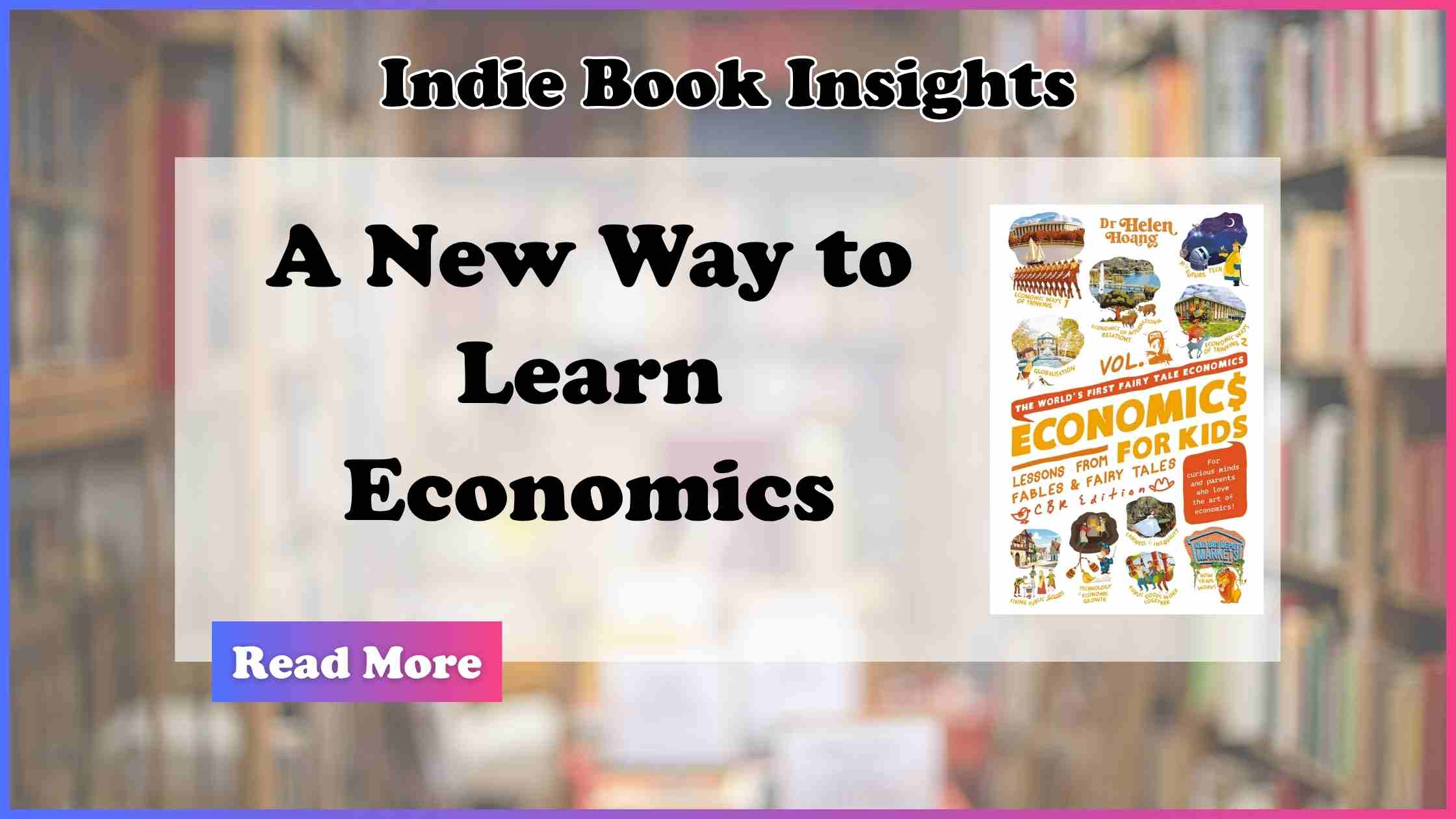
By weaving its principles into the familiar narratives of Aesop’s Fables and The Brothers Grimm, through stories like The Lion and the Mouse and The Sorcerer’s Apprentice, her book, Economics for Kids: Lessons from Aesop’s Fables and Fairy Tales (Volume II) serves as a backdrop for exploring trade, technological growth, and globalization. By doing so, the book presents economics as a practical tool for understanding everyday life.
Similar to the first, this second volume focuses on open economies and international relations. From the bustling Sunday markets at Old Bus Depot to Canberra’s iconic landmarks, every chapter places these economic lessons in real-world contexts.
What Sets This Book Apart?
Each chapter features Econ Kid, a curious boy, and Econ Mum, his knowledgeable guide, who embarks on adventures that reveal the principles shaping the world.
For example, The Bundle of Sticks demonstrates the power of collaboration and the importance of public goods like parks and libraries. Meanwhile, The Goose That Laid the Golden Eggs ties economic patience and sustainability to everyday decision-making. These lessons are paired with colorful illustrations by Long Hoang Kim, which bring the stories and Canberra’s landmarks to life.
Each chapter ends with discussion questions and takeaway messages that reinforce the material and encourage thoughtful conversation. These features transform the book into a dynamic resource for families and classrooms, making it an interactive learning experience.
The book covers a broad spectrum of economic topics, including:
Fairness and Inequality: Highlighted through Cinderella’s challenges and triumphs, showing the importance of equal opportunities and social support.
Global Trade and Comparative Advantage: Explained through The Lion and the Mouse, emphasizing how nations benefit from specialization and cooperation.
Technology and Economic Growth: Introduced via The Sorcerer’s Apprentice, illustrating how innovation drives productivity and societal progress.
Public Goods and Community Strength: Explored through The Bundle of Sticks, underscoring the value of collective effort and shared resources.
Each concept is presented in bite-sized, relatable portions, making even the most challenging ideas understandable to young readers. The stories encourage young minds to connect economic principles to their surroundings. They foster curiosity and responsible decision-making. For parents and educators, it provides a bridge to initiate meaningful conversations about money, trade, and sustainability in a way that resonates with children.
The book also ties its lessons to Canberra’s vibrant culture and landmarks, from the Australian National Botanic Gardens to the Parliament House. These local references root the stories in reality. This allows readers to see how economic principles shape the world around them.
Why Does This Book Matter?
Dr. Hoang’s mission is to inspire a love of learning and a deeper understanding of the world. Economics for Kids: Lessons from Aesop’s Fables and Fairy Tales, Volume II achieves this by making economics approachable and exciting. It is a unique and good book that empowers young readers with the tools to think critically, solve problems, and engage with the world in meaningful ways.
Whether you’re a parent, educator, or curious reader, this book offers something valuable for nurturing, fostering creativity, and instilling lessons that will serve children throughout their lives.
Are you ready to embark on an economic adventure with Econ Kid and Econ Mum?
Get your copy on Amazon: https://www.amazon.com/dp/1966840608