
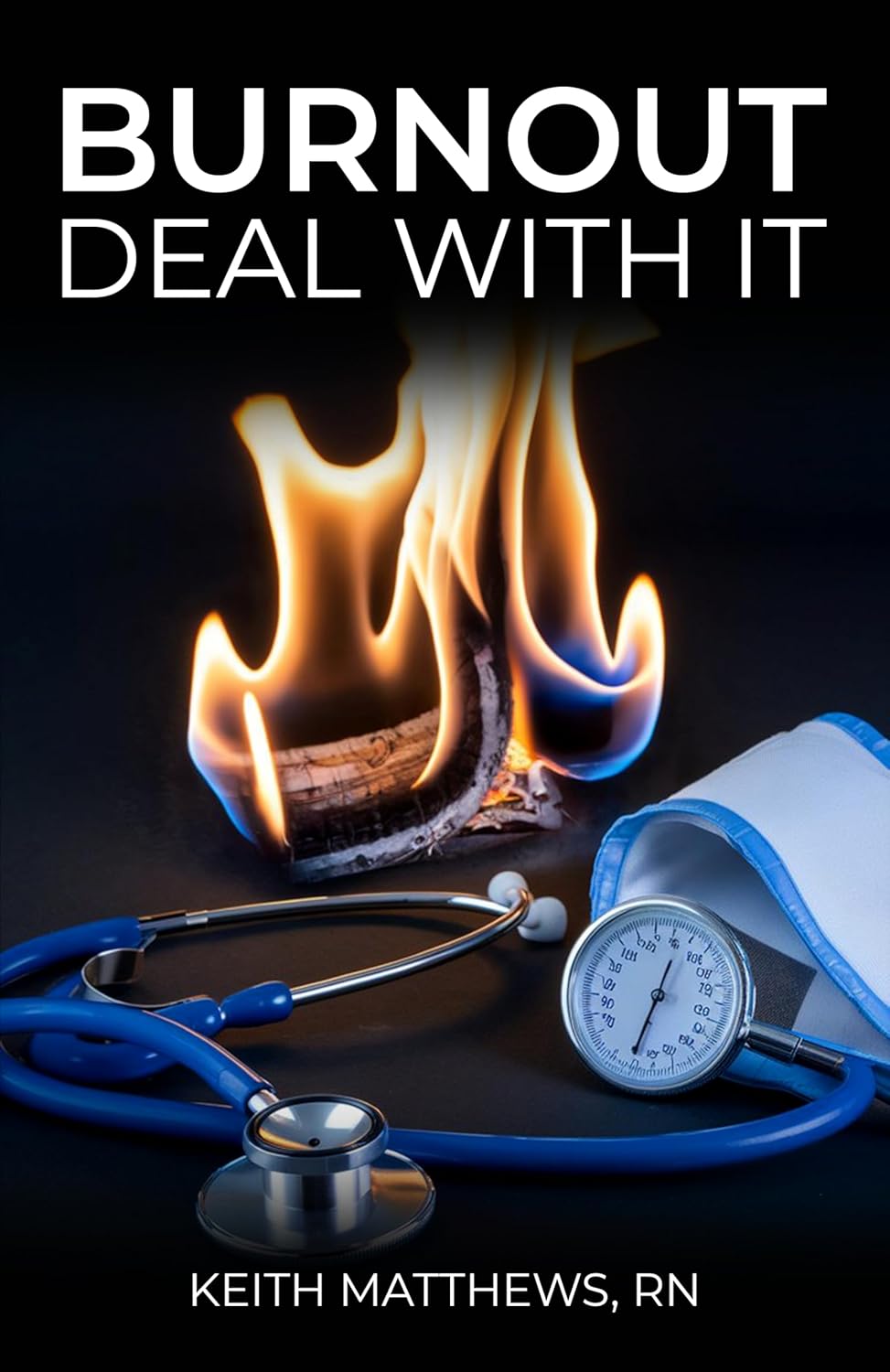
The term “burnout” has long been used to describe the exhaustion, stress, and emotional toll experienced by healthcare workers and first responders. However, as Keith Matthews argues in BURNOUT: Deal With It, this label is both inadequate and misleading. Instead, Matthews advocates for the term “moral injury,” which better captures the profound internal conflicts and systemic challenges faced by those in high-stakes professions. Redefining the problem is essential for developing effective solutions.
1. Why “Burnout” Falls Short
Burnout is often defined as physical and emotional exhaustion caused by prolonged stress. While this description addresses some symptoms, Matthews notes that it fails to encompass the deeper emotional wounds healthcare workers and first responders endure. He points out that burnout suggests personal weakness, which can lead to stigma and discourage individuals from seeking help.
For Matthews, the term moral injury more accurately reflects the struggle. It acknowledges the ethical and emotional challenges that arise when workers are unable to meet their professional ideals due to systemic limitations or uncontrollable circumstances.
2. Understanding Moral Injury
Moral injury occurs when individuals face situations that conflict with their core values or sense of purpose. For healthcare workers, this might mean feeling helpless in the face of a patient’s suffering or being forced to make decisions that compromise their ethical standards due to resource constraints.
Matthews shares stories of colleagues who, despite their best efforts, were unable to save lives or ease suffering. These moments leave lasting scars, often exacerbated by a lack of support and the pervasive “suck it up, buttercup” mentality.
3. Why Words Matter
Labeling these experiences as moral injury rather than burnout shifts the focus from individual shortcomings to systemic issues and ethical dilemmas. This change in perspective encourages a more compassionate approach to addressing the problem. It also validates the emotions of those affected, reducing stigma and promoting healing.
4. Redefining Resilience
To combat moral injury, Matthews emphasizes the need for systemic changes and individual strategies:
- Create Safe Spaces: Foster open dialogue and debriefing sessions to help professionals process difficult experiences.
- Acknowledge Limits: Recognize that not every outcome is within your control, and focus on what you did achieve.
- Support Each Other: Build a culture of empathy and vulnerability within teams to counteract feelings of isolation.
5. Moving Forward
By replacing “burnout” with “moral injury,” Matthews advocates for a shift in how we understand and address the struggles of healthcare workers and first responders. This new framework highlights the complexity of their challenges, paving the way for more effective support and solutions.
As Matthews reminds us, words have power. By choosing the right ones, we can redefine the conversation around stress and resilience, ultimately fostering a healthier, more sustainable future for those who dedicate their lives to helping others.