

Accountability is not something children naturally understand. It is something they develop over time through experience, reflection, and guidance. One of the most effective ways to teach this concept is by helping children see the clear connection between the choices they make and the consequences that follow.
Children often focus on impulsive desires rather than long term outcomes. They want to play instead of completing responsibilities, avoid effort when something feels difficult, or make decisions based on what feels good in the moment. Without guidance, they may not fully recognize how these choices impact their future experiences.
This is where the idea of choices and outcomes becomes essential. When children are allowed to experience the results of their decisions, they begin to understand responsibility in a meaningful way. Instead of being told what is right or wrong, they see it unfold in actual situations.
The key is to allow consequences to teach rather than relying solely on punishment. Natural consequences are especially effective because they are directly tied to the child’s actions. If a child chooses not to complete a task, they may miss out on something they enjoy later. This creates a clear and logical connection that is easier for them to understand.
It is important to guide children through these moments with calm and clarity. When a consequence occurs, the focus should not be on blame, but on reflection. Asking questions such as “What happened because of that choice?” or “What might you do differently next time?” encourages children to think critically about their actions.
Consistency also plays a major role. When expectations and consequences are predictable, children begin to recognize patterns. They learn that their choices matter and that results are not random. This builds a sense of control and responsibility over time.
Equally important is giving children the opportunity to make choices in the first place. Over controlling environments limit learning because children are not allowed to experience decision making. When children are given age appropriate choices, they begin to practice thinking through options and understanding outcomes.
Encouragement should focus on growth rather than excellence. When a child makes a better choice after learning from a mistake, it is important to recognize that effort. This emphasizes on the idea that accountability is not about being perfect, but about learning and improving.
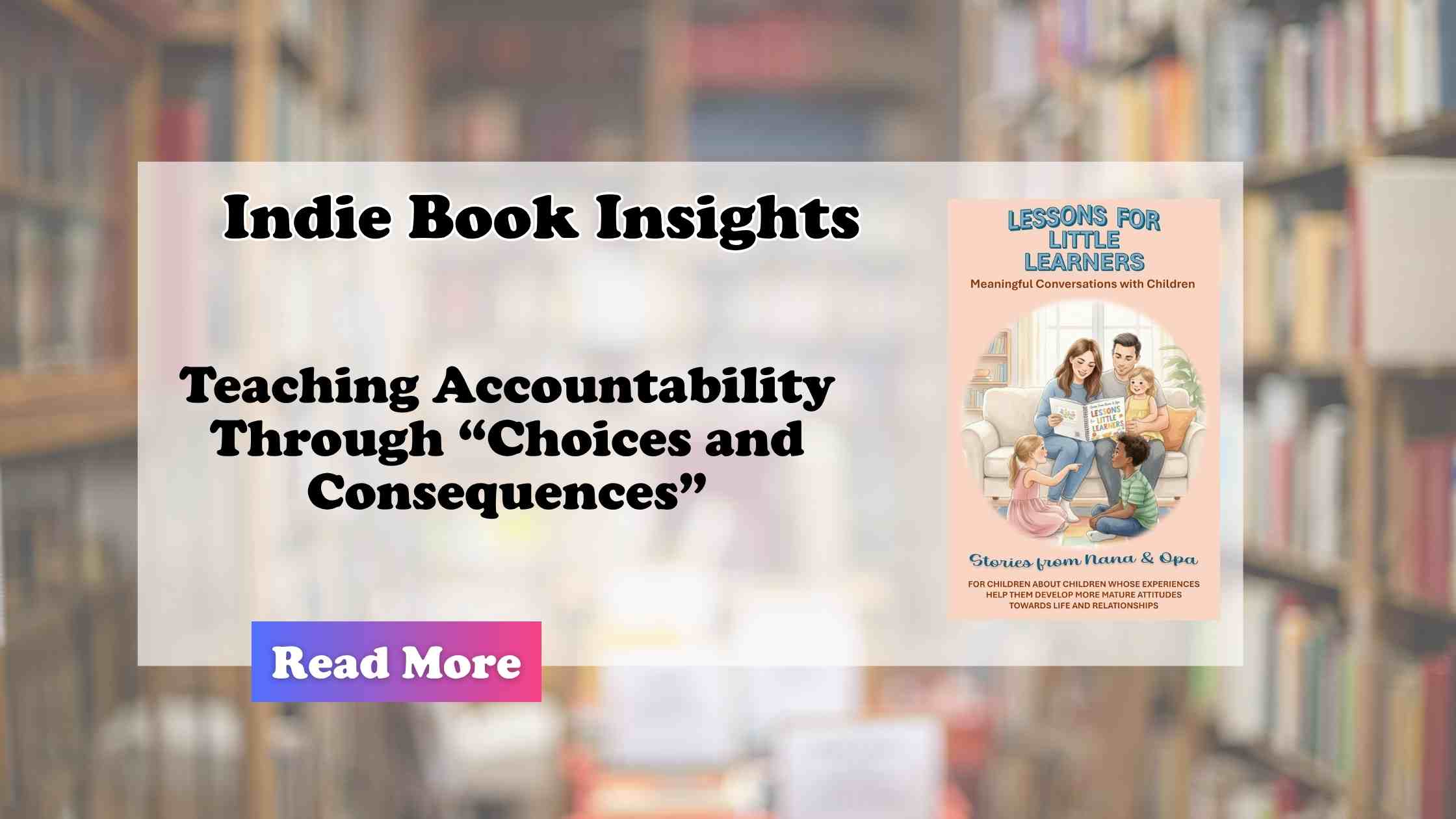
Stories provide a powerful way to reinforce these lessons. In Lessons for Little Learners: Meaningful Conversations with Children by Michele and Marv Wainschel, children encounter situations where characters face decisions and experience the results of those choices. These stories reflect real life scenarios, making the lessons relatable and easy to understand.
Discussion after reading strengthens this understanding. Questions that explore why a character made a certain choice or what they learned from the outcome help children connect the story to their own lives. This encourages deeper thinking and reinforces the link between actions and consequences.
Over time, children begin to apply these lessons independently. They start to pause, consider their options, and think about possible outcomes before acting. This shift marks the development of true accountability.
Teaching accountability is not about control or strict control. It is about helping children understand that their choices shape their experiences. When they are given the space to learn, supported with guidance, and encouraged to reflect, they develop a stronger sense of responsibility.
Lessons for Little Learners supports this process by turning everyday situations into meaningful learning moments. It helps children see that every choice carries weight and that with each decision, they have the opportunity to learn, grow, and do better next time.
Discover this book now, available on Amazon: https://www.amazon.com/dp/B0GPP13X5S/