
Cultural sensitivity plays a key role in providing effective healthcare to incarcerated individuals. As physicians, it is important to understand and respect diverse cultural perspectives as it is crucial for delivering quality care.
This blog will help you understand how physicians can approach cultural sensitivity in correctional settings, dealing with the challenges and developing better patient-physician relationships.
Understanding Diverse Cultural Perspectives:
One of the first steps in cultivating cultural sensitivity is acknowledging the diversity among incarcerated individuals. People from different cultural backgrounds, ethnicities, and belief systems are confined within correctional facilities.
It is important to recognize the differences that help physicians understand the unique needs of healthcare and diverse perspectives. It is crucial to understand that each cultural group has different health beliefs and preferences regarding medical treatment. For instance, some people prioritize holistic remedies, while others prefer conventional medicine. These differences can help physicians tailor approaches to meet the specific needs of each patient.
Strategies for Physicians in Correctional Settings:
Physicians can use several strategies to enhance communication and patient care. Firstly, active listening is important as it helps physicians to understand their concerns, beliefs, and preferences better.
Employing trained interpreters when language barriers exist is crucial. Effective communication is crucial in healthcare as it should never become a barrier to accessing medical care. Cultural competency training for healthcare professionals can also provide valuable insights into delivering culturally sensitive care.
Building Patient-Physician Relationships Across Cultural Boundaries:
It is important to establish trust with patients that can provide effective healthcare. Physicians can build trust by showing empathy, respect, and understanding towards patients’ cultural backgrounds. You should take enough time to learn about patients’ cultural norms, traditions, and values that help to develop connections.
The Role of Cultural Sensitivity in Correctional Healthcare:
Cultural sensitivity is not just a moral imperative but also fundamental to improving health outcomes in correctional settings. By embracing cultural diversity, physicians can enhance patient satisfaction, adherence to treatment plans, and overall well-being.
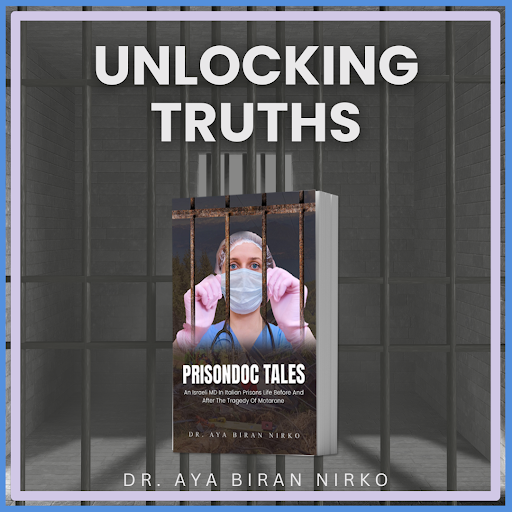
Cultural sensitivity is an essential aspect of providing quality healthcare in correctional settings. ‘Prisondoc Tales,‘ Dr. Aya Biran Nirko is a groundbreaking narrative that weaves together the elements of irony, sarcasm, and humor while maintaining an awareness that each tale lies the reality of genuine inmates and correctional institutes.
The author’s unique writing style captures the essence of her experiences, which provides readers with a vivid and authentic portrayal of life behind bars. The story takes an unexpected turn as it recounts the life-changing events of May 23, 2021. On that fateful day, a cable car accident on the mountain of Motarone in Northern Italy claimed the lives of 14 passengers, including the author’s brother Amit, sister-in-law Tal, and two-year-old nephew Tomi.
‘Prisondoc Tales,’ Dr. Aya Biran Nirko is more than just a narrative; it is a testament to resilience, strength, and the unpredictable nature of life. It’s time to cope with life’s challenges and harness the magic of personal narratives. Pre-order your copy from Amazon today!